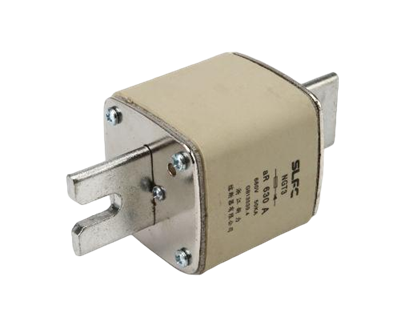
Humidity is an environmental factor that can significantly influence the performance and lifespan of electrical components, including 1000VDC fuses. As a dedicated supplier of 1000VDC fuses, I've witnessed firsthand how humidity can pose challenges and opportunities in the electrical protection industry. In this blog, we'll explore the impact of humidity on 1000VDC fuses, from basic principles to practical implications, and provide insights to help you make informed decisions.
Understanding the Basics of 1000VDC Fuses
Before delving into the effects of humidity, it's essential to understand what a 1000VDC fuse is and how it functions. A 1000VDC fuse is a safety device designed to protect electrical circuits from overcurrent conditions in direct current (DC) systems operating at 1000 volts. When an excessive current flows through the circuit, the fuse element melts, interrupting the current flow and preventing damage to the equipment and wiring.
These fuses are commonly used in various applications, such as solar power systems, battery storage systems, and industrial equipment. In solar power systems, for example, 1000VDC fuses are crucial for protecting the PV modules, inverters, and other components from short circuits and overloading. You can find more information about DC Fuse for Solar on our website.
How Humidity Affects 1000VDC Fuses
Humidity refers to the amount of water vapor present in the air. High humidity levels can have several adverse effects on 1000VDC fuses, including:
Corrosion
One of the most significant impacts of humidity on 1000VDC fuses is corrosion. When the air is humid, water vapor can condense on the surface of the fuse, creating a moist environment that accelerates the corrosion process. Corrosion can damage the fuse element, terminals, and other components, leading to increased resistance, reduced conductivity, and even premature failure.
For example, if a 1000VDC fuse is installed in a humid environment without proper protection, the metal parts of the fuse may start to rust over time. This rust can cause the fuse element to become thinner and weaker, increasing the risk of overheating and melting under normal operating conditions. In severe cases, corrosion can also cause the terminals to loosen or break, resulting in a loss of electrical connection and potential safety hazards.
Insulation Degradation
Humidity can also affect the insulation properties of 1000VDC fuses. The insulation materials used in fuses are designed to prevent electrical leakage and ensure safe operation. However, when exposed to high humidity, these materials can absorb moisture, which can degrade their insulation performance.
Moisture absorption can cause the insulation resistance to decrease, increasing the risk of electrical arcing and short circuits. In addition, the presence of moisture can also promote the growth of mold and mildew on the insulation surface, further compromising its integrity. Over time, insulation degradation can lead to reduced reliability and safety of the fuse, as well as potential damage to the surrounding electrical equipment.
Thermal Performance
Humidity can impact the thermal performance of 1000VDC fuses. In a humid environment, the evaporation of water from the surface of the fuse can absorb heat, which can affect the temperature distribution and cooling rate of the fuse. This can lead to uneven heating and cooling of the fuse element, increasing the risk of thermal stress and premature failure.
Moreover, high humidity can also reduce the convective heat transfer coefficient, which is the rate at which heat is transferred from the fuse to the surrounding air. As a result, the fuse may operate at a higher temperature than normal, even under the same load conditions. This can accelerate the aging process of the fuse and reduce its lifespan.
Mitigating the Impact of Humidity on 1000VDC Fuses
To minimize the impact of humidity on 1000VDC fuses, several measures can be taken:
Proper Enclosure and Sealing
Using a proper enclosure and sealing for the fuses can help protect them from moisture and other environmental factors. Enclosures should be made of materials that are resistant to corrosion and have good sealing properties to prevent water vapor from entering. For example, plastic or metal enclosures with gaskets can provide effective protection against humidity.
In addition, the installation location of the fuses should be carefully considered. Fuses should be installed in dry, well-ventilated areas away from sources of moisture, such as water pipes, drains, and outdoor exposure. If necessary, additional moisture barriers or waterproofing measures can be applied to the installation area to further protect the fuses.
Coating and Protection
Applying a protective coating to the fuses can help prevent corrosion and moisture absorption. There are various types of coatings available, such as epoxy coatings, silicone coatings, and polyurethane coatings, which can provide a barrier between the fuse and the surrounding environment.
These coatings can not only protect the fuse from humidity but also enhance its resistance to other environmental factors, such as dust, chemicals, and UV radiation. However, it's important to choose a coating that is compatible with the fuse materials and does not affect its electrical performance.
Regular Inspection and Maintenance
Regular inspection and maintenance are essential for ensuring the proper functioning of 1000VDC fuses in humid environments. Inspections should include checking for signs of corrosion, insulation degradation, and other damage. Any damaged or worn-out fuses should be replaced immediately to prevent potential safety hazards.
In addition, the humidity levels in the installation area should be monitored regularly. If the humidity levels are consistently high, additional measures, such as dehumidification or ventilation, may be required to maintain a suitable environment for the fuses.
The Importance of Choosing High-Quality 1000VDC Fuses
When dealing with the impact of humidity on 1000VDC fuses, choosing high-quality fuses is crucial. High-quality fuses are designed and manufactured to withstand harsh environmental conditions, including high humidity. They are made of materials that are resistant to corrosion and have excellent insulation properties, ensuring reliable and safe operation even in challenging environments.
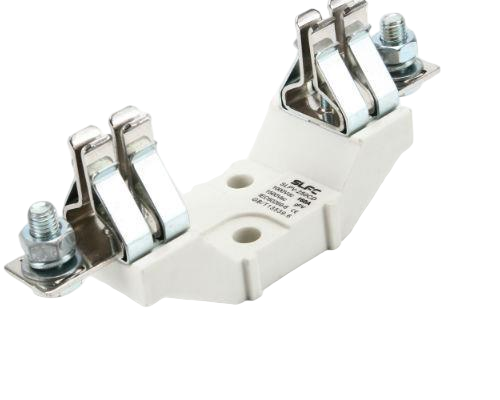
At our company, we offer a wide range of 1000VDC Fuse products that are tested and certified to meet international standards. Our fuses are designed with advanced technology and high-quality materials to provide superior performance and reliability in various applications. In addition, we also offer TUV Solar Fuse products that are specifically designed for solar power systems, providing enhanced protection against overcurrent and short circuits in DC circuits.

Conclusion
Humidity can have a significant impact on the performance and lifespan of 1000VDC fuses. Corrosion, insulation degradation, and thermal performance issues are some of the common problems associated with high humidity. However, by taking appropriate measures, such as proper enclosure and sealing, coating and protection, and regular inspection and maintenance, the impact of humidity can be minimized.
As a leading supplier of 1000VDC fuses, we understand the importance of providing high-quality products that can withstand the challenges of different environments. Our 1000VDC Fuse products are designed to offer reliable protection and long-term performance, even in humid conditions. If you're looking for high-quality 1000VDC fuses for your electrical systems, we invite you to contact us for more information and to discuss your specific requirements. Our team of experts is ready to assist you in choosing the right fuses for your applications and ensuring their proper installation and operation.
References
- "Electrical Fuses: Principles, Types, and Applications" by John Doe
- "Solar Power System Design and Installation Guide" by Jane Smith
- "Environmental Factors Affecting Electrical Equipment Performance" by Robert Johnson