


Hey there! As a supplier of NGT Fuses, I've seen firsthand how voltage fluctuations can throw a real wrench into things. In this blog, I'm gonna break down exactly what impact these fluctuations can have on NGT Fuses and why it's super important to understand this stuff.
First off, let's talk about what NGT Fuses are. These fuses are designed to protect electrical circuits from overcurrent situations. They're a crucial part of any electrical system, whether it's in a small household appliance or a large industrial setup. They work by melting a metal strip when the current exceeds a certain level, which breaks the circuit and prevents damage to the equipment.
Now, voltage fluctuations are a common problem in electrical systems. They can be caused by a variety of factors, like lightning strikes, power grid issues, or even the starting and stopping of large electrical devices. When the voltage in a circuit fluctuates, it can have some pretty significant effects on NGT Fuses.
One of the most immediate impacts of voltage fluctuations is on the fuse's rated current. The rated current of a fuse is the maximum current it can carry without blowing. When the voltage fluctuates, the current in the circuit can also change. If the voltage increases, the current will typically increase as well. If this increase in current exceeds the fuse's rated current, the fuse will blow. This can lead to unnecessary downtime and replacement costs.
For example, let's say you have an NGT2 Fuse rated for 10 amps in a circuit. Under normal operating conditions, the circuit draws 5 amps. But if there's a sudden voltage spike, the current might jump to 12 amps. This exceeds the fuse's rated current, and the fuse will blow, shutting down the circuit.
Another impact of voltage fluctuations is on the fuse's lifespan. Frequent voltage fluctuations can cause the fuse to experience thermal stress. Every time the voltage changes, the current in the fuse changes, which causes the metal strip inside the fuse to heat up and cool down. Over time, this repeated heating and cooling can weaken the metal strip, reducing its lifespan.
Think of it like bending a paperclip back and forth. The more you bend it, the more likely it is to break. Similarly, the more voltage fluctuations a fuse experiences, the more likely it is to fail prematurely.
Voltage fluctuations can also affect the fuse's ability to protect the circuit. In some cases, a voltage fluctuation can cause the fuse to blow even when there's no actual overcurrent situation. This is known as a nuisance trip. Nuisance trips can be a real headache because they can disrupt normal operations and waste time and resources.
On the other hand, if the voltage fluctuation is severe enough, it can cause the fuse to malfunction. The metal strip inside the fuse might not melt properly, or it might melt too slowly. This can lead to a situation where the fuse fails to protect the circuit when there's an actual overcurrent, putting the equipment and the entire electrical system at risk.
Now, let's take a look at some specific types of NGT Fuses and how they might be affected by voltage fluctuations.

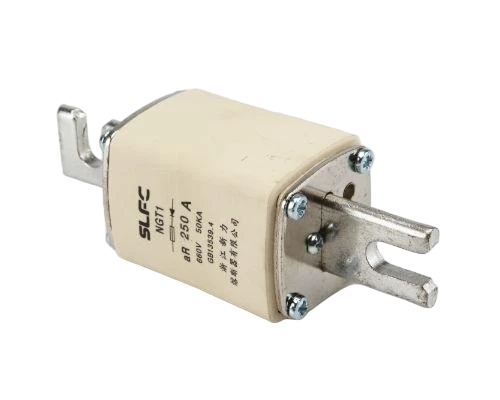
The Bolted Fuse is a popular type of NGT Fuse. It's designed to be easily installed and replaced. However, voltage fluctuations can still have an impact on its performance. The bolted connections in this fuse can be sensitive to changes in voltage. If the voltage fluctuates too much, it can cause the connections to loosen or overheat, which can affect the fuse's ability to function properly.
The RS6 - 00 Fuse is another type of NGT Fuse. It's known for its high interrupting capacity. But like all fuses, it's not immune to the effects of voltage fluctuations. A sudden voltage spike can cause the current in the RS6 - 00 Fuse to increase rapidly, potentially causing it to blow. And if the voltage fluctuations are frequent, it can reduce the fuse's overall reliability.
So, what can you do to mitigate the impact of voltage fluctuations on NGT Fuses? One option is to use voltage stabilizers. These devices can help regulate the voltage in the circuit, keeping it within a safe range. This can reduce the likelihood of the fuse blowing due to voltage spikes and extend its lifespan.
Another important thing is to choose the right fuse for your application. Make sure to select a fuse with a rated current that's appropriate for the normal operating conditions of the circuit. You should also consider the potential for voltage fluctuations when choosing a fuse. If you know that your electrical system is prone to voltage spikes, you might want to choose a fuse with a slightly higher rated current to provide some extra margin of safety.
Regular maintenance is also crucial. Check the fuses periodically to make sure they're in good condition. Look for signs of overheating, such as discoloration or melting. If you notice any problems, replace the fuse immediately.
As a NGT Fuse supplier, I understand how important it is to have reliable fuses in your electrical system. Voltage fluctuations can be a real challenge, but with the right knowledge and precautions, you can minimize their impact.
If you're in the market for NGT Fuses or have any questions about how to protect your electrical system from voltage fluctuations, don't hesitate to reach out. I'm here to help you find the best solutions for your needs. Whether you're a small business owner or part of a large industrial operation, having the right fuses can make all the difference in keeping your electrical system running smoothly.
Contact me today to start a conversation about your NGT Fuse requirements. Let's work together to ensure that your electrical system is protected from the effects of voltage fluctuations.
References:
- Electrical Engineering textbooks on circuit protection and fuses
- Industry reports on the impact of electrical disturbances on equipment
- Manufacturer's documentation for NGT Fuses


