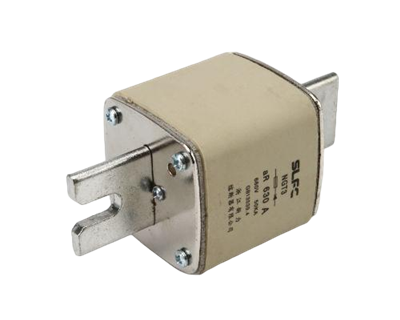
As a seasoned supplier of EV Fuse Links, I've witnessed firsthand the rapid evolution of electric vehicle (EV) technology. One of the most frequently asked questions in the industry revolves around the installation position of an EV Fuse Link in an electric vehicle. In this blog post, I'll delve into this topic, exploring the science behind it and providing practical insights based on my years of experience.
Understanding the Role of EV Fuse Links
Before we discuss the installation position, it's crucial to understand what an EV Fuse Link does. An EV Fuse Link is a safety device designed to protect the electrical system of an electric vehicle from overcurrent conditions. When the current flowing through the circuit exceeds a predetermined value, the fuse link melts, breaking the circuit and preventing damage to the vehicle's electrical components.
Our Electric Vehicle Fuse Link is engineered to meet the highest standards of safety and reliability. It is specifically designed to handle the high currents and voltages found in modern electric vehicles, ensuring optimal performance and protection.
Factors Influencing the Installation Position
Several factors influence the installation position of an EV Fuse Link in an electric vehicle. These include:
1. Proximity to the Power Source
The fuse link should be installed as close as possible to the power source, such as the battery pack. This ensures that it can quickly detect and interrupt any overcurrent conditions before they reach the rest of the electrical system. By placing the fuse link near the power source, we can minimize the length of the high-current circuit, reducing the risk of electrical arcing and fire.
2. Accessibility for Maintenance
The installation position should also consider accessibility for maintenance and replacement. In the event of a blown fuse, it's important to be able to quickly and easily access the fuse link without having to disassemble large parts of the vehicle. This reduces downtime and ensures that the vehicle can be back on the road as soon as possible.
3. Protection from Environmental Factors
EV Fuse Links should be installed in a location that protects them from environmental factors such as moisture, heat, and vibration. Exposure to these elements can degrade the performance of the fuse link over time, increasing the risk of failure. By choosing a suitable installation location, we can ensure that the fuse link remains reliable and effective throughout the vehicle's lifespan.
4. Compatibility with Other Components
The installation position should also take into account the compatibility of the fuse link with other components in the electrical system. For example, the fuse link should be installed in a location that does not interfere with the operation of other electrical devices or wiring harnesses. Additionally, the fuse link should be properly rated for the specific application, taking into account the voltage, current, and temperature requirements of the circuit.
Common Installation Positions
Based on these factors, there are several common installation positions for EV Fuse Links in electric vehicles:
1. Battery Pack
One of the most common installation positions for an EV Fuse Link is within the battery pack itself. This location provides the closest proximity to the power source, allowing the fuse link to quickly detect and interrupt any overcurrent conditions. Additionally, the battery pack is typically designed to protect the fuse link from environmental factors, providing a safe and reliable installation environment.
2. Power Distribution Unit (PDU)
Another common installation position is within the Power Distribution Unit (PDU). The PDU is responsible for distributing electrical power from the battery pack to various components in the vehicle, such as the electric motor, inverter, and charging system. By installing the fuse link in the PDU, we can protect the entire electrical system from overcurrent conditions.
3. Inline with High-Current Circuits
In some cases, the fuse link may be installed inline with high-current circuits, such as the main power cable between the battery pack and the electric motor. This location allows the fuse link to directly monitor the current flowing through the circuit, providing an additional layer of protection.
Special Considerations for Different Types of EVs
The installation position of an EV Fuse Link may also vary depending on the type of electric vehicle. For example:
1. Battery Electric Vehicles (BEVs)
In BEVs, the battery pack is the primary power source, and the fuse link is typically installed within the battery pack or the PDU. This ensures that the entire electrical system is protected from overcurrent conditions.
2. Hybrid Electric Vehicles (HEVs)
In HEVs, which combine an internal combustion engine with an electric motor, the fuse link may be installed in multiple locations. In addition to the battery pack and PDU, the fuse link may also be installed in the inverter or the charging system to protect these components from overcurrent conditions.
3. Plug-in Hybrid Electric Vehicles (PHEVs)
PHEVs are similar to HEVs but have a larger battery pack that can be charged from an external power source. The installation position of the fuse link in PHEVs is similar to that of BEVs and HEVs, with the fuse link typically installed within the battery pack, PDU, or charging system.
Importance of Proper Installation
Proper installation of the EV Fuse Link is crucial for ensuring the safety and reliability of the electric vehicle. A poorly installed fuse link can lead to a variety of problems, including:
1. Electrical Failures
If the fuse link is not installed correctly, it may not be able to detect and interrupt overcurrent conditions effectively. This can lead to electrical failures, damage to the vehicle's electrical components, and even fire.
2. Inadequate Protection
An incorrectly installed fuse link may not provide adequate protection for the electrical system. For example, if the fuse link is installed too far from the power source, it may not be able to detect overcurrent conditions quickly enough, increasing the risk of damage to the electrical components.
3. Safety Hazards
A blown fuse link can pose a safety hazard if it is not replaced promptly. In some cases, a blown fuse link can cause the vehicle to lose power suddenly, increasing the risk of an accident.


Conclusion
In conclusion, the installation position of an EV Fuse Link in an electric vehicle is a critical factor that can significantly impact the safety and reliability of the vehicle. By considering factors such as proximity to the power source, accessibility for maintenance, protection from environmental factors, and compatibility with other components, we can ensure that the fuse link is installed in the optimal location.
As a leading supplier of Electric Vehicle Fuse Link, we are committed to providing our customers with high-quality products and expert advice on installation and maintenance. If you have any questions or need assistance with choosing the right EV Fuse Link for your application, please don't hesitate to contact us. We look forward to discussing your requirements and helping you find the best solution for your electric vehicle.
References
- "Electric Vehicle Electrical Systems: Design and Analysis" by Ali Emadi
- "Automotive Electrical and Electronic Systems" by Robert Bosch GmbH
- "Fuses for Electric Vehicles: A Technical Overview" by the International Electrotechnical Commission (IEC)