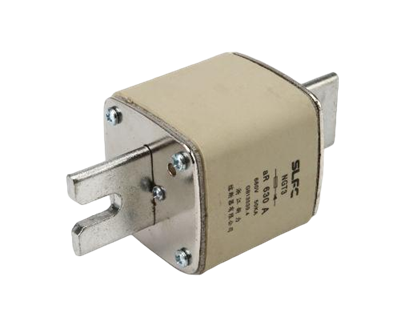
In the realm of electrical safety and circuit protection, NT fuse holders play a crucial role. As a trusted supplier of NT fuse holders, I am often asked about the materials used in their construction. Understanding the materials of an NT fuse holder is essential for ensuring its performance, durability, and compatibility with different electrical systems. In this blog post, I will delve into the various materials commonly used in NT fuse holders, their properties, and how they contribute to the overall functionality of these vital components.
The Importance of NT Fuse Holders
Before we explore the materials, let's briefly understand the significance of NT fuse holders. NT fuses are designed to protect electrical circuits from overcurrent conditions, such as short circuits and overloads. The fuse holder provides a secure and reliable housing for the fuse, ensuring proper electrical contact and preventing accidental disconnection. It also serves as a barrier between the live electrical components and the surrounding environment, reducing the risk of electrical shock and fire.
Common Materials Used in NT Fuse Holders
1. Thermoplastics
Thermoplastics are widely used in the manufacturing of NT fuse holders due to their excellent electrical insulation properties, mechanical strength, and ease of processing. Some of the commonly used thermoplastics include:
- Polycarbonate (PC): Polycarbonate is a high-performance thermoplastic known for its transparency, impact resistance, and flame retardancy. It can withstand high temperatures and has good dimensional stability, making it suitable for use in demanding electrical applications. NT fuse holders made from polycarbonate offer excellent protection against electrical arcing and are resistant to chemicals and environmental factors.
- Polyamide (PA): Polyamide, also known as nylon, is a versatile thermoplastic with high strength, toughness, and abrasion resistance. It has good electrical insulation properties and can operate at elevated temperatures. PA is often used in the construction of NT fuse holders that require high mechanical strength and resistance to wear and tear.
- Polyphenylene Sulfide (PPS): PPS is a high-temperature thermoplastic with excellent chemical resistance, dimensional stability, and electrical insulation properties. It can withstand continuous use at temperatures up to 200°C and is highly resistant to flame and tracking. NT fuse holders made from PPS are suitable for use in harsh environments where high temperatures and chemical exposure are common.
2. Ceramics
Ceramics are another important material used in NT fuse holders, especially for applications that require high-temperature resistance and excellent electrical insulation. Ceramics have a high melting point, low thermal expansion coefficient, and good mechanical strength, making them ideal for use in high-power electrical circuits. Some of the commonly used ceramics in NT fuse holders include:
- Alumina (Al₂O₃): Alumina is a widely used ceramic material known for its high thermal conductivity, electrical insulation, and mechanical strength. It can withstand temperatures up to 1600°C and is resistant to chemical corrosion. NT fuse holders made from alumina are often used in high-voltage applications where high-temperature resistance and electrical insulation are critical.
- Steatite (MgSiO₃): Steatite is a type of ceramic material with good electrical insulation properties and low dielectric loss. It has a relatively low cost and is easy to machine, making it a popular choice for NT fuse holders in medium-voltage applications.
3. Metals
Metals are used in NT fuse holders primarily for their electrical conductivity and mechanical strength. Some of the commonly used metals include:
- Copper (Cu): Copper is a highly conductive metal with excellent electrical and thermal properties. It is widely used in the electrical industry for its low resistance and high current-carrying capacity. In NT fuse holders, copper is used for the contacts and terminals to ensure good electrical connection and efficient heat dissipation.
- Brass: Brass is an alloy of copper and zinc with good mechanical strength, corrosion resistance, and electrical conductivity. It is often used in the construction of NT fuse holders for its aesthetic appeal and ease of machining. Brass contacts and terminals provide reliable electrical connection and are resistant to oxidation and corrosion.
- Stainless Steel: Stainless steel is a corrosion-resistant alloy with high strength and durability. It is used in NT fuse holders that require resistance to harsh environments and chemical exposure. Stainless steel components provide long-term reliability and can withstand high temperatures and mechanical stress.
Factors Affecting Material Selection
The choice of material for an NT fuse holder depends on several factors, including:


- Electrical Requirements: The electrical properties of the material, such as insulation resistance, dielectric strength, and conductivity, are crucial for ensuring proper performance of the fuse holder. The material should be able to withstand the rated voltage and current of the electrical circuit without breakdown or excessive heating.
- Mechanical Requirements: The mechanical strength and durability of the material are important for ensuring the structural integrity of the fuse holder. The material should be able to withstand the mechanical stress and vibration associated with normal operation and installation.
- Temperature Requirements: The operating temperature range of the electrical circuit determines the temperature resistance of the material. The material should be able to maintain its mechanical and electrical properties at the expected operating temperatures without degradation or deformation.
- Environmental Requirements: The environmental conditions, such as humidity, chemical exposure, and dust, can affect the performance and lifespan of the fuse holder. The material should be resistant to corrosion, moisture, and other environmental factors to ensure long-term reliability.
- Cost: The cost of the material is also an important consideration, especially for large-scale production. The material should provide a good balance between performance and cost to meet the requirements of the application.
Our NT Fuse Holders
As a leading supplier of NT fuse holders, we offer a wide range of products made from high-quality materials to meet the diverse needs of our customers. Our NT fuse holders are designed and manufactured to the highest standards of quality and reliability, ensuring optimal performance in various electrical applications. We use advanced manufacturing techniques and strict quality control measures to ensure that our products meet or exceed the industry standards.
In addition to our standard NT fuse holders, we also offer customized solutions to meet the specific requirements of our customers. Our experienced engineering team can work with you to design and develop NT fuse holders that are tailored to your unique application needs. Whether you need a fuse holder with specific dimensions, materials, or electrical properties, we can provide you with a solution that meets your exact specifications.
Related Products
If you are interested in other types of fuse holders, we also offer NH Fuse Holder and RT Fuse Holder. These products are designed to provide reliable circuit protection in different electrical systems. We also have NT Fuse Base available, which is an essential component for NT fuses.
Contact Us for Procurement
If you are looking for high-quality NT fuse holders or need more information about our products, please do not hesitate to contact us. Our sales team is ready to assist you with your procurement needs and provide you with professional advice and support. We are committed to providing our customers with the best products and services at competitive prices. Let's work together to ensure the safety and reliability of your electrical systems.
References
- "Electrical Engineering Handbook", Third Edition, edited by Richard C. Dorf
- "Plastics in Electrical and Electronic Applications", Second Edition, edited by John Murphy
- "Ceramics: Structure, Properties, Processing, and Applications", edited by Jörg Rodel and Robert R. Tummala