


The price range of TUV Solar Fuses can vary significantly based on multiple factors. As a supplier of TUV Solar Fuses, I've had in - depth experience in understanding the market dynamics that influence these prices.
Factors Affecting the Price of TUV Solar Fuses
1. Current Rating
One of the most crucial factors determining the price of a TUV Solar Fuse is its current rating. TUV Solar Fuses are available in a wide range of current ratings, from a few amperes to several hundred amperes. Fuses with higher current ratings generally cost more. This is because they need to handle larger electrical currents safely. To handle high - current situations, these fuses require more robust materials and advanced manufacturing processes. For example, a TUV Solar Fuse with a current rating of 10A might be less expensive compared to a 50A or 100A fuse. The higher - rated fuses need to have thicker conductors and better heat - dissipation capabilities to prevent overheating and ensure reliable operation.
2. Voltage Rating
Similar to current ratings, the voltage rating of a TUV Solar Fuse also impacts its price. Solar power systems can operate at different voltage levels, and the fuses used must be rated to handle these voltages safely. Fuses designed for higher voltage applications are more expensive. They need to have better insulation and dielectric properties to prevent electrical arcing. A TUV Solar Fuse rated for a low - voltage system, say 12V or 24V, will be less costly than one rated for a high - voltage system such as 600V or 1000V.

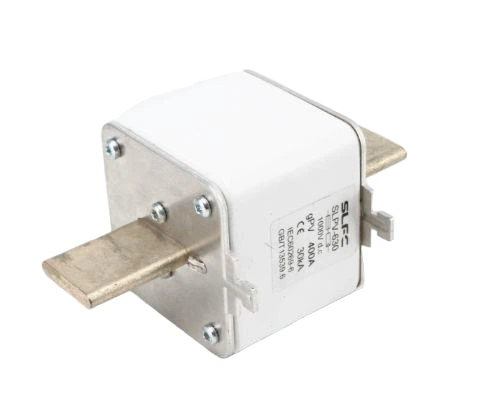
3. Breaking Capacity
The breaking capacity of a fuse refers to its ability to interrupt a circuit safely in the event of a short - circuit. TUV Solar Fuses with a higher breaking capacity are more expensive. In solar power systems, short - circuits can occur due to various reasons such as wiring faults or component failures. A fuse with a high breaking capacity can quickly and safely interrupt the circuit, protecting the entire solar installation from damage. Fuses with a lower breaking capacity may not be able to handle large short - circuit currents effectively, which can lead to more severe damage to the system.
4. Brand and Quality
Well - known brands in the solar fuse market often charge a premium for their products. These brands have a reputation for quality, reliability, and compliance with international standards. They invest heavily in research and development, manufacturing processes, and quality control. A TUV Solar Fuse from a leading brand is likely to have better performance, longer lifespan, and more consistent characteristics compared to a fuse from an unknown or generic brand. However, this also means that the price of these branded fuses will be higher.
5. Quantity of Purchase
The quantity of TUV Solar Fuses you purchase can also affect the unit price. When buying in bulk, suppliers usually offer volume discounts. This is because the cost of production, packaging, and shipping can be spread over a larger number of units. For small - scale solar installations or individual users, the unit price per fuse may be relatively high. On the other hand, large - scale solar power projects that require hundreds or thousands of fuses can negotiate better prices with suppliers.
Price Range Analysis
Based on the above factors, the price range of TUV Solar Fuses can be quite broad.
For basic, low - current (e.g., 5 - 10A) and low - voltage (e.g., 12V - 24V) TUV Solar Fuses, the unit price can range from a few dollars to around $10. These fuses are often used in small - scale solar applications such as solar - powered garden lights or small off - grid solar systems.
Mid - range TUV Solar Fuses with current ratings between 15A - 50A and voltage ratings of 250V - 600V can cost between $10 and $50 per unit. These fuses are commonly used in residential solar power systems. They offer a good balance between performance and cost, suitable for most home solar installations.
High - end TUV Solar Fuses, with high current ratings (above 50A) and high voltage ratings (above 600V), can cost anywhere from $50 to several hundred dollars per unit. These fuses are used in large - scale commercial and utility - scale solar power plants. They need to meet strict safety and performance requirements and are often custom - designed for specific applications.
Related Products and Their Influence on Price
It's important to note that TUV Solar Fuses are often used in conjunction with other solar - related products such as Solar Fuse Clip and DC Fuse for Solar. The choice of these related products can also have an impact on the overall cost of the solar power system.
Solar Fuse Clips are used to hold the fuses in place and provide a secure electrical connection. The quality and type of solar fuse clips can vary, and this can affect their price. High - quality fuse clips that are made of durable materials and have good electrical conductivity may be more expensive, but they can also enhance the overall reliability of the fuse installation.
DC Fuses for Solar are similar to TUV Solar Fuses but may have different specifications or certifications. The price of DC fuses for solar can also vary based on factors such as current rating, voltage rating, and breaking capacity. In some cases, using a combination of different types of fuses and related products can optimize the cost - effectiveness of the solar power system.
Market Trends and Future Price Outlook
The market for TUV Solar Fuses is constantly evolving. As the solar power industry continues to grow, the demand for high - quality TUV Solar Fuses is increasing. This may lead to more competition among suppliers, which could potentially drive down prices in the long run. However, the increasing complexity of solar power systems and the need for higher - performance fuses may also offset this price - reducing effect.
Technological advancements in fuse manufacturing are also likely to have an impact on prices. New materials and manufacturing processes may make it possible to produce TUV Solar Fuses more efficiently, which could lead to cost savings. On the other hand, the development of fuses with enhanced features such as smart fuses that can monitor and protect the solar system in real - time may command a higher price.
Why Choose Our TUV Solar Fuses
As a supplier of TUV Solar Fuse, we offer a wide range of fuses to meet the diverse needs of our customers. Our fuses are manufactured to the highest quality standards and are TUV - certified, ensuring their reliability and safety. We have a team of experts who can provide technical support and advice to help you choose the right fuse for your solar power system.
We understand that cost is an important factor for our customers. That's why we strive to offer competitive prices without compromising on quality. Whether you are a small - scale solar installer or a large - scale solar project developer, we can provide you with the right TUV Solar Fuses at a reasonable price.
Contact Us for Purchase and Negotiation
If you are interested in purchasing TUV Solar Fuses or have any questions about our products, we encourage you to contact us. We are more than happy to discuss your specific requirements and provide you with a detailed quote. Our sales team is experienced in working with customers from different sectors of the solar industry and can offer you the best solutions for your solar power system needs.
References
- "Solar Power System Design and Installation Handbook"
- Industry reports on solar power components and market trends


