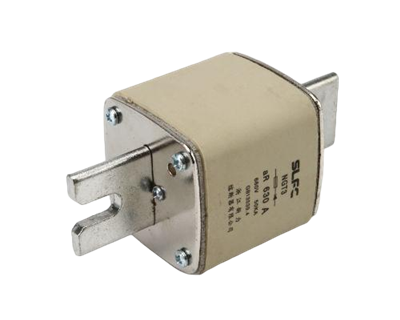
Hey there! As a supplier of TUV Solar Fuses, I often get asked about the rated current of these fuses. So, I thought I'd take a moment to break it down for you.
First off, let's talk about what a TUV Solar Fuse is. TUV is a well - known certification body, and a TUV Solar Fuse is a fuse that has passed the strict TUV standards for use in solar power systems. These fuses are designed to protect the electrical components in a solar installation from over - current situations.
The rated current of a TUV Solar Fuse is a crucial specification. It's basically the maximum amount of current that the fuse can carry continuously without blowing. Think of it like a traffic cop controlling the flow of electricity. If the current in the circuit stays below the rated current, the fuse will just sit there, doing its job quietly. But if the current exceeds the rated value, the fuse will "blow" or break the circuit, protecting the rest of the system from damage.
Now, how do we determine the right rated current for a TUV Solar Fuse in a solar system? Well, it depends on a few factors.
System Voltage
The voltage of the solar power system plays a big role. Most modern solar systems operate at high voltages, like 1000VDC. For a 1000VDC Fuse, the rated current needs to be carefully selected based on the overall power output of the system. Higher voltage systems can handle more power, but the fuse still needs to be able to handle the current without tripping under normal operating conditions.
Solar Panel Output
The number and type of solar panels in the system also affect the rated current. Each solar panel has a certain current output, usually measured in amperes (A). When you connect multiple panels in series or parallel, the total current in the circuit changes. For example, if you have a bunch of panels connected in parallel, the current will add up. So, you need to calculate the total expected current from all the panels and then choose a TUV Solar Fuse with a rated current that can handle that load.
Load Requirements
The electrical load connected to the solar system is another factor. If you're powering small devices, like LED lights or a small inverter, the current demand will be relatively low. But if you're running larger equipment, such as a big air - conditioning unit or a water pump, the current requirements will be much higher. You need to make sure the rated current of the TUV Solar Fuse is sufficient to handle the peak load of the connected devices.
Let's look at some common rated current values for TUV Solar Fuses. They typically come in a range of values, starting from a few amperes up to several hundred amperes. For small - scale residential solar systems, fuses with rated currents of 10A - 30A might be sufficient. These systems usually power basic household appliances and lighting.
On the other hand, large - scale commercial or industrial solar installations may require fuses with rated currents of 100A or more. These systems can power entire factories or large office buildings.
It's also important to note that there are different types of TUV Solar Fuses, each with its own characteristics. Some fuses are designed for fast - acting protection, which means they will blow quickly when the current exceeds the rated value. This is useful in situations where a sudden surge in current could cause immediate damage to the system. Other fuses are slow - acting, which can tolerate short - term over - currents without blowing. These are often used in systems where there are normal, temporary spikes in current, like when a motor starts up.
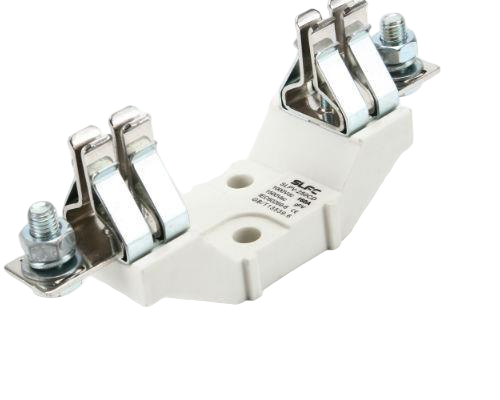
When it comes to installing TUV Solar Fuses, you'll often need a Solar Fuse Clip. This clip holds the fuse securely in place and provides a good electrical connection. It's a simple but essential component in the overall solar power system.
As a supplier of TUV Solar Fuses, I've seen firsthand how important it is to choose the right rated current. A fuse with a rated current that's too low will blow frequently, causing unnecessary downtime and maintenance. On the other hand, a fuse with a rated current that's too high won't provide adequate protection in case of an over - current situation.
So, if you're in the process of setting up a solar power system or need to replace a fuse in an existing system, it's crucial to do your research and calculate the correct rated current. You can consult with a professional electrician or a solar system designer to get accurate advice.
In conclusion, the rated current of a TUV Solar Fuse is a key factor in ensuring the safety and efficiency of your solar power system. By understanding the factors that affect the rated current and choosing the right fuse for your specific needs, you can protect your investment and keep your solar system running smoothly.

If you're interested in purchasing TUV Solar Fuses or have any questions about the rated current or other specifications, feel free to reach out. We're here to help you make the best choice for your solar power system. Whether you're a homeowner looking to go solar or a large - scale solar installer, we've got the products and expertise to meet your requirements. Let's have a chat and see how we can work together to make your solar project a success.
References
- Solar Power System Design Manuals
- TUV Certification Standards for Solar Fuses
- Electrical Engineering Textbooks on Power Systems and Fuse Selection