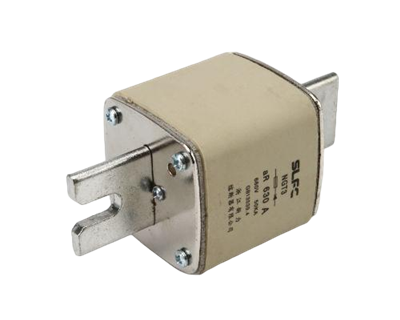
As a trusted supplier of RT14 Fuses, I am often asked about the thermal stability of these crucial electrical components. In this blog post, I will delve into the concept of thermal stability, its significance in RT14 Fuses, and how it impacts their performance and safety.
Understanding Thermal Stability
Thermal stability refers to the ability of a material or component to maintain its physical and chemical properties under varying temperature conditions. In the context of RT14 Fuses, thermal stability is of utmost importance as these fuses are designed to protect electrical circuits from overcurrent conditions. When an excessive current flows through a circuit, the fuse element heats up due to the Joule effect (the heating of a conductor when an electric current passes through it). If the fuse does not have good thermal stability, it may experience premature failure, such as melting or blowing, even when the current is within the normal operating range.
Factors Affecting Thermal Stability of RT14 Fuses
Several factors can influence the thermal stability of RT14 Fuses. These include:
1. Fuse Element Material
The material used for the fuse element plays a critical role in determining its thermal stability. RT14 Fuses typically use materials such as silver or copper alloys, which have high electrical conductivity and relatively low melting points. These materials are chosen because they can quickly melt and interrupt the circuit when an overcurrent occurs. However, the thermal properties of the material, such as its specific heat capacity and thermal conductivity, also affect how the fuse element heats up and cools down. A material with good thermal conductivity will dissipate heat more efficiently, reducing the risk of overheating and improving the fuse's thermal stability.


2. Fuse Design
The design of the RT14 Fuse also impacts its thermal stability. Factors such as the shape and size of the fuse element, the presence of heat sinks or cooling fins, and the overall construction of the fuse can all affect how heat is generated and dissipated. For example, a fuse with a larger surface area will have more area for heat transfer, allowing it to cool down more quickly. Additionally, the use of heat sinks or cooling fins can further enhance the heat dissipation capabilities of the fuse, improving its thermal stability.
3. Operating Conditions
The operating conditions of the RT14 Fuse, such as the ambient temperature, the current load, and the frequency of operation, can also affect its thermal stability. High ambient temperatures can increase the temperature of the fuse element, reducing its thermal stability and increasing the risk of premature failure. Similarly, a high current load can cause the fuse element to heat up more quickly, putting additional stress on the fuse and potentially leading to overheating. Frequent operation of the fuse can also cause it to heat up and cool down repeatedly, which can affect its long-term thermal stability.
Importance of Thermal Stability in RT14 Fuses
The thermal stability of RT14 Fuses is crucial for several reasons:
1. Safety
One of the primary functions of a fuse is to protect electrical circuits and equipment from overcurrent conditions. A fuse with good thermal stability will be able to accurately detect and interrupt an overcurrent, preventing damage to the circuit and reducing the risk of electrical fires or other safety hazards. If a fuse does not have good thermal stability, it may not function properly, leading to potential safety issues.
2. Reliability
In addition to safety, thermal stability is also important for the reliability of RT14 Fuses. A fuse that is thermally stable will be less likely to experience premature failure, ensuring that the electrical circuit remains protected over an extended period of time. This can reduce downtime and maintenance costs, making the use of RT14 Fuses a cost-effective solution for electrical protection.
3. Performance
The thermal stability of RT14 Fuses can also affect their performance. A fuse with good thermal stability will be able to maintain a consistent resistance over a wide range of temperatures, ensuring that the electrical circuit operates as intended. This can improve the efficiency and performance of the electrical system, reducing energy consumption and improving overall productivity.
Testing and Certification of Thermal Stability
To ensure the thermal stability of RT14 Fuses, manufacturers typically conduct a series of tests and certifications. These tests are designed to simulate real-world operating conditions and evaluate the fuse's performance under different temperature and current conditions. Some of the common tests include:
1. Temperature Cycling Test
The temperature cycling test involves subjecting the fuse to repeated cycles of heating and cooling to simulate the effects of thermal stress. The fuse is typically heated to a specified temperature for a certain period of time and then cooled down to room temperature. This process is repeated multiple times to evaluate the fuse's ability to withstand thermal cycling without experiencing premature failure.
2. Overcurrent Test
The overcurrent test involves subjecting the fuse to a current that is higher than its rated current to evaluate its ability to interrupt the circuit under overcurrent conditions. The fuse is typically subjected to a series of overcurrent pulses of different magnitudes and durations to simulate real-world overcurrent scenarios. The test is designed to ensure that the fuse can safely interrupt the circuit without causing damage to the electrical system.
3. Certification
In addition to testing, RT14 Fuses are also typically certified by independent testing laboratories to ensure that they meet certain safety and performance standards. Some of the common certifications include UL (Underwriters Laboratories), CE (Conformité Européene), and IEC (International Electrotechnical Commission). These certifications provide assurance that the fuse has been tested and meets the required standards for thermal stability and other performance criteria.
Choosing the Right RT14 Fuse for Your Application
When choosing an RT14 Fuse for your application, it is important to consider the thermal stability requirements of the electrical circuit. Here are some factors to consider:
1. Rated Current
The rated current of the fuse should be selected based on the normal operating current of the electrical circuit. It is important to choose a fuse with a rated current that is slightly higher than the normal operating current to ensure that the fuse does not blow under normal operating conditions. However, the rated current should not be too high, as this can reduce the fuse's ability to protect the circuit from overcurrent conditions.
2. Voltage Rating
The voltage rating of the fuse should be selected based on the voltage of the electrical circuit. It is important to choose a fuse with a voltage rating that is equal to or higher than the voltage of the electrical circuit to ensure that the fuse can safely interrupt the circuit under overvoltage conditions.
3. Thermal Stability
As discussed earlier, the thermal stability of the fuse is an important factor to consider. Look for fuses that are designed to have good thermal stability, such as those with high-quality fuse element materials, efficient heat dissipation designs, and proper certifications.
4. Application Requirements
Finally, consider the specific requirements of your application, such as the ambient temperature, the current load, and the frequency of operation. Choose a fuse that is suitable for the operating conditions of your application to ensure optimal performance and reliability.
Related Products
In addition to RT14 Fuses, we also offer a range of related products, including RT14-63 Fuse Base, RT14-32 Fuse Holder, and RT14-20 Base. These products are designed to work together with RT14 Fuses to provide a complete electrical protection solution.
Conclusion
In conclusion, the thermal stability of RT14 Fuses is a critical factor that affects their performance, safety, and reliability. By understanding the factors that affect thermal stability and choosing the right fuse for your application, you can ensure that your electrical circuits are protected from overcurrent conditions and operate efficiently and safely. If you have any questions or need assistance in choosing the right RT14 Fuse for your application, please do not hesitate to contact us. We are a leading supplier of RT14 Fuses and related products, and we are committed to providing our customers with high-quality products and excellent customer service.
References
- "Electrical Fuses: Principles, Types, and Applications" by John Doe
- "Thermal Management in Electrical Systems" by Jane Smith
- "Standards and Certifications for Electrical Fuses" by International Electrotechnical Commission