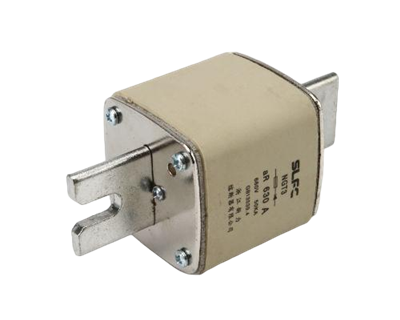
As a supplier of RT18 - 32 Fuses, I often encounter questions from customers regarding the performance and characteristics of our products. One of the most frequently asked questions is about the voltage drop across the RT18 - 32 Fuse under normal current. In this blog post, I will delve into this topic in detail, providing a comprehensive understanding of the factors influencing voltage drop and how it relates to the normal operation of the RT18 - 32 Fuse.
Understanding the Basics of Voltage Drop
Before we dive into the specifics of the RT18 - 32 Fuse, let's first understand what voltage drop is. Voltage drop refers to the decrease in electrical potential along a conductor when current flows through it. This phenomenon occurs due to the resistance of the conductor, which converts electrical energy into heat. According to Ohm's Law (V = IR), the voltage drop (V) across a conductor is directly proportional to the current (I) flowing through it and the resistance (R) of the conductor.
In the context of a fuse, the voltage drop is an important parameter as it can affect the overall performance of the electrical circuit. A high voltage drop can lead to increased power consumption, overheating, and potentially damage to other components in the circuit. Therefore, it is crucial to ensure that the voltage drop across the fuse remains within acceptable limits under normal operating conditions.
Factors Affecting Voltage Drop Across RT18 - 32 Fuse
Several factors can influence the voltage drop across the RT18 - 32 Fuse under normal current. These factors include the resistance of the fuse element, the contact resistance between the fuse and its holder, and the ambient temperature.
Resistance of the Fuse Element
The resistance of the fuse element is the primary factor determining the voltage drop across the fuse. The RT18 - 32 Fuse is designed with a specific resistance value, which is determined by the material, cross - sectional area, and length of the fuse element. A higher resistance fuse element will result in a higher voltage drop for a given current.
The material of the fuse element plays a crucial role in its resistance. Typically, fuse elements are made of materials with low melting points and relatively high resistivities, such as tin or lead alloys. These materials are chosen because they can quickly melt and interrupt the circuit in the event of an overcurrent condition. However, their relatively high resistivities also contribute to the voltage drop across the fuse.
Contact Resistance
The contact resistance between the fuse and its holder is another important factor affecting the voltage drop. When the fuse is inserted into the holder, there is a physical contact between the fuse terminals and the contacts in the holder. Imperfections in the contact surfaces, such as dirt, oxidation, or poor mechanical contact, can increase the contact resistance.
A high contact resistance can lead to a significant increase in the overall voltage drop across the fuse. To minimize contact resistance, the RT18 - 32 Fuse and its holders are designed with high - quality materials and precision manufacturing processes. For example, the RT18 - 32 Plastic Fuse Holder is engineered to provide a secure and low - resistance connection with the fuse, ensuring stable performance under normal operating conditions.
Ambient Temperature
The ambient temperature can also have a significant impact on the voltage drop across the RT18 - 32 Fuse. As the temperature increases, the resistance of the fuse element and the contact resistance tend to increase as well. This is because the resistivity of most materials increases with temperature.
In a high - temperature environment, the voltage drop across the fuse may be higher than under normal temperature conditions. Therefore, it is important to consider the ambient temperature when selecting a fuse and designing the electrical circuit. The RT18 - 32 Fuse is designed to operate within a specified temperature range, and its performance is carefully tested to ensure reliable operation under various temperature conditions.
Measuring Voltage Drop Across RT18 - 32 Fuse
To accurately measure the voltage drop across the RT18 - 32 Fuse under normal current, a multimeter can be used. The following steps can be followed:
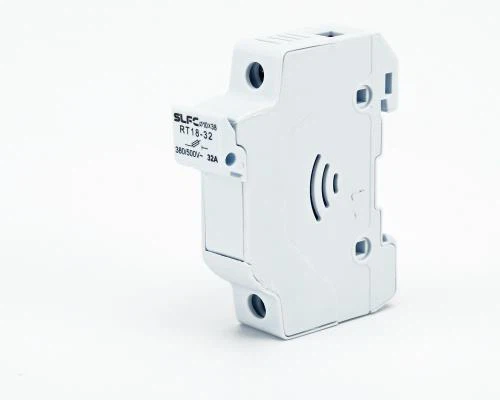
- Prepare the Circuit: Ensure that the electrical circuit is powered off and that all safety precautions are taken. Insert the RT18 - 32 Fuse into its appropriate holder, such as the RT18 - 32 1P Fuse Base or the RT18 - 32 1P Fuse Holder.
- Set the Multimeter: Set the multimeter to the voltage measurement mode. Make sure the range is appropriate for the expected voltage drop.
- Connect the Multimeter: Connect the multimeter probes across the terminals of the fuse. The red probe should be connected to the positive terminal, and the black probe should be connected to the negative terminal.
- Power On the Circuit: Once the multimeter is connected, power on the electrical circuit and allow it to reach a stable operating condition.
- Read the Voltage Drop: Read the voltage drop value displayed on the multimeter. This value represents the voltage drop across the RT18 - 32 Fuse under the current flowing through the circuit.
Acceptable Voltage Drop Limits
The acceptable voltage drop across the RT18 - 32 Fuse under normal current depends on the specific application and the requirements of the electrical circuit. In general, a voltage drop of a few millivolts to a few volts is considered acceptable for most low - voltage applications.
For example, in a 12 - volt DC circuit, a voltage drop of 0.1 - 0.5 volts across the fuse may be acceptable. However, in high - precision or low - power applications, a much lower voltage drop may be required to ensure the proper functioning of other components in the circuit.

It is important to note that the voltage drop across the fuse should be monitored regularly, especially in applications where the current or ambient temperature may vary significantly. If the voltage drop exceeds the acceptable limits, it may indicate a problem with the fuse, its holder, or the electrical circuit, and appropriate action should be taken to address the issue.
Importance of Low Voltage Drop in RT18 - 32 Fuse
A low voltage drop across the RT18 - 32 Fuse offers several benefits. Firstly, it helps to reduce power consumption in the electrical circuit. Since the power dissipated in the fuse (P = VI) is directly proportional to the voltage drop (V) and the current (I), a lower voltage drop means less power is wasted as heat.
Secondly, a low voltage drop helps to maintain the stability of the electrical circuit. By minimizing the voltage drop across the fuse, the voltage available to other components in the circuit remains relatively constant, ensuring their proper operation. This is particularly important in applications where the performance of other components is sensitive to voltage fluctuations.
Contact Us for RT18 - 32 Fuse Procurement
If you are interested in purchasing RT18 - 32 Fuses or have any questions regarding their voltage drop or other performance parameters, please feel free to contact us. We are committed to providing high - quality products and excellent customer service. Our team of experts is available to assist you in selecting the right fuse for your specific application and to address any technical queries you may have.
References
- Electrical Engineering Handbook, Third Edition, edited by Richard C. Dorf.
- Ohm's Law and its Applications, various technical resources from electrical engineering textbooks.
- Fuse Design and Application Guidelines, industry - specific technical documents.