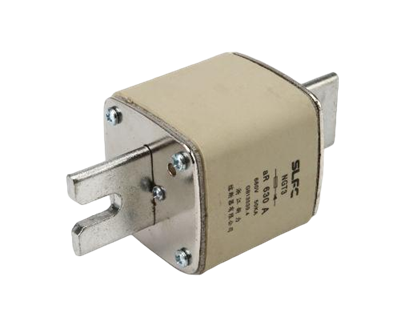
As a trusted supplier of EV Fuse Holders, I understand the critical role that these components play in the safety and functionality of electric vehicles (EVs). A high - quality EV Fuse Holder is essential for protecting the vehicle's electrical system from overcurrent situations. In this blog, I will delve into the materials commonly used to manufacture EV Fuse Holders and explain why they are chosen.
1. Plastic Materials
1.1 Polycarbonate (PC)
Polycarbonate is one of the most widely used plastics in the production of EV Fuse Holders. It offers excellent mechanical strength, which is crucial as the fuse holder needs to withstand various physical stresses during vehicle operation. For example, it can resist impacts from vibrations that occur while the vehicle is in motion.
PC also has good heat resistance. In an EV, electrical components generate heat, and the fuse holder must be able to maintain its structural integrity at elevated temperatures. It can typically withstand temperatures ranging from - 40°C to 120°C, which is well within the temperature range of an EV's electrical system.

Moreover, polycarbonate is highly transparent. This property allows technicians to easily inspect the fuse inside the holder without having to disassemble it. If a fuse has blown, it can be quickly identified, facilitating faster maintenance and repair. You can find high - quality EV Fuse Holders made of polycarbonate on our website at EV Fuse Holder.
1.2 Polybutylene Terephthalate (PBT)
PBT is another popular plastic material for EV Fuse Holders. It has excellent chemical resistance, which is important because the fuse holder may come into contact with various chemicals in the vehicle environment, such as cleaning agents or lubricants.
PBT also has good dimensional stability. This means that the shape and size of the fuse holder will remain consistent over time, even under different environmental conditions. This is crucial for ensuring a proper fit between the fuse and the holder, which is necessary for reliable electrical connections. The high electrical insulation properties of PBT prevent electrical leakage, enhancing the safety of the EV's electrical system. Our Electric Vehicle Fuse Base made of PBT offers these superior properties.
2. Metal Materials
2.1 Copper
Copper is a commonly used metal in the construction of EV Fuse Holders, especially for the electrical contacts. Copper has extremely high electrical conductivity, which allows for efficient transfer of electrical current. This reduces power loss and heat generation at the contact points, ensuring that the fuse can operate effectively.
It also has good corrosion resistance, which is essential for long - term use in an EV's electrical system. Corrosion can cause poor electrical connections, leading to overheating and potential system failures. Copper contacts in our Electric Vehicle Fuse Holder are designed to provide reliable and stable electrical connections.
2.2 Brass
Brass, an alloy of copper and zinc, is also used in EV Fuse Holders. It combines the good electrical conductivity of copper with the enhanced mechanical properties provided by zinc. Brass is more malleable than pure copper, making it easier to form into complex shapes required for the fuse holder design.
Brass has better resistance to tarnishing compared to copper in some environments. This helps to maintain the appearance and functionality of the fuse holder over time. It is often used for parts of the fuse holder that require both electrical conductivity and a certain level of mechanical strength, such as the terminal blocks.
3. Ceramic Materials
3.1 Alumina Ceramics
Alumina ceramics are used in some high - performance EV Fuse Holders. They have excellent high - temperature resistance, withstanding temperatures well above 1000°C. This makes them suitable for applications where the fuse may generate a significant amount of heat during operation, such as in high - power EVs.
Alumina ceramics also have high electrical insulation properties, which are crucial for preventing electrical arcing between the fuse and the surrounding components. Their high mechanical strength and hardness make them resistant to wear and tear, ensuring a long service life for the fuse holder.

3.2 Zirconia Ceramics
Zirconia ceramics offer even better fracture toughness compared to alumina ceramics. This means that they are less likely to crack or break under mechanical stress. They also have good chemical stability, which is beneficial in the harsh chemical environment of an EV's battery compartment. Although they are more expensive than some other materials, their superior properties make them a good choice for high - end EV Fuse Holders.
4. Silicone Materials
4.1 Silicone Rubber
Silicone rubber is used in EV Fuse Holders as a sealing material. It provides excellent waterproof and dust - proof properties. In an EV, the fuse holder needs to be protected from moisture and dust, which can cause electrical short - circuits and damage to the fuse.
Silicone rubber has good flexibility, allowing it to form a tight seal around the fuse and the holder. It can also withstand a wide range of temperatures, from - 60°C to 200°C, ensuring reliable sealing performance in different climate conditions. This helps to extend the lifespan of the fuse and the fuse holder.

Why Choose Our EV Fuse Holders?
Our EV Fuse Holders are manufactured using the highest - quality materials mentioned above. We have strict quality control processes in place to ensure that each fuse holder meets or exceeds industry standards. Whether you need a fuse holder made of polycarbonate for its transparency and mechanical strength, or one with copper contacts for optimal electrical conductivity, we have the right product for you.
If you are in the market for EV Fuse Holders, we invite you to contact us for procurement and further discussions. Our team of experts is ready to assist you in finding the most suitable products for your specific requirements. We are committed to providing you with reliable and high - performance EV Fuse Holders that will enhance the safety and functionality of your electric vehicles.
References
- "Materials Science for Electrical Engineering" - A comprehensive textbook on materials used in electrical components.
- Industry reports on the development and materials selection of EV components.