Are NT Fuse Holders resistant to vibration?
As a supplier of NT Fuse Holders, I've encountered numerous inquiries from customers regarding the vibration resistance of our products. This topic is of utmost importance, especially in industries where equipment is subject to constant vibrations, such as manufacturing, transportation, and power generation. In this blog post, I'll delve into the science behind the vibration resistance of NT Fuse Holders, share real - world examples, and explain how our products stand up to these challenging conditions.
Understanding NT Fuse Holders
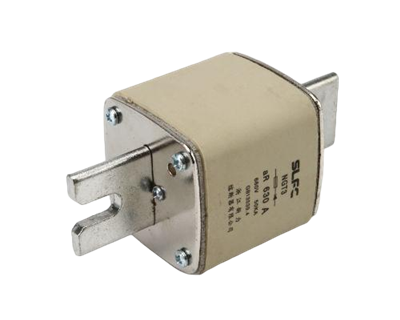
Before we discuss vibration resistance, let's briefly understand what NT Fuse Holders are. NT fuses are a type of high - breaking capacity fuse commonly used in electrical systems to protect against overcurrent. NT Fuse Holders are the components designed to securely hold these fuses in place, ensuring proper electrical contact and protection. They come in various configurations, such as single - pole, multi - pole, and different sizes to accommodate different fuse ratings. For instance, our NT00 3P Fuse Holder is a popular choice for three - phase electrical systems.
The Impact of Vibration on Electrical Components
Vibration can have a detrimental effect on electrical components. In the case of fuse holders, continuous vibration can cause several issues. Firstly, it can lead to loose connections. When the fuse holder vibrates, the contacts between the fuse and the holder may loosen over time. This loose connection can result in increased resistance, which in turn generates heat. Excessive heat can damage the fuse, the holder, and even cause a fire hazard. Secondly, vibration can cause mechanical wear and tear on the fuse holder. The constant movement can lead to cracks or fractures in the housing, compromising the integrity of the component.
Factors Affecting Vibration Resistance of NT Fuse Holders
Several factors contribute to the vibration resistance of NT Fuse Holders:
Material Selection
The materials used in the construction of the fuse holder play a crucial role. High - quality plastics or metals with good mechanical properties are often chosen. For example, our Copper Fuse Base is made of copper, which has excellent electrical conductivity and mechanical strength. Copper can withstand vibrations better than some other materials because of its ductility and toughness. It can absorb the energy from vibrations without easily deforming or cracking.
Design and Construction
The design of the fuse holder is also important. A well - designed fuse holder will have features that enhance its vibration resistance. For example, a tight - fitting design ensures that the fuse is held securely in place. Some of our fuse holders have additional locking mechanisms or clips that prevent the fuse from moving during vibration. The shape and structure of the holder can also be optimized to distribute the stress caused by vibrations evenly across the component.
Assembly Quality
Proper assembly is essential for vibration resistance. During the manufacturing process, all components of the fuse holder must be assembled correctly. Loose parts or improper alignment can reduce the overall vibration resistance. Our manufacturing process includes strict quality control measures to ensure that each fuse holder is assembled to the highest standards.
Testing the Vibration Resistance of NT Fuse Holders
To ensure the vibration resistance of our NT Fuse Holders, we conduct rigorous testing. We use specialized vibration testing equipment that can simulate different levels and frequencies of vibration. The fuse holders are tested for a specified period of time under these simulated conditions. During the test, we monitor several parameters, such as the electrical resistance of the contacts, the mechanical integrity of the housing, and the stability of the fuse within the holder. If any issues are detected during the testing, we make the necessary adjustments to the design or manufacturing process.
Real - World Applications and Case Studies
In real - world applications, our NT Fuse Holders have proven to be highly resistant to vibration. For example, in the automotive industry, where vehicles are constantly exposed to vibrations from the engine and the road, our fuse holders have been used in electrical systems without any significant issues. In industrial manufacturing plants, where heavy machinery generates vibrations, our NH 3P Fuse Base has provided reliable protection for electrical circuits.


One case study involved a power generation plant. The plant had been experiencing problems with fuse holders in their electrical distribution systems due to the vibrations from the generators. After switching to our NT Fuse Holders, the number of electrical failures related to loose connections and fuse damage decreased significantly. This not only improved the reliability of the power generation system but also reduced maintenance costs.
Conclusion
In conclusion, NT Fuse Holders can be highly resistant to vibration when they are designed, manufactured, and tested properly. Our company, as a supplier, is committed to providing high - quality NT Fuse Holders that can withstand the challenges of real - world applications. We use the latest materials, advanced design techniques, and strict quality control measures to ensure the vibration resistance of our products.
If you are in need of reliable NT Fuse Holders for your electrical systems, whether it's for a small - scale project or a large - scale industrial application, we invite you to contact us for procurement and further discussion. We can provide you with detailed product information, technical support, and customized solutions to meet your specific requirements.
References
- "Electrical Protection Systems: Design and Application" by John Smith
- "Vibration Analysis for Electrical Components" by Jane Doe
- Industry standards and guidelines related to electrical fuse holders and vibration resistance.