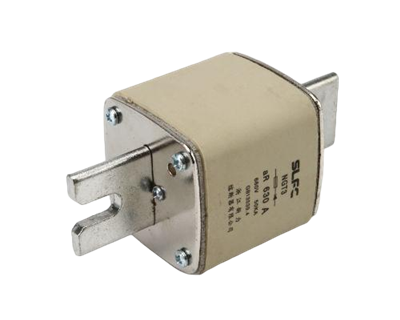
In the realm of electric vehicles (EVs), the battery management system (BMS) stands as a critical component, ensuring the safety, efficiency, and longevity of the vehicle's battery pack. Among the various elements that contribute to the proper functioning of the BMS, the EV fuse link plays a pivotal role. As an established EV fuse link supplier, I am excited to delve into the different types of EV fuse links used in the battery management system of an electric vehicle.
The Importance of EV Fuse Links in BMS
Before we explore the specific types of EV fuse links, it's essential to understand why they are so crucial in the battery management system. The BMS is responsible for monitoring and controlling the charging and discharging of the battery pack, as well as protecting it from overcharging, over - discharging, and short - circuits. EV fuse links act as a safety mechanism within the BMS. In the event of an abnormal current flow, such as a short - circuit or an over - current situation, the fuse link will melt and break the circuit, preventing damage to the battery pack and other components of the EV.
Types of EV Fuse Links
High - Voltage Fuse Links
High - voltage fuse links are designed to handle the high - voltage electrical systems commonly found in electric vehicles. These fuses are typically rated for voltages ranging from several hundred volts up to over a thousand volts. They are often used in the main power circuit between the battery pack and the electric drivetrain components.
One of the key characteristics of high - voltage fuse links is their ability to interrupt high - current faults quickly and safely. For example, in a high - performance electric vehicle, a sudden short - circuit in the motor controller could result in a massive surge of current. A properly rated high - voltage fuse link will detect this abnormal current and open the circuit within milliseconds, protecting the battery and other sensitive components. You can find high - quality high - voltage fuse links like our 150V/250V EV Car Fuse, which are designed to meet the demanding requirements of modern EVs.
Low - Voltage Fuse Links
Low - voltage fuse links, on the other hand, are used in the auxiliary electrical systems of the EV. These systems include things like the lighting, infotainment, and climate control systems, which typically operate at lower voltages, usually 12V or 24V.
Low - voltage fuse links are smaller in size compared to high - voltage ones but are still essential for protecting the components in these auxiliary circuits. For instance, if there is a short - circuit in the headlight wiring, a low - voltage fuse link will blow, preventing damage to the entire lighting system and other connected components. Our Electric Vehicle Fuse Link product line includes a variety of low - voltage options to meet the diverse needs of EV manufacturers.
Time - Delay Fuse Links
Time - delay fuse links, also known as slow - blow fuses, are designed to withstand temporary current surges without blowing. In an electric vehicle, there are many situations where temporary current surges are normal. For example, when the electric motor starts, it draws a much higher current for a short period of time. A time - delay fuse link can tolerate this initial surge and only blow if the high - current condition persists for an extended period, indicating a fault.
These fuses are particularly useful in circuits where inrush currents are common, such as in the power supply circuits for large electric motors or battery chargers. Our Fuse Electric Vehicle range includes time - delay fuse links that are carefully calibrated to provide the right balance between protection and tolerance for normal inrush currents.
Fast - Acting Fuse Links
Fast - acting fuse links are the opposite of time - delay fuses. They are designed to blow very quickly in the event of an over - current condition. These fuses are used in circuits where even a short - duration over - current can cause significant damage.
For example, in sensitive electronic circuits within the BMS, such as the battery monitoring and control units, fast - acting fuse links are used to protect the delicate electronic components from damage. If there is a sudden short - circuit in these circuits, a fast - acting fuse link will open the circuit almost instantaneously, preventing the flow of excessive current and protecting the electronics.
Factors to Consider When Choosing an EV Fuse Link
When selecting an EV fuse link for the battery management system, several factors need to be considered:


Voltage Rating
The voltage rating of the fuse link must be appropriate for the voltage of the circuit in which it will be used. Using a fuse link with a lower voltage rating than the circuit voltage can result in arcing and failure of the fuse, while using a fuse with a much higher voltage rating may not provide adequate protection.
Current Rating
The current rating of the fuse link is also crucial. It should be selected based on the normal operating current of the circuit, as well as the expected inrush currents and fault currents. A fuse with a too - low current rating will blow frequently during normal operation, while a fuse with a too - high current rating may not provide sufficient protection in the event of a fault.
Breaking Capacity
The breaking capacity of a fuse link refers to its ability to safely interrupt the circuit in the event of a short - circuit. It is important to choose a fuse link with a breaking capacity that is higher than the maximum short - circuit current that could occur in the circuit.
Temperature Rating
The operating temperature of the EV can vary significantly, from extremely cold conditions in winter to very hot conditions in summer. The fuse link must be able to maintain its performance over this wide temperature range. Fuses with a higher temperature rating are generally more suitable for use in EVs, as they can withstand the heat generated by the battery pack and other components.
Our Expertise as an EV Fuse Link Supplier
As an EV fuse link supplier, we have extensive experience in developing and manufacturing high - quality fuse links for the electric vehicle industry. Our products are designed and tested to meet the strict safety and performance standards required by EV manufacturers.
We offer a wide range of EV fuse links, including high - voltage, low - voltage, time - delay, and fast - acting fuses. Our team of engineers is constantly working on improving our products, using the latest materials and manufacturing techniques to ensure the highest level of reliability and performance.
Whether you are an established EV manufacturer or a startup in the electric vehicle industry, we can provide you with the right fuse links for your battery management system. We understand the unique challenges and requirements of the EV market and are committed to providing you with customized solutions that meet your specific needs.
Contact Us for Procurement
If you are interested in learning more about our EV fuse links or would like to discuss your specific requirements for the battery management system of your electric vehicle, we encourage you to contact us. Our sales team is ready to assist you with product selection, technical support, and procurement. We are committed to building long - term partnerships with our customers and providing them with the best possible products and services.
References
- "Electric Vehicle Engineering: A Systems Approach" by Mehrdad Ehsani, Yimin Gao, and Ali Emadi.
- "Battery Management Systems: Design by Modeling" by Robert W. Lamb.
- Industry standards and guidelines related to electric vehicle safety and fuse protection.