


Hey there! As a supplier of GPV Fuses, I've had my fair share of experiences and know - how about these nifty little devices. Today, I'm gonna chat with you about the safety precautions you should take when using GPV Fuses.
First off, let's understand what GPV Fuses are. They're super important in a bunch of electrical systems, especially in solar power setups. They help protect the circuits from over - current situations. If there's too much current flowing through a circuit, the fuse will blow, cutting off the power and preventing damage to other components.
Now, onto the safety precautions.
Installation Precautions
When you're installing a GPV Fuse, make sure you're using the right tools. Using the wrong tools can lead to improper installation, which can be a huge safety hazard. For example, if you don't tighten the connections properly, it can cause overheating. And trust me, overheating is a big no - no as it can lead to a fire.
Another thing is to follow the manufacturer's instructions. Every GPV Fuse has specific installation guidelines. Some might need a certain torque when tightening the bolts, and others might have a particular orientation for installation. Ignoring these instructions can mess up the fuse's performance and put your whole system at risk.
Also, before you start the installation, always make sure the power is off. This might seem like a no - brainer, but you'd be surprised how many people forget this step. Working on a live circuit is extremely dangerous and can result in electric shock.
Compatibility Checks
It's crucial to use a GPV Fuse that's compatible with your system. You need to consider factors like voltage rating and current rating. If you use a fuse with a lower voltage rating than your system, it might blow prematurely. On the other hand, if the current rating is too high, the fuse might not blow when it should, leaving your components vulnerable to damage.

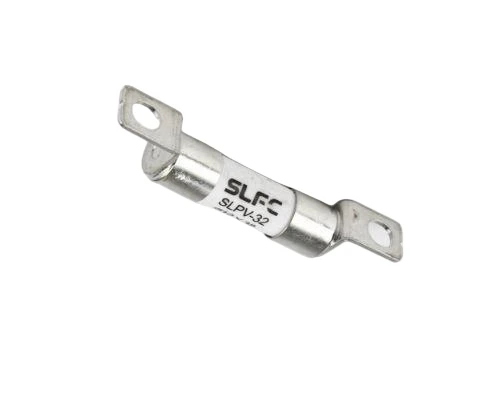
For instance, if you're working on a solar power system, you might want to check out our 1000VDC GPV Fuse. It's designed to handle the specific requirements of high - voltage solar setups. And if you need a fuse holder, our DC1000V TUV RoHS GPV Fuse Holder Base is a great option that's compatible with many of our fuses.
Operating Conditions
The environment where the GPV Fuse operates also matters a lot. High temperatures can affect the performance of the fuse. If the fuse is installed in an area with poor ventilation, the heat generated during normal operation might not dissipate properly. This can cause the fuse to age faster and increase the risk of it blowing unexpectedly.
Similarly, humidity can also be a problem. Moisture can corrode the fuse and its connections, leading to poor conductivity and potential failures. So, try to install the fuse in a dry and well - ventilated area.
Maintenance and Inspection
Regular maintenance and inspection are key to ensuring the safety of your GPV Fuse. You should visually inspect the fuse periodically for any signs of damage, like cracks or discoloration. If you notice any of these issues, it's time to replace the fuse.
It's also a good idea to check the connections for tightness. Loose connections can cause arcing, which is not only a safety hazard but can also damage the fuse and other components.
Storage
If you have spare GPV Fuses, how you store them is important too. Keep them in a cool, dry place. Exposure to extreme temperatures or humidity during storage can degrade the fuse's performance. And make sure they're stored in a way that they won't get physically damaged.
Handling Precautions
When handling GPV Fuses, be gentle. They're delicate components, and rough handling can cause internal damage. Also, make sure your hands are clean and dry. Oils and dirt from your hands can contaminate the fuse and affect its performance.
Over - current Protection
Remember, the main job of a GPV Fuse is to protect against over - current. But sometimes, you might encounter situations where the over - current is caused by a short - circuit. In such cases, the fuse should blow quickly to prevent further damage. If you suspect a short - circuit, don't just replace the fuse right away. First, find and fix the cause of the short - circuit. Otherwise, the new fuse will just blow again.
For some applications, our Bolted Photovoltaic Fuse is a great choice as it's designed to handle high - current situations and provide reliable over - current protection.
In conclusion, using GPV Fuses safely requires a combination of proper installation, compatibility checks, regular maintenance, and following the right handling procedures. By taking these safety precautions, you can ensure the long - term performance of your electrical systems and avoid potential safety hazards.
If you're in the market for high - quality GPV Fuses or have any questions about their safety and usage, don't hesitate to reach out. We're here to help you make the right choices for your electrical projects. Whether you're a professional installer or a DIY enthusiast, we've got the products and knowledge to support you. Let's start a conversation and see how we can work together to meet your needs.
References
- General knowledge of electrical safety standards and practices in the industry.
- Manufacturer's guidelines for GPV Fuses.


