


Hey there! As a supplier of RS3 Fuse, I often get asked whether the RS3 Fuse is suitable for high - frequency circuits. Well, let's dive right into this topic and find out.
First off, let's understand what high - frequency circuits are. High - frequency circuits operate at frequencies typically above 1 MHz. These circuits are commonly found in a wide range of applications, such as radio communication systems, radar systems, and high - speed data transmission devices. In these circuits, components need to be able to handle rapid changes in current and voltage, and they must have low parasitic effects like capacitance and inductance.
Now, let's talk about the RS3 Fuse. The RS3 Fuse is a type of fuse that's been around for a while and has a solid reputation in the electrical protection market. It's designed to protect electrical circuits from overcurrent conditions by melting a fusible element when the current exceeds a certain value.
One of the key factors to consider when determining if the RS3 Fuse is suitable for high - frequency circuits is its impedance characteristics. At high frequencies, the impedance of a component can change significantly compared to its DC or low - frequency impedance. A fuse with high impedance at high frequencies can cause signal attenuation and distortion in the circuit.
The RS3 Fuse has a relatively low inductance and capacitance compared to some other types of fuses. This is a good thing for high - frequency circuits because low inductance and capacitance mean less interference with the high - frequency signals. When a fuse has low inductance, it doesn't create a large magnetic field that can couple with other components in the circuit and cause unwanted noise. Similarly, low capacitance reduces the chances of signal leakage and cross - talk.

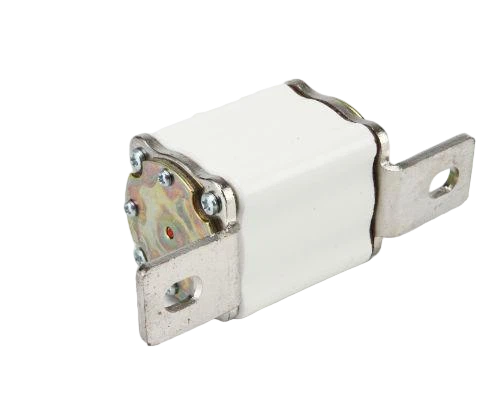
Another aspect to consider is the response time of the RS3 Fuse. In high - frequency circuits, faults can occur very quickly, and the fuse needs to be able to respond rapidly to protect the circuit. The RS3 Fuse has a fast - acting characteristic, which means it can open the circuit in a short period when an overcurrent condition is detected. This is crucial in high - frequency applications where a delay in the fuse's response could lead to damage to sensitive components.
However, there are also some limitations. The physical size of the RS3 Fuse can be a drawback in some high - frequency circuits. In very compact high - frequency designs, the relatively large size of the RS3 Fuse might not fit well, and it could also introduce additional parasitic effects due to its physical presence in the circuit.
Let's compare the RS3 Fuse with some other types of fuses. For example, the RS0 Fuse is another option. The RS0 Fuse is also designed for electrical protection, but it has different characteristics. It might have a different impedance profile at high frequencies, and its response time could be different as well. In some cases, the RS0 Fuse might be more suitable for certain high - frequency applications where its specific characteristics match the circuit requirements better.
Then there's the Bolted Fast Fuse. This type of fuse is known for its high - current - handling capabilities. In high - frequency circuits that deal with large currents, the Bolted Fast Fuse could be a better choice. But again, its impedance and other high - frequency characteristics need to be carefully evaluated.
In practical applications, the suitability of the RS3 Fuse for high - frequency circuits depends on the specific requirements of the circuit. If the circuit has a relatively low power level and requires a fast - acting fuse with low parasitic effects, the RS3 Fuse can be a great option. For example, in some low - power radio frequency (RF) circuits, the RS3 Fuse can provide reliable overcurrent protection without causing significant signal degradation.
On the other hand, if the high - frequency circuit has very strict size constraints or deals with extremely high - frequency signals (e.g., in millimeter - wave applications), other types of fuses or alternative protection methods might be more appropriate.
If you're working on a high - frequency circuit project and are considering using the RS3 Fuse, it's a good idea to conduct some tests. You can measure the impedance of the RS3 Fuse at the operating frequencies of your circuit and see how it affects the signal quality. You can also simulate the circuit with the RS3 Fuse included to predict its performance under different conditions.
As a supplier of the RS3 Fuse Link, I'm here to help you make the right decision. If you have any questions about whether the RS3 Fuse is suitable for your high - frequency circuit, or if you need more information about its characteristics, feel free to reach out. We can have a detailed discussion about your specific requirements and see if the RS3 Fuse is the best fit for your project.
In conclusion, while the RS3 Fuse has some advantages in high - frequency circuits, such as low parasitic effects and fast response time, its suitability depends on the specific needs of the circuit. It's important to carefully evaluate the circuit requirements and compare the RS3 Fuse with other options before making a decision.
If you're interested in purchasing RS3 Fuses or want to start a discussion about your high - frequency circuit protection needs, don't hesitate to get in touch. We're always ready to assist you with your procurement and provide you with the best solutions for your electrical protection requirements.
References:
- Electrical Engineering Handbook, CRC Press
- High - Frequency Electronics Magazine articles on circuit protection components


