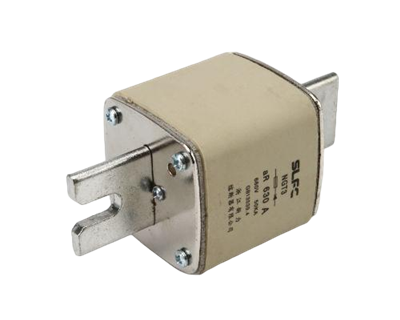
As a supplier of RT18 - 32 Fuses, I am often asked about the safety precautions associated with using these fuses. The RT18 - 32 fuse is a widely used electrical component in various applications, from industrial machinery to household appliances. Ensuring its safe use is of utmost importance for both the protection of equipment and the safety of personnel. In this blog, I will delve into the key safety precautions that should be taken when using RT18 - 32 fuses.
Understanding the RT18 - 32 Fuse
Before discussing safety precautions, it's essential to have a basic understanding of what the RT18 - 32 fuse is. The RT18 - 32 fuse belongs to the plug - in fuse category and is designed to provide over - current protection. It has a rated current range that can be selected according to different application requirements. When the current flowing through the fuse exceeds its rated value, the fuse element melts, breaking the circuit and preventing further damage to electrical equipment.
Selecting the Correct Fuse
Matching the Rated Current
One of the most critical safety precautions is to select a fuse with the correct rated current. Using a fuse with a rated current that is too high will not provide adequate protection. In the event of an over - current situation, the fuse may not blow, allowing excessive current to flow through the circuit and potentially damage the equipment. Conversely, using a fuse with a rated current that is too low can lead to premature fuse blowing, causing unnecessary downtime.


For example, if an electrical device has a normal operating current of 5A, a fuse with a rated current slightly higher than 5A, such as 6A or 7A, should be selected. This ensures that the fuse can withstand normal current fluctuations while still providing protection in case of an over - current event.
Considering the Voltage Rating
In addition to the current rating, the voltage rating of the fuse must also be considered. The voltage rating of the RT18 - 32 fuse should be equal to or higher than the voltage of the circuit in which it is installed. Using a fuse with a voltage rating that is too low can cause arcing and potentially lead to a fire hazard.
Installation Precautions
Proper Installation Location
The RT18 - 32 fuse should be installed in a suitable location. It should be placed in a well - ventilated area to prevent overheating. Avoid installing the fuse in areas where it may be exposed to moisture, dust, or mechanical damage. For example, in an industrial environment, the fuse should be installed in a control panel or a junction box that provides protection from the elements.
Correct Installation Method
When installing the RT18 - 32 fuse, it is crucial to follow the correct installation method. The fuse should be inserted firmly into the RT18 - 32 Fuse Holder Base or RT18 - 32 1P Fuse Base to ensure good electrical contact. Loose connections can cause overheating and increase the risk of fuse failure.
Operation and Maintenance
Regular Inspections
Regular inspections of the RT18 - 32 fuse are necessary to ensure its proper functioning. Check the fuse for signs of damage, such as a blown element, discoloration, or cracks. If any damage is detected, the fuse should be replaced immediately.
Avoiding Overloading
During operation, it is essential to avoid overloading the circuit. Overloading can cause the fuse to blow prematurely or, in some cases, cause the fuse to fail without blowing, leading to a dangerous situation. Make sure that the electrical load does not exceed the rated capacity of the circuit and the fuse.
Safety Precautions During Fuse Replacement
Power Off
Before replacing the RT18 - 32 fuse, always turn off the power to the circuit. This will prevent the risk of electric shock. Use a suitable voltage tester to confirm that the power is off.
Using the Correct Replacement Fuse
When replacing the fuse, make sure to use a replacement fuse with the same rating and specifications as the original fuse. Do not use a fuse with a different rating, as this can compromise the safety and performance of the circuit.
Handling the Fuse Carefully
When handling the RT18 - 32 fuse, avoid touching the fuse element with your fingers. The oils from your skin can cause the fuse element to overheat and reduce its lifespan. Use appropriate tools, such as fuse pullers, to remove and install the fuse.
Compatibility with Fuse Holders
The RT18 - 32 fuse should be compatible with the fuse holder. Using a fuse in an incompatible holder can lead to poor electrical contact, overheating, and potential safety hazards. RT18 - 32 Plastic Fuse Holder is designed to work specifically with the RT18 - 32 fuse, ensuring a proper fit and reliable performance.
Training and Awareness
All personnel involved in the installation, operation, and maintenance of RT18 - 32 fuses should receive proper training. They should be aware of the safety precautions and procedures associated with using these fuses. This includes understanding the importance of selecting the correct fuse, proper installation methods, and safe fuse replacement procedures.
Conclusion
In conclusion, using RT18 - 32 fuses safely requires careful consideration of several factors. From selecting the correct fuse with the appropriate current and voltage ratings to following proper installation, operation, and maintenance procedures, every step is crucial for ensuring the safety of electrical systems and personnel. By adhering to these safety precautions, you can minimize the risk of electrical accidents and ensure the reliable operation of your equipment.
If you are interested in purchasing RT18 - 32 fuses or have any questions regarding their use, please feel free to contact us for more information and to discuss your specific requirements. We are committed to providing high - quality fuses and professional advice to meet your needs.
References
- Electrical Safety Standards and Guidelines
- RT18 - 32 Fuse Product Manuals