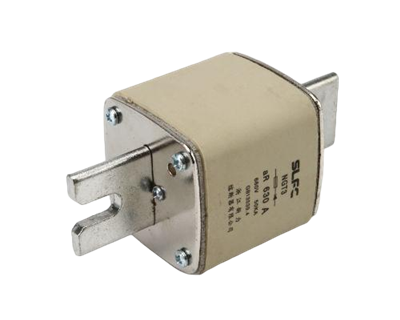
Hey there! As a supplier of RT18 - 63 Fuse, I often get asked about the temperature coefficient of this product. So, let's dive right in and explore what the temperature coefficient of RT18 - 63 Fuse is all about.
First off, what exactly is a temperature coefficient? In simple terms, it's a measure of how a certain property of a material changes with temperature. For a fuse like the RT18 - 63, the temperature coefficient is related to how its electrical resistance changes as the temperature goes up or down.
The RT18 - 63 Fuse is a pretty popular choice in the market. It's known for its reliability and good performance in various electrical applications. But the temperature can have a significant impact on its operation.
When the temperature rises, the resistance of the fuse element in the RT18 - 63 Fuse usually increases. This is because as the temperature goes up, the atoms in the fuse material vibrate more vigorously. These increased vibrations make it harder for the electrons to flow through the material, which in turn leads to an increase in resistance.
On the flip side, when the temperature drops, the resistance of the fuse element decreases. The atoms in the material vibrate less, and it becomes easier for the electrons to move around, resulting in lower resistance.
Now, the temperature coefficient of the RT18 - 63 Fuse is typically given in parts per million per degree Celsius (ppm/°C). This unit tells us how much the resistance of the fuse changes for every one - degree change in temperature.
Let's say the temperature coefficient of the RT18 - 63 Fuse is around 200 ppm/°C. This means that for every one - degree increase in temperature, the resistance of the fuse will increase by 200 parts per million of its original value. So, if the original resistance of the fuse is 1 ohm, for a 10 - degree increase in temperature, the resistance will increase by 1 * 200 * 10 / 1000000 = 0.002 ohms.


Why is this important? Well, in electrical circuits, even a small change in resistance can have a big impact. For example, if the resistance of the fuse increases too much due to a rise in temperature, it can cause a voltage drop across the fuse. This voltage drop can affect the performance of other components in the circuit.
Also, the temperature coefficient can affect the melting time of the fuse. When the resistance increases with temperature, more heat is generated in the fuse element according to the formula P = I²R (where P is power, I is current, and R is resistance). If the heat generated is high enough, it can cause the fuse to melt and break the circuit, which is its main function.
The RT18 - 63 Fuse comes with different base options. You can check out the RT18 - 63 Base for more details. It's designed to provide a stable connection and support for the fuse, ensuring its proper operation in different environments.
Another related product is the 14*51 Fuse. It has its own characteristics, but the concept of temperature coefficient still applies. Just like the RT18 - 63 Fuse, changes in temperature can affect its resistance and performance.
When it comes to using the RT18 - 63 Fuse in real - world applications, it's crucial to consider the temperature conditions. For instance, in a hot industrial environment, the temperature can be quite high. In such cases, the increase in resistance due to the temperature coefficient needs to be taken into account to ensure that the fuse doesn't blow prematurely or cause issues in the circuit.
On the other hand, in a cold environment, the decrease in resistance might seem beneficial at first. But it can also lead to unexpected changes in the current flow in the circuit, which could potentially damage other components.
As a supplier, I always make sure to provide detailed information about the temperature coefficient of the RT18 - 63 Fuse to my customers. This helps them make informed decisions when choosing the right fuse for their specific applications.
If you're in the market for a reliable fuse and want to learn more about the RT18 - 63 Fuse and its temperature coefficient, feel free to reach out. Whether you're working on a small DIY project or a large - scale industrial application, we can help you find the perfect solution.
So, if you're interested in purchasing RT18 - 63 Fuses or have any questions about their performance under different temperature conditions, don't hesitate to get in touch. We're here to assist you with all your fuse - related needs and guide you through the process of choosing the right product for your circuit. Let's start a conversation and see how we can work together to meet your requirements.
References
- Electrical Engineering textbooks on fuse theory and operation
- Manufacturer's datasheets for RT18 - 63 Fuse