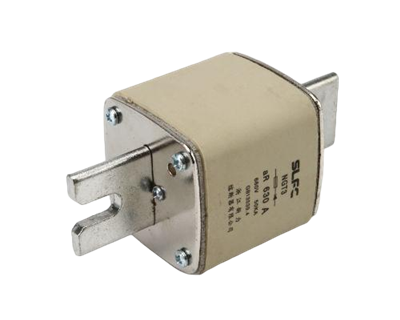
Are there different sizes of RT14 Fuse?
As a long - standing RT14 fuse supplier, I am often asked about the different sizes of RT14 fuses. The short answer is yes, there are indeed different sizes and specifications available for RT14 fuses, each designed to meet specific electrical protection requirements.
Understanding the RT14 Fuse Basics
The RT14 fuse is a well - known and widely used type of electrical fuse. It is commonly employed in various industrial and commercial applications to protect electrical circuits from over - current conditions. Fuses work by melting a conductive element when the current flowing through them exceeds a certain rated value, thereby breaking the circuit and preventing damage to the connected equipment.
Different Sizes and Their Applications
Amperage Ratings
One of the primary ways in which RT14 fuses come in different sizes is through their amperage ratings. The amperage rating indicates the maximum amount of current that the fuse can carry without blowing. For example, you can find RT14 fuses with ratings such as 2A, 5A, 10A, 15A, 20A, 32A, and 63A, among others.
- Low - Amperage Fuses: The lower - amperage RT14 fuses, like the 2A and 5A ones, are typically used in circuits where the normal operating current is relatively small. These might be found in control circuits, low - power electronic devices, or in circuits that are highly sensitive to over - current. For instance, in some small - scale automation systems, a 2A RT14 fuse can protect the delicate control boards from any sudden current surges.
- Medium - Amperage Fuses: Fuses with ratings in the range of 10A - 32A are commonly used in a wide variety of industrial applications. They can protect motors, transformers, and other medium - power electrical equipment. A 20A RT14 fuse, for example, can be used in a motor control circuit where the motor has a moderate power consumption. You can access more information about RT14 - 20 Base which is designed to work with a 20A fuse.
- High - Amperage Fuses: The higher - amperage RT14 fuses, such as the 63A ones, are used in applications where large amounts of current are required. These might be in heavy - duty industrial machinery or power distribution systems. When dealing with high - power equipment, a 63A RT14 fuse can safeguard the entire circuit from over - current events that could otherwise cause serious damage or even pose a safety hazard. The RT14 - 63 Fuse Base is specifically engineered to accommodate these high - amperage fuses.
Physical Dimensions
Apart from the amperage ratings, there are also differences in the physical dimensions of RT14 fuses and their associated holders. The physical size of a fuse is important as it needs to fit properly into the fuse base or holder.
- The RT14 - 32 Fuse Holder is designed to hold a 32A RT14 fuse. It has specific dimensions and features that ensure a secure and proper electrical connection. Different amperage fuses may have slightly different lengths, diameters, or terminal configurations, which are all carefully designed to work in harmony with their corresponding holders. This is crucial to ensure the reliable operation of the fuse and the overall electrical system.
Selecting the Right Size of RT14 Fuse
Selecting the appropriate size of RT14 fuse for a particular application is a critical task. Here are some factors to consider:
Load Current
The first and most important factor is the normal operating current of the load. You need to accurately measure or estimate the current that the electrical equipment or circuit will draw under normal conditions. Then, select a fuse with an amperage rating slightly higher than the normal operating current. For example, if a circuit has a normal operating current of 18A, a 20A RT14 fuse would be a suitable choice.
Inrush Current
Some electrical devices, such as motors and transformers, have a high inrush current when they are first started. This inrush current can be several times higher than the normal operating current and lasts for a short period. When selecting a fuse for such devices, you need to choose a fuse that can withstand the inrush current without blowing. A time - delay fuse might be a good option in these cases, as it can tolerate short - term high - current surges.
Voltage Rating
In addition to the amperage rating, you also need to consider the voltage rating of the fuse. The voltage rating of the fuse must be equal to or higher than the voltage of the circuit in which it is installed. Using a fuse with a lower voltage rating can lead to arcing and other safety issues.


Quality Assurance
As a supplier, we understand the importance of providing high - quality RT14 fuses. Our fuses go through rigorous testing procedures to ensure that they meet or exceed the industry standards. We source the best materials and use advanced manufacturing techniques to produce fuses that are reliable, durable, and have accurate ratings.
We also offer a wide range of RT14 fuses in different sizes and specifications to meet the diverse needs of our customers. Whether you need a low - amperage fuse for a small - scale control circuit or a high - amperage fuse for a heavy - duty industrial application, we have the right product for you.
Contact Us for Procurement
If you are in the market for RT14 fuses, we are here to help. Our team of experts can assist you in selecting the right size and type of fuse for your specific application. We offer competitive pricing, fast delivery, and excellent customer service. Whether you are an industrial manufacturer, an electrical contractor, or a maintenance technician, we are your reliable partner for all your RT14 fuse needs. Contact us today to start the procurement process and discuss how we can meet your requirements.
References
- Electrical Safety Standards Handbook
- Industrial Electrical Equipment Manual
- Fuse Technical Guidelines