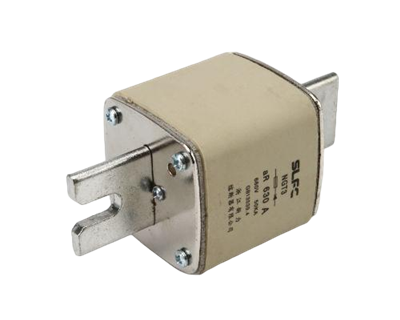
Can PV Fuse Holders be used in PV charge controllers?
As a supplier of PV fuse holders, I often get asked whether PV fuse holders can be used in PV charge controllers. This is a crucial question for anyone involved in the solar power industry, as the proper use of components can significantly impact the safety and efficiency of a photovoltaic system.
Understanding PV Fuse Holders and PV Charge Controllers
Before delving into whether PV fuse holders can be used in PV charge controllers, it's essential to understand what each component does.


PV fuse holders are designed to hold fuses in place within a photovoltaic system. Their primary function is to protect the system from over - current situations. When the current flowing through the circuit exceeds the rated value of the fuse, the fuse melts, breaking the circuit and preventing damage to other components such as solar panels, inverters, and wiring. Fuse holders come in various types, including those designed for different fuse sizes and ratings, and are built to withstand the environmental conditions typically encountered in solar installations.
On the other hand, PV charge controllers are used to regulate the charging of batteries in a solar power system. They ensure that the batteries are not over - charged or under - charged, which can reduce the lifespan of the batteries. Charge controllers monitor the voltage and current from the solar panels and adjust the charging process accordingly. They also protect the system from reverse current flow, which can occur when the batteries are discharging back into the solar panels at night.
Compatibility of PV Fuse Holders with PV Charge Controllers
The short answer is yes, PV fuse holders can be used in PV charge controllers, but there are several factors to consider to ensure compatibility and proper operation.
Electrical Rating
The electrical rating of the PV fuse holder must match the requirements of the PV charge controller. This includes the voltage and current ratings. The voltage rating of the fuse holder should be equal to or higher than the maximum voltage that the charge controller will experience in the system. Similarly, the current rating of the fuse should be selected based on the maximum current that the charge controller can handle. For example, if a charge controller has a maximum current rating of 20 amps, a fuse with a slightly higher rating, such as 25 amps, may be appropriate to provide protection without tripping under normal operating conditions.
Physical Dimensions
The physical dimensions of the PV fuse holder must also be compatible with the PV charge controller. The fuse holder should fit properly within the charge controller's enclosure or mounting area. Some charge controllers may have specific requirements for the type of fuse holder, such as a particular shape or size. It's important to check the manufacturer's specifications for both the fuse holder and the charge controller to ensure a proper fit.
Environmental Conditions
Both PV fuse holders and PV charge controllers are exposed to various environmental conditions, such as temperature, humidity, and sunlight. The fuse holder should be able to withstand these conditions without degrading its performance. For example, in high - temperature environments, the fuse holder should be made of materials that can resist heat and not melt or deform. Similarly, in humid or coastal areas, the fuse holder should be corrosion - resistant to prevent damage over time.
Benefits of Using PV Fuse Holders in PV Charge Controllers
Enhanced Safety
One of the main benefits of using PV fuse holders in PV charge controllers is enhanced safety. The fuse acts as a safeguard against over - current situations, which can cause damage to the charge controller and other components in the system. By quickly interrupting the circuit when an over - current occurs, the fuse can prevent electrical fires and other hazards.
Protection of Components
Using a PV fuse holder helps protect the PV charge controller from damage. Over - current can cause the charge controller's internal components to overheat and fail. The fuse ensures that the charge controller is not exposed to excessive current, thereby extending its lifespan and reducing the need for costly repairs or replacements.
System Reliability
A properly installed PV fuse holder in a PV charge controller contributes to the overall reliability of the solar power system. By preventing component failures due to over - current, the system can operate more consistently, providing a stable supply of power to the connected loads.
Types of PV Fuses Suitable for PV Charge Controllers
There are several types of PV fuses that can be used in PV charge controllers.
TUV Solar Fuse
TUV Solar Fuses are designed specifically for use in photovoltaic systems. They are tested and certified to meet strict safety standards. These fuses are capable of handling high - voltage and high - current applications, making them suitable for use in PV charge controllers. You can learn more about TUV Solar Fuses here.
Solar Fuse Clip
Solar Fuse Clips are another option for PV charge controllers. They are designed to securely hold the fuse in place and provide a reliable electrical connection. Solar Fuse Clips are available in different sizes and configurations to accommodate various fuse types. To find out more about Solar Fuse Clips, visit this page.
NH PV Fuse
NH PV Fuses are commonly used in solar power systems. They offer high - breaking capacity and are suitable for protecting PV charge controllers from short - circuits and over - current. You can get detailed information about NH PV Fuses here.
Considerations for Installation
When installing a PV fuse holder in a PV charge controller, it's important to follow the manufacturer's instructions carefully. Here are some general guidelines:
Proper Wiring
Ensure that the wiring connections between the PV fuse holder and the charge controller are correct and secure. Loose or incorrect wiring can lead to poor electrical contact, which can cause overheating and other problems. Use the appropriate gauge of wire for the current rating of the system.
Mounting
Mount the PV fuse holder in a location that is easily accessible for maintenance and inspection. It should also be mounted in a way that provides proper ventilation to prevent overheating.
Testing
After installation, test the system to ensure that the fuse is functioning correctly. You can use a multimeter to measure the voltage and current in the circuit and verify that the fuse is interrupting the circuit when an over - current occurs.
Conclusion
In conclusion, PV fuse holders can be used in PV charge controllers, provided that the electrical rating, physical dimensions, and environmental requirements are carefully considered. Using a PV fuse holder in a PV charge controller offers enhanced safety, protection of components, and improved system reliability. By choosing the right type of fuse, such as TUV Solar Fuses, Solar Fuse Clips, or NH PV Fuses, and following proper installation procedures, you can ensure the optimal performance of your solar power system.
If you are interested in purchasing PV fuse holders for your PV charge controllers or have any questions about their compatibility and use, I encourage you to contact me for further discussion and to explore potential purchasing opportunities.
References
- Solar Power Systems Handbook, various editions
- Manufacturer's specifications for PV fuse holders and PV charge controllers