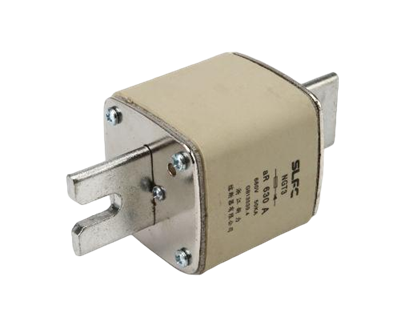
Can a loose wire in the electrical system cause an automotive fuse to blow? This is a question that often troubles many car owners and automotive technicians. As an Automotive Fuse supplier, we have in - depth knowledge of this topic and are eager to share our insights.


Understanding the Basics of Automotive Electrical Systems
Before delving into whether a loose wire can cause a fuse to blow, it's essential to understand the fundamental components of an automotive electrical system. The electrical system in a vehicle is a complex network that powers various components, from the ignition system to the lights, radio, and more. At the heart of this system are fuses, which act as safety devices. A fuse is designed to protect the electrical circuits from excessive current. When the current flowing through a circuit exceeds the rated capacity of the fuse, the fuse element melts, breaking the circuit and preventing damage to the electrical components.
The Role of Wires in the Electrical System
Wires are the conduits that carry electrical current throughout the vehicle. They connect different components, allowing the flow of electricity. However, wires are subject to wear and tear over time. Vibration, heat, and physical damage can all contribute to a wire becoming loose. A loose wire can disrupt the normal flow of electricity in several ways.
How a Loose Wire Can Affect the Current Flow
One of the primary ways a loose wire can impact the electrical system is by increasing resistance. According to Ohm's Law (V = IR, where V is voltage, I is current, and R is resistance), when the resistance (R) increases, and the voltage (V) remains relatively constant, the current (I) flowing through the circuit can fluctuate. In some cases, a loose wire can cause intermittent high - resistance connections. When this occurs, the current may surge in an attempt to overcome the increased resistance.
For example, imagine a wire that is supposed to connect a headlight to the power source. If the wire becomes loose, the connection between the wire and the terminal may not be perfect. As a result, the resistance at the connection point increases. When the driver turns on the headlights, the electrical current has to work harder to pass through this high - resistance connection. This can lead to a sudden spike in current, which may exceed the rated capacity of the fuse protecting the headlight circuit.
Overheating and Arc Generation
Another consequence of a loose wire is overheating. When current flows through a high - resistance connection, it generates heat. The heat can further damage the wire insulation and exacerbate the problem. In extreme cases, the heat can cause the wire to melt or even start a fire. Additionally, a loose wire can create an arc. An arc is a discharge of electricity across a gap in the circuit. Arcing can cause rapid changes in current flow, leading to short - term spikes in current that can blow the fuse.
Real - World Examples
In the automotive industry, there are numerous real - world examples of loose wires causing fuses to blow. For instance, in older vehicles, the wiring harnesses may deteriorate over time, leading to loose connections. A loose wire in the fuel pump circuit can cause the fuel pump fuse to blow. When the wire connection is loose, the fuel pump may not receive a consistent power supply. The intermittent power supply can cause the fuel pump to draw more current than normal, ultimately blowing the fuse.
Preventive Measures and Our Product Offerings
As an Automotive Fuse supplier, we understand the importance of preventing fuse failures caused by loose wires. Regular vehicle maintenance is crucial. Inspecting the wiring harnesses for signs of wear, damage, or loose connections can help identify potential problems before they cause a fuse to blow.
We offer a wide range of high - quality fuses, including Automotive Fuse and Fuse Electric Vehicle. Our 150V/250V EV Car Fuse is specifically designed for electric vehicles, providing reliable protection for the electrical systems in these advanced cars. These fuses are manufactured using the latest technology and high - quality materials to ensure they can withstand the rigors of automotive use.
Conclusion and Call to Action
In conclusion, a loose wire in the electrical system can indeed cause an automotive fuse to blow. The increased resistance, overheating, and arcing associated with loose wires can lead to current spikes that exceed the fuse's rated capacity. As an Automotive Fuse supplier, we are committed to providing our customers with the best - in - class fuses to protect their vehicles' electrical systems.
If you are in the market for high - quality automotive fuses, we invite you to contact us for a detailed discussion about your specific needs. Our team of experts is ready to assist you in selecting the right fuses for your vehicles. Whether you are an automotive manufacturer, a repair shop, or an individual car owner, we have the products and knowledge to meet your requirements.
References
- "Automotive Electrical and Electronic Systems" by William H. Crouse and Donald L. Anglin.
- Ohm's Law: A fundamental principle in electrical engineering, widely covered in textbooks such as "Fundamentals of Electric Circuits" by Charles K. Alexander and Matthew N. O. Sadiku.