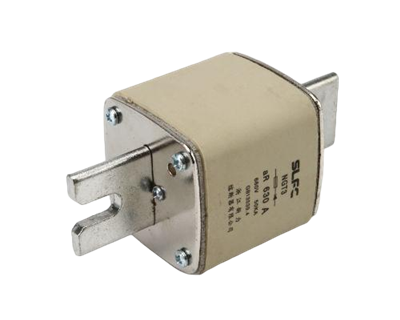
Hey there, fellow solar energy enthusiasts! As a PV Fuse 1000V supplier, I often get asked this burning question: Can a PV Fuse 1000V be used in AC - coupled PV systems? Well, let's dive right into it and break it down in simple terms.
First off, let's understand the basics. PV fuses, like our 1000VDC GPV Fuse, are designed to protect photovoltaic (PV) systems from over - current situations. They're a crucial safety component, ensuring that in case of a fault, the electrical circuit gets interrupted before any serious damage occurs.
Now, AC - coupled PV systems are a bit different from their DC - coupled counterparts. In an AC - coupled system, the PV panels are connected to an inverter that converts the DC power generated by the panels into AC power. This AC power can then be used directly in the building or fed back into the grid.
The main difference between DC and AC lies in the nature of the current. DC, or direct current, flows in one direction, while AC, or alternating current, changes direction periodically. This difference has implications for how fuses work.
A PV Fuse 1000V is typically rated for DC applications. It's designed to handle the specific characteristics of DC current, such as the continuous flow and the potential for high - energy arcs in case of a fault. When it comes to using it in an AC - coupled system, there are a few things to consider.
One of the key factors is the voltage rating. A 1000V PV fuse is rated for a maximum DC voltage of 1000V. In an AC - coupled system, the voltage characteristics are different. The RMS (root - mean - square) value of an AC voltage is what's commonly used for rating electrical components. For example, a 230V AC supply has an RMS value of 230V, but the peak voltage can be much higher. So, you need to make sure that the fuse can handle the peak voltages in the AC - coupled system.
Another important aspect is the breaking capacity. The breaking capacity of a fuse is the maximum current that it can safely interrupt without causing any damage to the surrounding components. DC arcs are generally more difficult to extinguish than AC arcs because of the continuous flow of current. A PV Fuse 1000V is designed to handle DC arcs, and its breaking capacity might not be sufficient for the AC arcs in an AC - coupled system.
However, in some cases, it might be possible to use a PV Fuse 1000V in an AC - coupled system. If the AC - coupled system has a relatively low - voltage and low - current environment, and the fuse's voltage and current ratings are well - within the limits of the system, it could potentially work. But this should be done with caution and only after a thorough analysis of the system requirements.
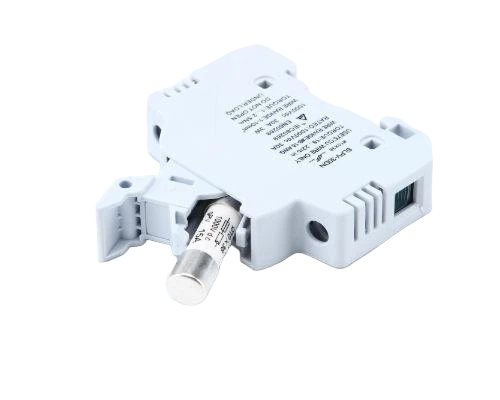
Let's talk about the practical side of things. When installing a PV Fuse 1000V in an AC - coupled system, you also need to consider the physical compatibility. The fuse holder, for example, needs to be suitable for the application. We offer DC1000V TUV RoHS GPV Fuse Holder Base and DC500V Solar Fuse Holder which are designed for DC applications. You need to make sure that they can be safely used in an AC - coupled system.
In some cases, you might need to use a different type of fuse specifically designed for AC applications. These fuses are optimized for the characteristics of AC current, such as the periodic change in direction and the different arc - extinguishing requirements. They might have different ratings and physical characteristics compared to a PV Fuse 1000V.
It's also important to follow the relevant safety standards and regulations. Electrical safety is no joke, and using the wrong fuse in an AC - coupled system can pose a serious risk of fire or electrical shock. Always consult with a qualified electrical engineer or a professional in the solar energy field before making any decisions.
Now, let's look at some real - world scenarios. Say you have a small - scale AC - coupled PV system for a residential building. The system has a relatively low power output, and the voltage and current levels are within the range that a PV Fuse 1000V can handle. In this case, with proper analysis and safety measures, it might be possible to use the fuse. However, for larger - scale commercial or industrial AC - coupled systems, it's usually recommended to use fuses specifically designed for AC applications.
Another thing to keep in mind is the cost - effectiveness. Using a PV Fuse 1000V in an AC - coupled system might seem like a cost - saving measure, but if it leads to frequent failures or safety issues, it could end up costing you more in the long run. So, it's important to weigh the pros and cons before making a decision.
In conclusion, while it might be possible to use a PV Fuse 1000V in an AC - coupled system under certain conditions, it's not a straightforward yes or no answer. You need to carefully evaluate the system requirements, including the voltage, current, breaking capacity, and safety standards. Always seek professional advice to ensure that you're making the right choice.
If you're interested in learning more about our PV Fuse 1000V products or have any questions about using them in your AC - coupled system, feel free to reach out. We're here to help you make the best decision for your solar energy project. Whether you're a DIY enthusiast or a professional installer, we've got the expertise and the products to meet your needs. So, don't hesitate to contact us for a detailed discussion and potential procurement.

References
- Solar Energy Handbook: Covers general information about PV systems and electrical components.
- Electrical Safety Standards: Provide guidelines on using fuses in different electrical systems.