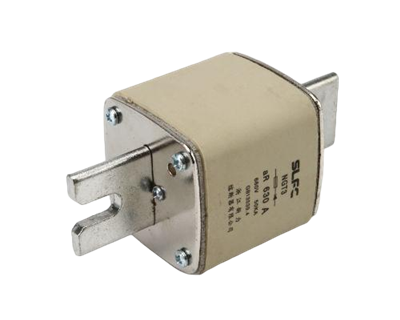
Recycling is a crucial aspect of modern manufacturing, not only for environmental protection but also for resource conservation. As a supplier of NT Fuse, I am often asked about the recycling process of these essential electrical components. In this blog, I will delve into the details of how NT Fuses are recycled, highlighting the steps involved and the importance of this process.
Understanding NT Fuses
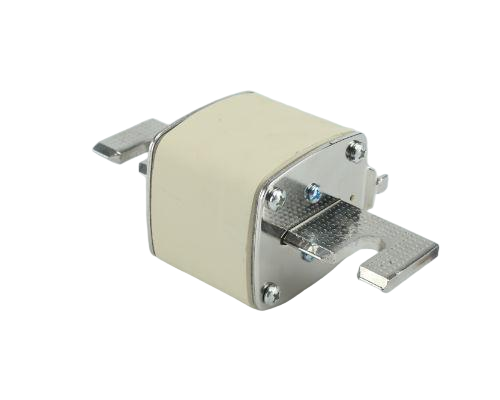
Before we dive into the recycling process, it's important to understand what NT Fuses are. NT Fuses, also known as high-rupturing capacity (HRC) fuses, are designed to protect electrical circuits from overcurrent conditions. They are commonly used in industrial applications, power distribution systems, and electrical equipment. NT Fuses come in various sizes and ratings, and they are made up of different materials, including metal, ceramic, and glass.
The Importance of Recycling NT Fuses
Recycling NT Fuses is essential for several reasons. Firstly, it helps to conserve natural resources. The materials used in NT Fuses, such as copper, silver, and ceramic, are finite resources that need to be preserved for future generations. By recycling these materials, we can reduce the demand for virgin resources and minimize the environmental impact of mining and extraction.
Secondly, recycling NT Fuses helps to reduce waste and landfill space. When NT Fuses reach the end of their useful life, they are often discarded as waste. However, these fuses can be recycled and reused, which reduces the amount of waste that ends up in landfills. This not only helps to protect the environment but also saves valuable landfill space.
Finally, recycling NT Fuses is a cost-effective solution for businesses. By recycling these fuses, companies can save money on raw materials and production costs. Additionally, recycling can help to improve a company's environmental reputation and demonstrate its commitment to sustainability.
The Recycling Process of NT Fuses
The recycling process of NT Fuses involves several steps, each of which is designed to separate and recover the different materials used in the fuses. Here is a detailed overview of the recycling process:
Step 1: Collection
The first step in the recycling process is to collect the used NT Fuses. This can be done through various methods, including direct collection from customers, collection points, or recycling centers. As a supplier of NT Fuses, we often offer a recycling service to our customers, which makes it easy for them to dispose of their used fuses in an environmentally friendly way.
Step 2: Sorting
Once the used NT Fuses have been collected, they are sorted based on their size, type, and material composition. This is an important step in the recycling process, as it helps to ensure that the different materials can be separated and recovered efficiently.
Step 3: Dismantling
After the fuses have been sorted, they are dismantled to separate the different components. This typically involves removing the metal caps, the ceramic body, and the fuse element. The dismantling process is usually done manually or using specialized equipment, depending on the size and complexity of the fuses.
Step 4: Separation
Once the fuses have been dismantled, the different components are separated using various techniques, such as magnetic separation, screening, and flotation. These techniques are designed to separate the metal, ceramic, and glass components from each other, so that they can be recycled separately.
Step 5: Recycling
After the components have been separated, they are recycled using different processes. The metal components, such as copper and silver, are typically melted down and refined to produce new metal products. The ceramic components are crushed and used as a raw material in the production of new ceramics. The glass components are also recycled and used in the production of new glass products.
Step 6: Quality Control
Once the recycled materials have been produced, they are subjected to quality control tests to ensure that they meet the required standards. This is an important step in the recycling process, as it helps to ensure that the recycled materials are of high quality and can be used in the production of new products.
The Role of Technology in NT Fuse Recycling
Technology plays a crucial role in the recycling process of NT Fuses. Advancements in recycling technology have made it possible to recover more materials from used fuses and to recycle them more efficiently. For example, new separation techniques, such as electrostatic separation and eddy current separation, have been developed to separate the different materials used in NT Fuses more effectively.
In addition, technology has also made it possible to automate the recycling process, which reduces the need for manual labor and improves the efficiency of the recycling process. For example, automated sorting systems can be used to sort the used fuses based on their size, type, and material composition, which helps to speed up the recycling process.
The Future of NT Fuse Recycling
The future of NT Fuse recycling looks promising. As the demand for sustainable and environmentally friendly products continues to grow, the need for recycling will also increase. In addition, advancements in recycling technology will make it possible to recover more materials from used fuses and to recycle them more efficiently.

In the future, we can expect to see more companies offering recycling services for NT Fuses, as well as more government regulations and incentives to encourage recycling. This will help to ensure that NT Fuses are recycled in an environmentally friendly way and that the valuable materials used in these fuses are conserved for future generations.
Conclusion
Recycling NT Fuses is an important process that helps to conserve natural resources, reduce waste, and save money. As a supplier of NT Fuses, we are committed to promoting recycling and to providing our customers with a convenient and environmentally friendly way to dispose of their used fuses.
If you are interested in learning more about our NT Fuse recycling service or if you have any questions about the recycling process, please feel free to contact us. We would be happy to discuss your needs and to provide you with more information about our products and services.
References
- "Recycling of Electrical and Electronic Equipment." European Commission.
- "The Importance of Recycling." Environmental Protection Agency.
- "Advancements in Recycling Technology." Recycling Today.