Can a PV Fuse 1000V be used in PV - heating systems?
As a supplier of PV Fuse 1000V, I often receive inquiries from customers regarding the compatibility of our fuses in various applications, especially PV - heating systems. In this blog, I will delve into the technical aspects and practical considerations to determine whether a PV Fuse 1000V can be used in PV - heating systems.
Understanding PV Fuse 1000V
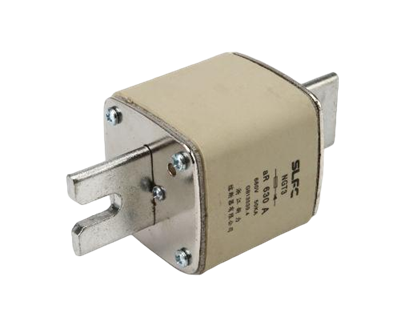
Before we discuss its applicability in PV - heating systems, let's first understand what a PV Fuse 1000V is. A PV Fuse 1000V is designed to protect photovoltaic (PV) systems from over - current conditions. It is rated to handle a maximum voltage of 1000V DC, which is a common voltage level in many PV installations. These fuses are engineered to interrupt the electrical circuit safely when the current exceeds a certain pre - determined value, thereby preventing damage to the PV modules, inverters, and other components in the system.
Our company offers a range of PV Fuse 1000V products, such as the Bolted Photovoltaic Fuse and the 500VDC 1A 2A 3A 4A 5A 6A 8A 10A 12A 15A 20A 25A 30A Solar PV Fuse. These fuses are manufactured with high - quality materials and advanced technology to ensure reliable performance in PV applications.
PV - Heating Systems Overview
PV - heating systems combine photovoltaic power generation with heating applications. The basic principle is to use the electricity generated by PV panels to power heating elements, such as electric heaters or heat pumps. These systems are becoming increasingly popular as they offer a sustainable and cost - effective way to meet heating needs.


The electrical characteristics of PV - heating systems can vary depending on factors such as the size of the PV array, the type of heating element, and the control strategy. In general, PV - heating systems operate at DC voltages, and the voltage levels can range from a few hundred volts to over 1000V DC.
Compatibility Analysis
Voltage Rating
One of the primary considerations when using a PV Fuse 1000V in a PV - heating system is the voltage rating. As mentioned earlier, a PV Fuse 1000V is rated for a maximum voltage of 1000V DC. If the operating voltage of the PV - heating system is within this range, the fuse can be used safely. However, if the system voltage exceeds 1000V DC, using a 1000V fuse can be dangerous as it may not be able to interrupt the circuit properly in the event of an over - current, leading to potential fire hazards or damage to the system components.
Current Rating
Another important factor is the current rating. The current in a PV - heating system depends on the power consumption of the heating element and the efficiency of the PV array. It is crucial to select a PV Fuse 1000V with an appropriate current rating. If the current rating of the fuse is too low, it may blow frequently during normal operation, causing unnecessary system downtime. On the other hand, if the current rating is too high, the fuse may not protect the system effectively in case of an over - current.
For example, if the heating element in a PV - heating system has a power consumption of 5000W and the operating voltage is 800V DC, the current can be calculated using the formula (I=\frac{P}{V}), where (P) is power and (V) is voltage. In this case, (I=\frac{5000}{800}=6.25A). So, a fuse with a current rating slightly higher than 6.25A, such as 8A or 10A, would be a suitable choice.
Temperature and Environmental Conditions
PV - heating systems may operate in different temperature and environmental conditions. PV fuses are designed to perform within a certain temperature range. High temperatures can affect the performance of the fuse, reducing its lifespan and potentially causing premature failure. Therefore, it is important to consider the ambient temperature of the PV - heating system location when selecting a PV Fuse 1000V.
In addition, environmental factors such as humidity, dust, and vibration can also impact the performance of the fuse. Our DC1000V TUV RoHS GPV Fuse Holder Base is designed to provide a stable and protected environment for the fuse, helping to mitigate the effects of these environmental factors.
Advantages of Using PV Fuse 1000V in PV - Heating Systems
If the PV Fuse 1000V is properly selected and installed in a PV - heating system, it can offer several advantages. Firstly, it provides reliable over - current protection, safeguarding the expensive components in the system from damage. Secondly, it helps to ensure the safety of the system by preventing electrical fires and short - circuits. Thirdly, using a high - quality PV Fuse 1000V can improve the overall efficiency and performance of the PV - heating system by reducing the risk of system failures.
Practical Considerations for Installation
When installing a PV Fuse 1000V in a PV - heating system, it is important to follow the manufacturer's installation instructions. The fuse should be installed in a location that is easily accessible for inspection and replacement. It is also recommended to use a suitable fuse holder, such as the DC1000V TUV RoHS GPV Fuse Holder Base, to ensure proper contact and heat dissipation.
In addition, regular maintenance and inspection of the fuse are necessary to ensure its continued performance. This includes checking for signs of over - heating, corrosion, or physical damage.
Conclusion
In conclusion, a PV Fuse 1000V can be used in PV - heating systems as long as the voltage and current ratings of the fuse are compatible with the system requirements. It is essential to consider factors such as voltage, current, temperature, and environmental conditions when selecting a fuse. By choosing the right PV Fuse 1000V and following proper installation and maintenance procedures, you can ensure the safety and reliability of your PV - heating system.
If you are interested in our PV Fuse 1000V products or have any questions regarding their use in PV - heating systems, please feel free to contact us for further information and to discuss your specific requirements. We are committed to providing high - quality products and professional technical support to meet your needs.
References
- "Photovoltaic Fuse Standards and Applications", IEEE Transactions on Industry Applications.
- "Design and Analysis of PV - Heating Systems", Journal of Renewable Energy.
- Manufacturer's documentation for PV Fuse 1000V products.