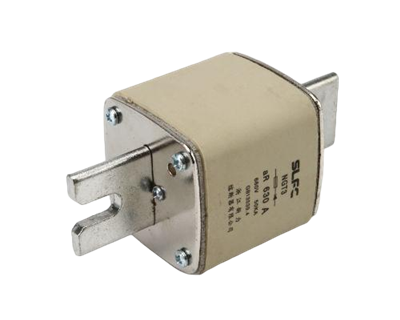
Hey there! As a supplier of RS3 Fuse, I've seen firsthand the importance of using these fuses safely. In this blog post, I'm gonna share some safety precautions when using RS3 Fuse with you.
Understanding the RS3 Fuse
Before we dive into the safety precautions, let's quickly understand what an RS3 Fuse is. The RS3 Fuse is a type of high - rupturing capacity (HRC) fuse that is widely used in electrical systems to protect circuits from over - current conditions. You can find more details about it on the RS3 Fuse Link.
1. Installation Precautions
-
Proper Rating Selection:
When installing an RS3 Fuse, it's crucial to select the right rating. The fuse rating should match the load requirements of the circuit. If you use a fuse with a rating that's too high, it won't blow when there's an over - current, and your circuit components could get damaged. On the other hand, if the rating is too low, the fuse will blow frequently, causing unnecessary disruptions. For example, if you're protecting a circuit that typically draws 20 amps, don't use a 50 - amp fuse. -
Correct Installation Location:
Install the RS3 Fuse in a location where it's easily accessible for inspection and replacement. It should also be placed away from heat sources, moisture, and flammable materials. Make sure the fuse holder is clean and in good condition before inserting the fuse. A dirty or damaged holder can cause poor contact, leading to overheating and potential fire hazards. -
Proper Insertion:
When inserting the RS3 Fuse into the holder, ensure that it's inserted correctly and firmly. A loose fuse can cause arcing, which can damage the fuse and the surrounding components. Check the manufacturer's instructions for the proper way to insert the fuse, as different types of holders may have different requirements.

2. Handling Precautions
-
Wear Protective Gear:
When handling RS3 Fuses, always wear appropriate protective gear such as insulated gloves and safety glasses. Fuses can break or shatter when they blow, and the fragments can cause injury. Insulated gloves also protect you from electrical shock in case there's a live circuit. -
Avoid Physical Damage:
Don't drop or subject the RS3 Fuse to excessive force. Physical damage can weaken the fuse and affect its performance. Even a small crack or chip can cause the fuse to fail prematurely. When transporting the fuses, use proper packaging to prevent damage. -
Keep Away from Chemicals:
Chemicals can corrode the fuse and its contacts. Keep the RS3 Fuse away from solvents, acids, and other corrosive substances. If the fuse gets contaminated, clean it with a non - abrasive, non - conductive cleaner according to the manufacturer's recommendations.
3. Operation Precautions
- Monitor the Circuit:
Regularly monitor the electrical circuit where the RS3 Fuse is installed. Look for signs of overheating, such as discoloration or a burning smell. If you notice any abnormal behavior, such as frequent fuse blowing or fluctuating current readings, it could indicate a problem with the circuit. Don't just keep replacing the fuse; instead, troubleshoot the root cause. - Avoid Overloading the Circuit:
Don't connect more electrical devices to the circuit than it can handle. Overloading the circuit can cause the current to exceed the fuse rating, leading to the fuse blowing. Make sure you know the maximum load capacity of the circuit and distribute the load evenly among different circuits if necessary.
4. Maintenance Precautions
- Regular Inspection:
Perform regular inspections of the RS3 Fuse and its holder. Check for signs of wear, corrosion, or damage. Look at the fuse element to see if it's intact. If you notice any issues, replace the fuse or the holder as soon as possible. - Cleaning:
Periodically clean the fuse and the fuse holder to remove dust, dirt, and debris. Use a soft brush or compressed air to clean the components. Make sure the circuit is de - energized before cleaning to avoid electrical shock.
Comparison with Other Fuses
You might be wondering how the RS3 Fuse compares to other types of fuses. For example, the RS0 Fuse is another type of HRC fuse. While both are used for over - current protection, the RS3 Fuse is often preferred in high - power applications due to its higher rupturing capacity. The RS3 - 600 Fuse is a specific type of RS3 Fuse with a 600 - amp rating, suitable for large - scale electrical systems.
Why Choose Our RS3 Fuses
As a supplier, we offer high - quality RS3 Fuses that meet strict industry standards. Our fuses are tested rigorously to ensure reliable performance. We also provide excellent customer service and technical support. Whether you're a small - scale electrical contractor or a large industrial facility, we can meet your fuse needs.
If you're interested in purchasing RS3 Fuses or have any questions about their safety and usage, feel free to reach out. We're here to help you make the right choice for your electrical systems. Let's have a chat about your requirements and see how our RS3 Fuses can fit into your projects.
References
- Electrical Safety Standards Handbook
- Manufacturer's Documentation for RS3 Fuse