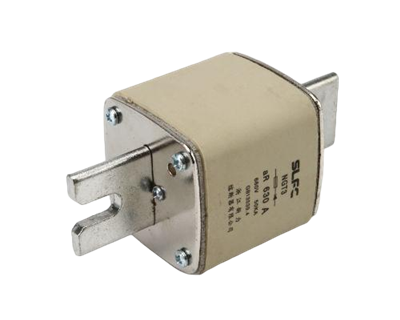
As a supplier of PV Fuse Bases, I often encounter inquiries from customers about the applicability of our products in various photovoltaic systems. One common question that has piqued my interest is whether a PV Fuse Base can be used in a mobile photovoltaic system. In this blog post, I will delve into this topic, exploring the technical aspects, advantages, and considerations of using a PV Fuse Base in a mobile PV setup.

Technical Compatibility
To understand whether a PV Fuse Base can be used in a mobile photovoltaic system, we first need to examine the technical requirements of both the fuse base and the mobile PV system. A PV Fuse Base is designed to hold a PV fuse link securely and provide a reliable electrical connection between the fuse and the circuit. It is typically rated for a specific voltage and current, which must be compatible with the electrical characteristics of the PV system.
Mobile photovoltaic systems, on the other hand, are designed to be portable and flexible, often used in off-grid applications such as RVs, boats, and portable power stations. These systems typically have lower power outputs compared to fixed PV installations, but they still require proper overcurrent protection to ensure the safety and reliability of the electrical components.
Most PV Fuse Bases are rated for high-voltage applications, such as 1500 Vdc, which is commonly used in large-scale PV installations. However, many mobile PV systems operate at lower voltages, such as 12 Vdc or 24 Vdc. In such cases, it is important to select a PV Fuse Base that is rated for the appropriate voltage and current of the mobile PV system. For example, our 1500 Vdc 10x85mm Solar PV Fuse Holder is designed for high-voltage applications, while we also offer fuse bases with lower voltage ratings for use in mobile PV systems.
Advantages of Using a PV Fuse Base in a Mobile PV System
There are several advantages to using a PV Fuse Base in a mobile photovoltaic system. Firstly, a PV Fuse Base provides overcurrent protection, which is essential for preventing damage to the PV modules, charge controllers, and other electrical components in the system. In the event of a short circuit or overload, the fuse will blow, interrupting the flow of current and protecting the system from damage.
Secondly, a PV Fuse Base is designed to be durable and reliable, even in harsh environmental conditions. Mobile PV systems are often exposed to vibrations, shocks, and temperature variations, which can affect the performance of electrical components. A high-quality PV Fuse Base is constructed from materials that are resistant to these environmental factors, ensuring long-term reliability and performance.

Thirdly, using a PV Fuse Base makes it easy to replace the fuse link when necessary. Fuse links are designed to blow when the current exceeds a certain threshold, and they need to be replaced to restore the functionality of the system. A PV Fuse Base provides a convenient and safe way to replace the fuse link, without the need for complex wiring or electrical work.
Considerations for Using a PV Fuse Base in a Mobile PV System
While there are many advantages to using a PV Fuse Base in a mobile photovoltaic system, there are also some considerations that need to be taken into account. Firstly, the size and weight of the PV Fuse Base need to be compatible with the mobile PV system. Mobile PV systems are often limited in terms of space and weight, so it is important to select a fuse base that is compact and lightweight.

Secondly, the installation location of the PV Fuse Base needs to be carefully considered. The fuse base should be installed in a location that is easily accessible for maintenance and replacement of the fuse link, but also protected from moisture, dust, and other environmental factors. It is also important to ensure that the fuse base is installed in a location that is not subject to excessive vibrations or shocks, which can cause the fuse to blow prematurely.
Thirdly, the type of fuse link used in the PV Fuse Base needs to be compatible with the electrical characteristics of the mobile PV system. Different fuse links have different ratings for current, voltage, and breaking capacity, and it is important to select a fuse link that is appropriate for the specific application. For example, our 10mmx85mm 1500V 50KA Solar PV Fuse Link is designed for high-voltage applications, while we also offer fuse links with lower ratings for use in mobile PV systems.
Conclusion
In conclusion, a PV Fuse Base can be used in a mobile photovoltaic system, provided that it is selected and installed correctly. The technical compatibility of the fuse base with the mobile PV system is essential, and it is important to consider the size, weight, installation location, and type of fuse link when making a selection. By using a high-quality PV Fuse Base, mobile PV system owners can ensure the safety and reliability of their electrical components, and enjoy the benefits of clean, renewable energy on the go.

If you are interested in learning more about our PV Fuse Base products or have any questions about using them in a mobile photovoltaic system, please do not hesitate to contact us. Our team of experts is always available to provide you with the information and support you need to make the right decision for your PV system.
References
- International Electrotechnical Commission (IEC). (2011). IEC 60269-6: Low-voltage fuses - Part 6: Supplementary requirements for fuses for photovoltaic power generation applications.
- Underwriters Laboratories (UL). (2017). UL 2579: Standard for Photovoltaic Fuses.
- National Renewable Energy Laboratory (NREL). (2020). Photovoltaic System Design and Installation Best Practices.