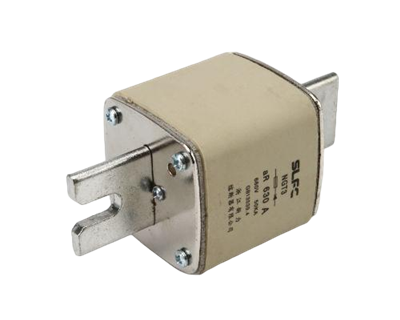
Installing a new automotive fuse correctly is a fundamental skill for any vehicle owner or enthusiast. As a trusted Automotive Fuse supplier, I understand the importance of this process and am here to guide you through it step by step. In this blog post, I'll share detailed instructions on how to install a new automotive fuse safely and effectively, ensuring your vehicle's electrical system functions optimally.
Understanding Automotive Fuses
Before we dive into the installation process, it's essential to understand what automotive fuses are and why they are crucial. Automotive fuses are safety devices designed to protect your vehicle's electrical circuits from overcurrent. When the current flowing through a circuit exceeds the fuse's rated capacity, the fuse "blows," breaking the circuit and preventing damage to the electrical components.
There are various types of automotive fuses, including blade fuses, glass tube fuses, and cartridge fuses. Blade fuses are the most common type found in modern vehicles, with different sizes and amperage ratings. It's crucial to use the correct fuse with the appropriate amperage rating for your vehicle's specific circuit. Using a fuse with a higher amperage rating can lead to overheating and potentially cause a fire, while using a lower amperage rating may result in the fuse blowing prematurely.
Tools and Materials You'll Need
To install a new automotive fuse, you'll need the following tools and materials:

- Fuse Puller: A fuse puller is a small tool designed to safely remove and install fuses. It provides a secure grip on the fuse, preventing damage to the fuse or the fuse box.
- Replacement Fuse: Make sure you have the correct replacement fuse with the appropriate amperage rating for your vehicle's circuit. You can find the amperage rating of the fuse on the fuse box cover or in your vehicle's owner's manual.
- Safety Glasses: Wearing safety glasses is essential to protect your eyes from any debris or sparks that may occur during the installation process.
- Gloves: Gloves can provide additional protection and prevent any electrical shock while handling the fuses.
Step-by-Step Guide to Installing a New Automotive Fuse
Now that you have the necessary tools and materials, let's walk through the step-by-step process of installing a new automotive fuse:
Step 1: Locate the Fuse Box
The first step is to locate the fuse box in your vehicle. The fuse box is typically located under the dashboard, in the engine compartment, or in the trunk. Refer to your vehicle's owner's manual for the exact location of the fuse box.
Step 2: Identify the Faulty Fuse
Once you've located the fuse box, open it and identify the faulty fuse. You can usually tell if a fuse is blown by looking at the metal strip inside the fuse. If the strip is broken or melted, the fuse is blown and needs to be replaced. You can also use a multimeter to test the fuse for continuity.
Step 3: Remove the Faulty Fuse
Using the fuse puller, gently grasp the faulty fuse and pull it straight out of the fuse box. Be careful not to damage the fuse or the fuse box.
Step 4: Select the Correct Replacement Fuse
Before installing the replacement fuse, make sure it has the same amperage rating as the faulty fuse. Using a fuse with the wrong amperage rating can cause serious damage to your vehicle's electrical system.

Step 5: Install the New Fuse
Insert the new fuse into the fuse box, making sure it is properly seated. Push the fuse in firmly until it clicks into place.

Step 6: Test the Circuit
Once you've installed the new fuse, test the circuit to make sure it is working properly. Turn on the electrical component that was not working before, such as the radio, headlights, or power windows. If the component is working, the installation was successful. If the component still does not work, there may be another issue with the circuit, and you should consult a professional mechanic.
Tips for Installing Automotive Fuses
- Always Refer to the Owner's Manual: Your vehicle's owner's manual contains important information about the location of the fuse box, the amperage ratings of the fuses, and the proper installation procedures. Always refer to the owner's manual before installing a new fuse.
- Use the Correct Tools: Using the correct tools, such as a fuse puller, can make the installation process easier and safer. Avoid using pliers or other tools that can damage the fuse or the fuse box.
- Be Careful When Handling Fuses: Fuses are delicate components and can be easily damaged if handled incorrectly. Always hold the fuse by the plastic ends and avoid touching the metal strip inside the fuse.
- Check for Other Issues: If a fuse blows repeatedly, there may be an underlying issue with the electrical circuit. Check for any loose connections, damaged wires, or short circuits. If you're unsure how to diagnose or fix the problem, consult a professional mechanic.
Our Automotive Fuse Products
As an Automotive Fuse supplier, we offer a wide range of high-quality fuses for various automotive applications. Our products include 150V/250V EV Car Fuse, Automotive Fuse, and Electric Vehicle Fuse Link. Our fuses are designed to meet or exceed industry standards and are tested for reliability and performance.
If you're in need of automotive fuses for your vehicle, we invite you to contact us to discuss your specific requirements. Our team of experts is available to provide you with personalized recommendations and assistance. We look forward to working with you and helping you keep your vehicle's electrical system in top condition.
References
- Vehicle Owner's Manual
- Automotive Electrical System Repair Guides