


Hey there! As a supplier of GPV Fuses, I often get asked whether GPV Fuses can protect against over - current. Well, let's dig deep into this topic and find out.
First off, what is over - current? Over - current is a situation where the current flowing through an electrical circuit exceeds the normal operating current. This can happen due to various reasons, like a short - circuit, a fault in the equipment, or an overload. When over - current occurs, it can cause a whole bunch of problems, such as overheating of wires, damage to electrical components, and in some severe cases, even start a fire.
So, how do GPV Fuses come into play? GPV Fuses are designed to be a crucial part of an electrical protection system. They work on a pretty simple principle. Inside a GPV Fuse, there's a metal strip or wire. Under normal operating conditions, this metal strip can carry the current without any issues. But when the current exceeds a certain pre - determined value (the rated current of the fuse), the metal strip heats up. And here's the key part: if the over - current situation persists, the metal strip will melt. Once it melts, the circuit is broken, and the flow of current stops. This effectively protects the rest of the electrical system from the damaging effects of over - current.
Let's talk about the different types of over - current situations and how GPV Fuses handle them.
Short - Circuit Protection
A short - circuit is one of the most dangerous types of over - current events. It happens when there's a direct connection between the live and neutral wires or between different phases in a multi - phase system. In a short - circuit, the resistance in the circuit drops to almost zero, and the current can spike to extremely high levels in a very short time. GPV Fuses are really good at dealing with short - circuits. They are designed to have a fast - acting characteristic. When a short - circuit occurs, the high current causes the fuse element to heat up and melt almost instantly. This rapid response helps prevent the high - current from causing extensive damage to the electrical equipment. For example, in a solar PV system, a short - circuit could damage the expensive solar panels and inverters. A properly rated GPV Fuse can quickly interrupt the circuit and protect these components. You can check out our 500VDC 1A 2A 3A 4A 5A 6A 8A 10A 12A 15A 20A 25A 30A Solar PV Fuse which is suitable for such applications.
Overload Protection
An overload is a less severe but still potentially harmful over - current situation. It occurs when the load connected to the circuit draws more current than the circuit is designed to handle, but not as extreme as a short - circuit. For example, if you plug too many high - power appliances into a single socket, it can cause an overload. GPV Fuses are also great for overload protection. They have a time - current characteristic. This means that the time it takes for the fuse to blow depends on the magnitude of the over - current. For a small overload, the fuse may take a relatively long time to blow, allowing for temporary increases in current. But if the overload persists, the fuse will eventually melt and break the circuit. This gives the electrical system some flexibility while still providing protection.
Now, let's look at some factors that affect the performance of GPV Fuses in over - current protection.
Temperature
The temperature of the environment where the fuse is installed can have a big impact on its performance. When the ambient temperature is high, the fuse element will heat up more easily. This means that a fuse may blow at a lower current than its rated current if the temperature is too high. On the other hand, in a cold environment, the fuse may be able to carry a slightly higher current before blowing. So, when selecting a GPV Fuse, it's important to consider the operating temperature range of the application.
Fuse Rating
Selecting the right fuse rating is crucial for effective over - current protection. If the fuse rating is too high, it won't blow when there's an over - current situation, and the electrical system won't be protected. For example, if you use a 20A fuse in a circuit that's only designed for 10A, the fuse won't blow even if the current exceeds 10A, and the components in the circuit may get damaged. On the other hand, if the fuse rating is too low, it may blow even under normal operating conditions, causing unnecessary interruptions. You need to carefully calculate the normal operating current of the circuit and select a fuse with a rating slightly higher than the normal current but low enough to protect against over - current.
Fuse Holder
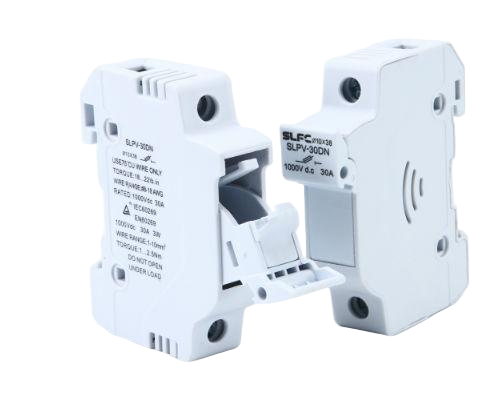
The fuse holder also plays an important role in the performance of GPV Fuses. A good quality fuse holder ensures a proper connection between the fuse and the circuit. It should be able to dissipate heat effectively and prevent any arcing or sparking. Our DC1000V Solar PV Fuse Holder Base is designed to work well with our GPV Fuses, providing a reliable and safe connection.
Compatibility with the System
GPV Fuses need to be compatible with the rest of the electrical system. This includes factors such as the voltage rating of the fuse. If the voltage rating of the fuse is lower than the system voltage, it may not be able to interrupt the circuit safely during an over - current event. Also, the type of load in the system, whether it's a resistive, inductive, or capacitive load, can affect the performance of the fuse. Different types of loads have different current - time characteristics, and the fuse needs to be selected accordingly.

Real - World Applications
GPV Fuses are widely used in many industries. In the solar PV industry, they are essential for protecting the solar panels, inverters, and other components from over - current. Our Bolted Photovoltaic Fuse is specifically designed for solar PV applications, providing reliable over - current protection in harsh outdoor environments. In industrial electrical systems, GPV Fuses are used to protect motors, transformers, and other high - power equipment. They are also used in residential electrical systems to protect household appliances and wiring.
In conclusion, GPV Fuses can definitely protect against over - current. They are a simple yet effective solution for safeguarding electrical systems from the damaging effects of over - current. However, to ensure their proper performance, it's important to select the right fuse, install it correctly, and consider the environmental and system - specific factors.
If you're in the market for high - quality GPV Fuses or need advice on over - current protection, don't hesitate to reach out. We're here to help you find the best solutions for your electrical protection needs. Whether you're working on a small residential project or a large industrial installation, we've got the products and expertise to support you. Contact us today to start a discussion about your requirements and explore how our GPV Fuses can keep your electrical systems safe.
References
- Electrical Protection Handbook, Various Authors
- Standards and Guidelines for Fuse Selection, International Electrotechnical Commission


