


In the realm of solar power systems, ensuring the safety and efficiency of the electrical components is of utmost importance. One crucial element that plays a significant role in safeguarding these systems is the solar fuse link. As a leading supplier of solar fuse links, I have witnessed firsthand the importance of these devices in protecting against various electrical hazards, including reverse current. In this blog post, I will delve into the intricacies of how a solar fuse link protects against reverse current, and why it is an essential component in any solar power installation.
Understanding Reverse Current in Solar Power Systems
Before we explore how a solar fuse link protects against reverse current, it is essential to understand what reverse current is and why it can be a problem in solar power systems. In a typical solar power system, solar panels generate direct current (DC) electricity when exposed to sunlight. This DC electricity is then converted into alternating current (AC) by an inverter, which can be used to power electrical appliances or fed back into the grid.
However, under certain circumstances, such as during a power outage or when the solar panels are producing more power than the load can consume, the flow of electricity can reverse. This reverse current can cause damage to the solar panels, inverters, and other electrical components in the system, leading to reduced efficiency, increased maintenance costs, and even safety hazards.
How a Solar Fuse Link Protects Against Reverse Current
A solar fuse link is a safety device that is designed to protect electrical circuits from overcurrent and short circuits. It consists of a metal strip or wire that melts when the current flowing through it exceeds a certain threshold, thereby interrupting the flow of electricity and preventing damage to the circuit.
In the context of protecting against reverse current, a solar fuse link is typically installed in series with the solar panels or the inverter. When reverse current flows through the circuit, the fuse link will detect the abnormal current flow and melt, breaking the circuit and preventing the reverse current from reaching the rest of the system.
The key to the effectiveness of a solar fuse link in protecting against reverse current lies in its ability to respond quickly to changes in the current flow. Most solar fuse links are designed to have a fast-acting response time, which means that they can detect and interrupt reverse current within milliseconds. This rapid response time is crucial in preventing damage to the electrical components in the system, as even a brief exposure to reverse current can cause significant harm.
Types of Solar Fuse Links for Reverse Current Protection
There are several types of solar fuse links available on the market, each with its own unique characteristics and applications. Some of the most common types of solar fuse links used for reverse current protection include:
- DC Fuse Links: These are the most commonly used type of solar fuse links and are designed to protect DC circuits in solar power systems. They are available in a variety of ratings and configurations, depending on the specific requirements of the system.
- High-Voltage Fuse Links: These are used in high-voltage solar power systems, where the voltage can exceed 1000 volts. High-voltage fuse links are designed to withstand the high voltage and current levels in these systems and provide reliable protection against reverse current.
- Fast-Acting Fuse Links: As mentioned earlier, fast-acting fuse links are designed to respond quickly to changes in the current flow and interrupt reverse current within milliseconds. These fuse links are typically used in applications where rapid protection is required, such as in solar panels and inverters.
- Time-Delay Fuse Links: Time-delay fuse links are designed to allow temporary overcurrents to flow through the circuit without melting. This is useful in applications where the electrical components may experience brief surges in current, such as during startup or when the load changes.
Benefits of Using a Solar Fuse Link for Reverse Current Protection
There are several benefits to using a solar fuse link for reverse current protection in a solar power system. Some of the key benefits include:
- Enhanced Safety: By preventing reverse current from flowing through the system, a solar fuse link helps to protect the electrical components from damage and reduces the risk of electrical fires and other safety hazards.
- Increased Efficiency: Reverse current can cause the solar panels and inverters to operate less efficiently, leading to reduced power output and increased energy costs. By protecting against reverse current, a solar fuse link helps to ensure that the system operates at its maximum efficiency, resulting in higher energy yields and lower costs.
- Longer Lifespan: The electrical components in a solar power system are expensive and have a limited lifespan. By protecting these components from damage caused by reverse current, a solar fuse link helps to extend their lifespan and reduce the need for frequent replacements.
- Compliance with Standards: Many countries and regions have strict electrical safety standards that require the use of protective devices, such as solar fuse links, in solar power systems. By using a solar fuse link, you can ensure that your system complies with these standards and avoid potential legal issues.
Choosing the Right Solar Fuse Link for Your System
When choosing a solar fuse link for your solar power system, it is important to consider several factors, including the voltage and current ratings of the system, the type of electrical components being used, and the specific requirements of the application.
As a solar fuse link supplier, I recommend working with a qualified electrical engineer or solar installer to determine the appropriate fuse link for your system. They can help you select a fuse link that meets the specific requirements of your system and ensure that it is installed correctly.
In addition to considering the technical specifications of the fuse link, it is also important to choose a high-quality product from a reputable manufacturer. Look for fuse links that are certified to meet international standards, such as UL, IEC, and TUV, and that have a proven track record of reliability and performance.
Conclusion
In conclusion, a solar fuse link is an essential component in any solar power system, as it provides crucial protection against reverse current and other electrical hazards. By understanding how a solar fuse link works and the benefits of using one, you can make an informed decision when choosing a fuse link for your system.
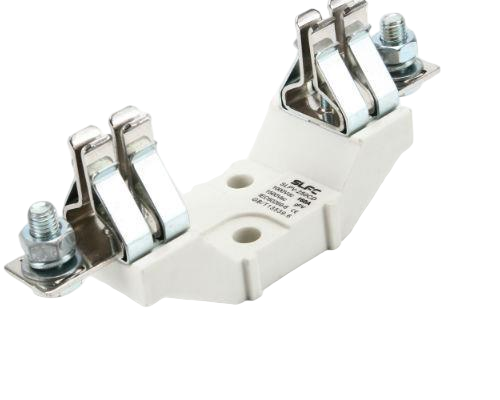
If you are in the market for a high-quality solar fuse link, I encourage you to explore our range of products, including the 1000VDC Fuse, PV Fuse Holder, and TUV Solar Fuse. Our products are designed to meet the highest standards of quality and performance, and we are committed to providing our customers with the best possible service and support.
If you have any questions or would like to discuss your specific requirements, please do not hesitate to contact us. We would be happy to help you find the right solar fuse link for your system and assist you with the installation and maintenance process.

References
- "Solar PV Fuse Selection Guide," Schneider Electric.
- "Fuse Basics," Bussmann by Eaton.
- "Electrical Safety in Solar Power Systems," International Electrotechnical Commission (IEC).


