Can GPV Fuse Protect Against Short - circuits?
As a supplier of GPV fuses, I often get asked whether GPV fuses can effectively protect against short - circuits. In this blog, I will delve into the science behind GPV fuses and their ability to safeguard electrical systems from the perils of short - circuits.
Understanding Short - circuits
Before we discuss the role of GPV fuses, it's essential to understand what a short - circuit is. A short - circuit occurs when there is an unintended low - resistance connection between two conductors in an electrical circuit. This can happen due to insulation breakdown, damaged wires, or faulty components. When a short - circuit occurs, the electrical current can increase dramatically, far beyond the normal operating levels of the circuit. This sudden surge in current can cause overheating, damage to electrical equipment, and even start fires.
How GPV Fuses Work
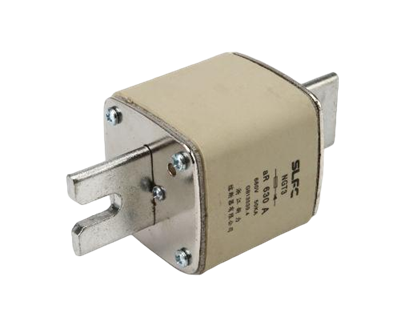
GPV fuses are specifically designed for photovoltaic (PV) systems, which are increasingly popular for generating renewable energy. These fuses are rated for high - voltage direct current (DC) applications, typically up to 1000VDC. The basic principle of a GPV fuse is simple: it contains a metal strip or wire that melts when the current flowing through it exceeds a certain value, known as the rated current.
When a short - circuit occurs in a PV system, the current can rise rapidly. The GPV fuse is engineered to detect this abnormal increase in current. As the current passes through the fuse element, the heat generated causes the metal to melt and break the circuit. This interruption of the electrical flow prevents the excessive current from reaching other components in the system, thereby protecting them from damage.
Features of GPV Fuses for Short - circuit Protection
- High Breaking Capacity: GPV fuses are designed with a high breaking capacity, which means they can safely interrupt a high - current short - circuit without causing an explosion or other dangerous situations. For example, in a large - scale PV installation, a short - circuit could result in a very high fault current. A GPV fuse with a high breaking capacity can handle this fault current and break the circuit before it causes significant damage.
- Fast - Acting: These fuses are fast - acting, which is crucial in short - circuit protection. In a short - circuit situation, every millisecond counts. A fast - acting GPV fuse can respond quickly to the sudden increase in current and melt the fuse element, interrupting the circuit in a timely manner.
- Reliability: GPV fuses are manufactured to high standards of quality and reliability. They are tested rigorously to ensure that they perform as expected under various conditions. This reliability is essential for protecting PV systems, which often operate in harsh environments, such as deserts or coastal areas.
Real - world Applications and Examples
Let's consider a real - world scenario of a PV power plant. In this plant, there are multiple PV panels connected in series and parallel to generate a large amount of electricity. If a short - circuit occurs in one of the panels or the wiring, the current can spike rapidly. Without proper protection, this short - circuit could damage the inverters, charge controllers, and other expensive equipment in the system.
However, if GPV fuses are installed at appropriate points in the circuit, they can act as a safeguard. For instance, a 1000VDC GPV Fuse can be placed at the input of each PV string. In the event of a short - circuit in a string, the fuse will blow, isolating the faulty section from the rest of the system. This not only protects the equipment but also minimizes the downtime of the power plant.
Another example is a residential PV system. In a home with a rooftop PV installation, a short - circuit could occur due to a lightning strike or a wiring fault. A Bolted Photovoltaic Fuse can be used to protect the DC side of the system. If a short - circuit happens, the fuse will break the circuit, preventing any damage to the home's electrical appliances and the PV system itself.
Complementary Components: GPV Fuse Holders
In addition to GPV fuses, DC1000V TUV RoHS GPV Fuse Holder Base are also important for short - circuit protection. These fuse holders provide a secure and reliable connection for the fuses. They are designed to withstand high - voltage and high - temperature conditions, which are common in PV systems.
The fuse holder ensures that the fuse is properly installed and that there is good electrical contact. In a short - circuit situation, the fuse holder helps to dissipate the heat generated by the fuse and provides mechanical support to prevent any movement or damage to the fuse.
Limitations and Considerations
While GPV fuses are effective in protecting against short - circuits, it's important to note that they have some limitations. For example, they are designed for specific current ratings. If a fuse with an incorrect rating is installed, it may not provide adequate protection. It's crucial to select the right fuse based on the characteristics of the PV system, such as the maximum current and voltage.
Also, GPV fuses are a one - time use device. Once a fuse has blown due to a short - circuit, it needs to be replaced. Regular maintenance and inspection of the fuses and the PV system are necessary to ensure that the protection is always in place.


Conclusion
In conclusion, GPV fuses are an essential component for protecting PV systems against short - circuits. Their high breaking capacity, fast - acting nature, and reliability make them well - suited for this task. By interrupting the circuit in the event of a short - circuit, they prevent damage to expensive equipment and ensure the safe and efficient operation of PV systems.
If you are involved in the PV industry or are considering installing a PV system, it's important to choose high - quality GPV fuses and related components. As a supplier of GPV fuses, I am committed to providing the best products and technical support. If you have any questions about GPV fuses or need assistance in selecting the right fuses for your application, please feel free to contact us for procurement and further discussions.
References
- International Electrotechnical Commission (IEC) standards for PV fuses.
- Manufacturer's datasheets for GPV fuses and related products.
- Industry reports on PV system protection and safety.