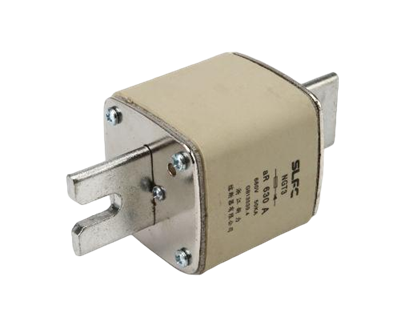
The rapid growth of the wind power generation industry has spurred continuous innovation and improvement in related electrical equipment. Among these components, fuses play a crucial role in protecting the electrical systems from over - current and short - circuit faults. As a supplier of RT18 - 63 Fuse, I am often asked whether this particular fuse can be used in a wind power generation system. In this blog, I will delve into the characteristics of the RT18 - 63 Fuse and evaluate its suitability for wind power applications.
Understanding the RT18 - 63 Fuse
The RT18 - 63 Fuse is a type of high - breaking - capacity fuse with a rated current up to 63A. It is designed to interrupt excessive currents quickly and safely, thereby protecting electrical equipment from damage. This fuse features a compact design, which makes it suitable for various electrical panels and control cabinets.


One of the key advantages of the RT18 - 63 Fuse is its high breaking capacity. In the event of a short - circuit, it can cut off the current within a very short time, preventing the excessive current from causing damage to other components in the system. Additionally, the RT18 - 63 Fuse has good thermal stability, which ensures its reliable operation under different temperature conditions.
Requirements of Wind Power Generation Systems
Wind power generation systems have unique electrical characteristics and requirements. These systems typically operate in harsh environmental conditions, including high humidity, strong winds, and large temperature variations. Therefore, the electrical components used in wind power systems need to be highly reliable and resistant to environmental factors.
In terms of electrical protection, wind power systems require fuses that can handle large inrush currents during startup and sudden short - circuit faults. The fuses should also be able to operate accurately under different load conditions to ensure the stable operation of the entire system. Moreover, due to the remote locations of many wind farms, the maintenance and replacement of fuses should be as convenient as possible.
Suitability of RT18 - 63 Fuse in Wind Power Generation Systems
Electrical Performance
The high breaking capacity of the RT18 - 63 Fuse makes it suitable for handling short - circuit faults in wind power systems. When a short - circuit occurs, the fuse can quickly interrupt the current, protecting the generator, transformers, and other electrical equipment from damage. Its good thermal stability also allows it to operate normally in the variable temperature environment of wind farms.
However, wind power systems often experience large inrush currents during startup. The RT18 - 63 Fuse needs to be carefully selected according to the specific inrush current characteristics of the system. If the rated current of the fuse is too small, it may blow during normal startup, causing unnecessary downtime. On the other hand, if the rated current is too large, it may not be able to provide effective protection in the event of a short - circuit.
Environmental Adaptability
The compact design of the RT18 - 63 Fuse makes it easy to install in the limited space of wind turbine control cabinets. It can also be equipped with appropriate enclosures to protect it from dust, moisture, and other environmental factors. However, in extremely harsh environments, additional protective measures may be required to ensure the long - term reliability of the fuse.
Maintenance and Replacement
The RT18 - 63 Fuse is relatively easy to replace, which is an important advantage in wind power systems. Since many wind farms are located in remote areas, quick and easy fuse replacement can reduce maintenance time and costs. The RT18 - 63 Base is designed to facilitate the installation and removal of the fuse, making maintenance operations more efficient.
Case Studies
There have been some successful applications of RT18 - 63 Fuses in small - scale wind power generation systems. In these cases, the fuses have effectively protected the electrical equipment from short - circuit faults and provided reliable operation. However, for large - scale wind power plants, more comprehensive testing and evaluation are needed.
For example, in a small - scale wind power project in a coastal area, the RT18 - 63 Fuses were installed in the control cabinets of the wind turbines. After several years of operation, the fuses have shown good performance, with no false tripping or other failures. The easy replacement of the fuses also made maintenance work more convenient.
Limitations and Considerations
Although the RT18 - 63 Fuse has many advantages, there are also some limitations when considering its use in wind power generation systems. As mentioned earlier, the inrush current during startup needs to be carefully considered. In addition, the RT18 - 63 Fuse may not be suitable for very high - power wind turbines, where higher - rated fuses may be required.
Another consideration is the coordination with other protective devices in the system. The RT18 - 63 Fuse should be coordinated with circuit breakers and other protective relays to ensure the overall protection performance of the system.
Conclusion
In conclusion, the RT18 - 63 Fuse has the potential to be used in wind power generation systems, especially in small - scale applications. Its high breaking capacity, good thermal stability, and easy - to - replace design make it a viable option for protecting electrical equipment in wind farms. However, careful consideration of the system's electrical characteristics, environmental conditions, and coordination with other protective devices is necessary.
If you are looking for a reliable fuse solution for your wind power generation system, the 14*51 Fuse and RT18 - 63 Fuse series from our company may be the right choice. We have rich experience in providing high - quality fuses for various electrical applications. If you have any questions or are interested in purchasing our products, please feel free to contact us for further discussion and negotiation.
References
- "Electrical Protection in Wind Power Systems", IEEE Transactions on Power Delivery
- "Fuse Selection and Application Guide", International Electrotechnical Commission (IEC)