Can NGT Fuse be used in household applications?
As a supplier of NGT fuses, I often get asked whether these fuses can be used in household applications. It's a valid question, considering the different requirements and safety standards between industrial and household electrical systems. In this blog post, I'll explore the characteristics of NGT fuses, the specific needs of household applications, and whether NGT fuses are a suitable choice for home use.
Understanding NGT Fuses
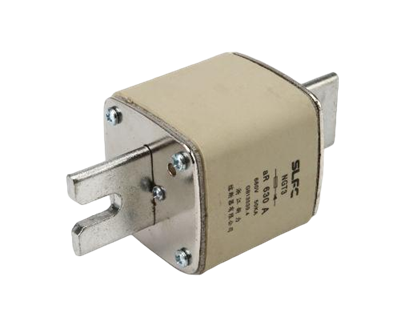
NGT fuses, also known as high - breaking - capacity fuses, are designed to protect electrical circuits from overcurrent conditions. They are typically used in industrial settings, where they can handle high short - circuit currents and provide reliable protection for expensive equipment.
One of the key features of NGT fuses is their high breaking capacity. For example, our 100KA Fuse can interrupt short - circuit currents up to 100,000 amperes. This high breaking capacity is crucial in industrial environments where large electrical loads and complex circuits are common.
Another important characteristic of NGT fuses is their fast - acting nature. They can quickly detect and interrupt overcurrent situations, preventing damage to electrical components. This is achieved through the use of special fuse elements and materials that respond rapidly to changes in current.
Household Electrical Requirements
Household electrical systems have their own set of requirements. The primary goal of a household electrical system is to provide safe and reliable power for everyday appliances and devices. The electrical loads in a home are generally much smaller compared to industrial settings.


Most household circuits are rated for relatively low currents, typically ranging from 15 to 50 amperes. These circuits are designed to power common household items such as lights, televisions, refrigerators, and washing machines. Additionally, household electrical systems are subject to strict safety regulations to protect homeowners from electrical hazards such as electric shock and fire.
Suitability of NGT Fuses for Household Applications
Advantages
- Overcurrent Protection: NGT fuses can offer excellent overcurrent protection in household applications. Their fast - acting nature ensures that in the event of a short - circuit or overload, the fuse will blow quickly, cutting off the power supply and preventing damage to appliances and wiring. For example, if a short - circuit occurs in a household appliance, an NGT fuse can interrupt the current before it causes a fire or other serious damage.
- Reliability: NGT fuses are known for their reliability. They are manufactured to high quality standards and can withstand the normal electrical fluctuations that occur in a household. This means that homeowners can have peace of mind knowing that their electrical system is protected by a reliable fuse.
Disadvantages
- Cost: NGT fuses are generally more expensive than traditional household fuses. This is due to their high - performance features and the materials used in their construction. For a homeowner on a budget, the cost of replacing traditional fuses with NGT fuses may be a deterrent.
- Compatibility: The physical size and design of NGT fuses may not be compatible with all household fuse boxes. Household fuse boxes are typically designed to accommodate specific types of fuses, and NGT fuses may not fit properly. This can make installation difficult and may require modifications to the fuse box, which can be costly and time - consuming.
- Over - Specification: In many cases, the high - breaking capacity of NGT fuses is over - specified for household applications. Since the short - circuit currents in a household are usually much lower than in industrial settings, a high - breaking - capacity fuse may not be necessary. Using an over - specified fuse can also lead to unnecessary expense.
Specific NGT Fuses and Their Potential Use in Households
- RS6 - 00 Fuse: The RS6 - 00 Fuse is a type of NGT fuse that may have some potential applications in households. It has a relatively low current rating, which makes it more suitable for protecting individual household appliances or small circuits. For example, it could be used to protect a high - power audio system or a home office equipment circuit.
- NGT2 Fuse: The NGT2 Fuse is another option. It offers a good balance between performance and cost. However, as with all NGT fuses, proper consideration must be given to its compatibility with the household electrical system.
Making the Decision
When deciding whether to use NGT fuses in household applications, homeowners should consider their specific needs and circumstances. If a homeowner has high - power appliances or a history of electrical problems, such as frequent short - circuits or overloads, an NGT fuse may be a good investment. However, for most standard households, traditional fuses may be sufficient.
It's also important to consult with a qualified electrician before making any changes to the electrical system. An electrician can assess the electrical load of the household, the condition of the existing fuse box, and provide professional advice on whether NGT fuses are a suitable choice.
Contact for Purchase and Consultation
If you're interested in learning more about NGT fuses and whether they are suitable for your household application, I encourage you to contact us. We can provide detailed information about our products, including their specifications, installation requirements, and pricing. Our team of experts is ready to assist you in making the right decision for your electrical needs. Whether you have questions about a specific fuse model or need a custom solution, we're here to help.
References
- Electrical Safety Standards for Household Appliances (National Electrical Code)
- Fuse Manufacturing and Application Guidelines (Industry Standards)
- Technical Documentation on NGT Fuses (Manufacturer's Manuals)