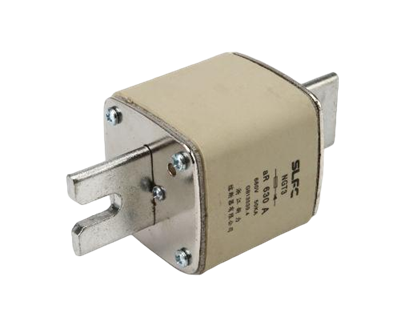
Hey there! As a supplier of NGT Fuse, I often get asked about the rated voltage of NGT Fuse. So, let's dive right into it and clear up all the confusion.
First off, what exactly is a rated voltage? Well, the rated voltage of a fuse is the maximum voltage at which the fuse can safely interrupt a fault current. It's a crucial parameter because if you use a fuse with a rated voltage lower than the system voltage, it might not be able to break the circuit properly during a fault, which can lead to all sorts of problems like electrical fires or damage to equipment.
Now, for NGT Fuses, the rated voltage can vary depending on the specific model and application. Generally speaking, NGT Fuses are available in a range of rated voltages to suit different electrical systems. Common rated voltages for NGT Fuses include 230V, 400V, 500V, and 690V.
Let's take a closer look at why these different rated voltages are important. In a low - voltage system, say a domestic electrical installation where the standard voltage is around 230V, using an NGT Fuse with a rated voltage of 230V is appropriate. This ensures that the fuse can handle the normal operating voltage and also interrupt any fault currents that might occur. If you were to use a fuse with a much higher rated voltage in such a system, it would work, but it might be over - engineered and more expensive than necessary.
On the other hand, in an industrial setting, where the electrical systems often operate at higher voltages, like 400V, 500V, or even 690V, you need NGT Fuses with corresponding rated voltages. For example, in a large manufacturing plant, the motors and other equipment might be designed to run on 400V. Using an NGT Fuse with a rated voltage of 400V will protect these components effectively. If a fault occurs, the fuse will blow and break the circuit, preventing further damage to the equipment.
One of the great things about NGT Fuses is their versatility. They can be used in a wide variety of applications, from protecting small electronic devices to safeguarding large industrial machinery. For instance, if you're looking for a fuse to protect a small control panel in a factory, you might consider the Bolted Fuse. It has a specific rated voltage and current capacity that can be tailored to the requirements of the control panel.
Another popular type of NGT Fuse is the RS6 - 00 Fuse. This fuse is known for its high - performance and reliability. It can be used in various electrical systems, and its rated voltage is carefully selected to ensure optimal protection. Whether it's a commercial building's electrical distribution system or a small - scale industrial operation, the RS6 - 00 Fuse can do the job.


The 100KA Fuse is yet another option. The "100KA" refers to its interrupting capacity, which is related to its ability to safely interrupt a high - fault current. When it comes to the rated voltage, this fuse can be available in different values to meet the needs of different electrical systems.
When choosing the right rated voltage for an NGT Fuse, there are a few factors you need to consider. First, you need to know the voltage of the electrical system where the fuse will be installed. This is usually straightforward, as most electrical systems have a standard operating voltage. Second, you need to think about the type of load the fuse will be protecting. Different loads, such as resistive, inductive, or capacitive loads, can have different electrical characteristics, and this can affect the choice of rated voltage.
For example, inductive loads, like motors, can cause voltage spikes when they are turned on or off. In such cases, you might need to choose an NGT Fuse with a slightly higher rated voltage to account for these voltage fluctuations. Capacitive loads, on the other hand, can draw high inrush currents when they are initially charged. A fuse with the right rated voltage and current - handling capacity is essential to protect the circuit.
It's also important to note that the rated voltage of an NGT Fuse is just one aspect of its performance. You also need to consider other parameters like the rated current, interrupting capacity, and time - current characteristics. The rated current determines the normal operating current that the fuse can carry without blowing, while the interrupting capacity is the maximum fault current that the fuse can safely interrupt.
The time - current characteristics of a fuse describe how quickly the fuse will blow at different levels of overcurrent. For example, a fast - acting fuse will blow quickly when there is a short - circuit or a large overcurrent, while a slow - acting fuse is designed to withstand temporary overloads without blowing.
As a supplier of NGT Fuses, I've seen firsthand how important it is to choose the right fuse for the job. Using the wrong rated voltage can lead to all sorts of problems, from frequent fuse blowing to equipment damage. That's why I'm always here to help customers make the right choice.
If you're in the market for NGT Fuses and need help determining the right rated voltage for your application, don't hesitate to reach out. Whether you're a small business owner looking to protect your electrical equipment or an electrical engineer working on a large - scale project, I can provide you with the expertise and high - quality NGT Fuses you need.
In conclusion, the rated voltage of NGT Fuse is a critical parameter that needs to be carefully considered when selecting a fuse for an electrical system. With a wide range of rated voltages available, NGT Fuses can be used in various applications, from domestic to industrial settings. By understanding the voltage requirements of your electrical system and the characteristics of the load, you can choose the right NGT Fuse to ensure the safety and reliability of your electrical equipment.
So, if you're interested in purchasing NGT Fuses or have any questions about the rated voltage or other aspects of these fuses, feel free to contact me for a detailed discussion and to start the procurement process.
References
- Electrical Engineering Handbook, various editions
- Manufacturer's specifications for NGT Fuses