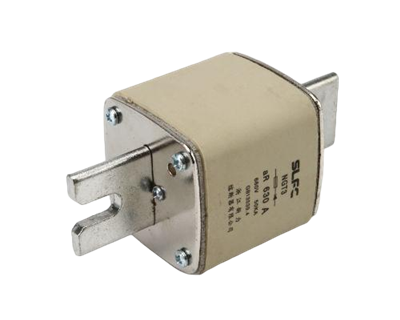
Can NT Fuse be used with transformers?
When it comes to electrical systems, transformers play a crucial role in regulating voltage and ensuring the smooth operation of various electrical equipment. At the same time, fuses are essential safety devices that protect electrical circuits from overcurrent situations. As an NT Fuse supplier, I often receive questions from clients about whether NT fuses can be used with transformers. In this blog post, I will explore this topic in-depth and provide you with a comprehensive understanding.
Understanding NT Fuses
NT fuses are a type of high breaking capacity (HBC) fuses that are widely used in industrial and commercial electrical systems. They are designed to interrupt high - fault currents quickly and safely, protecting electrical equipment from damage. NT fuses are known for their high level of performance, reliability, and long service life. They come in different ratings and sizes to meet the specific requirements of various electrical applications.
The Role of Fuses in Transformer Protection
Transformers are sensitive electrical devices that can be easily damaged by overcurrents. Overcurrent can occur due to short - circuits, overloads, or other faults in the electrical system. When an overcurrent situation happens, the excessive current flowing through the transformer can cause overheating, insulation breakdown, and even permanent damage to the transformer windings.
Fuses act as a safety mechanism in transformer circuits. They are installed in series with the transformer to detect and interrupt excessive current. When the current exceeds the rated value of the fuse, the fuse element melts, creating an open circuit and stopping the flow of current. This helps to prevent damage to the transformer and other connected electrical equipment.
Compatibility of NT Fuses with Transformers
The answer to whether NT fuses can be used with transformers is generally yes. NT fuses are suitable for transformer protection in many cases, but several factors need to be considered to ensure proper compatibility:
1. Current Rating
It is crucial to select an NT fuse with the appropriate current rating for the transformer. The current rating of the fuse should be selected based on the full - load current of the transformer. A fuse with a too - low current rating may blow under normal operating conditions, causing unnecessary downtime. On the other hand, a fuse with a too - high current rating may not provide adequate protection in case of an overcurrent situation.


2. Voltage Rating
The voltage rating of the NT fuse must match the system voltage in which the transformer is installed. Using a fuse with a lower voltage rating can lead to arcing and failure of the fuse, which may not be able to interrupt the current safely. It is essential to ensure that the fuse can withstand the maximum voltage across it during normal operation and fault conditions.
3. Short - Circuit Current Rating
Transformers can generate high short - circuit currents. The NT fuse must have a high enough short - circuit current rating to interrupt these high - fault currents safely. The short - circuit current rating of the fuse should be higher than the maximum prospective short - circuit current at the location where the fuse is installed.
4. Fuse Time - Current Characteristics
The time - current characteristics of the NT fuse should be coordinated with the transformer's overload and short - circuit characteristics. Different types of NT fuses have different time - current curves, which define the relationship between the current flowing through the fuse and the time it takes for the fuse to blow. It is important to select a fuse with a time - current characteristic that allows the transformer to withstand temporary overloads without the fuse blowing, while still providing fast protection in case of a short - circuit.
Advantages of Using NT Fuses with Transformers
1. High Breaking Capacity
NT fuses have a high breaking capacity, which means they can safely interrupt high - fault currents. This is particularly important in transformer circuits, where short - circuit currents can be very high. The ability to interrupt high - fault currents quickly helps to minimize damage to the transformer and other electrical equipment.
2. Reliability
NT fuses are known for their reliability. They are manufactured to strict quality standards and are designed to perform consistently over a long period. The use of reliable fuses ensures the continuous and safe operation of the transformer and the entire electrical system.
3. Easy Replacement
NT fuses are designed for easy replacement. In case of a blown fuse, it can be quickly and easily replaced, reducing downtime and ensuring the rapid restoration of the electrical system.
Specific NT Fuse Types for Transformer Applications
We offer a wide range of NT fuses that are suitable for transformer protection. For example, the NH4 Fuse is a high - performance fuse with a high breaking capacity. It is suitable for use in medium - to high - power transformer applications. The RS 33 Fuse is another option that provides reliable protection for transformers in various industrial settings. The NH00C Fuse is a compact fuse that can be used in smaller transformer installations where space is limited.
Guidance on Procurement and Selection
If you are considering using NT fuses with your transformers, it is important to work with a professional supplier. As an experienced NT Fuse supplier, we can provide you with expert advice on selecting the right fuse for your specific transformer application. Our team of technical experts can help you analyze your electrical system requirements, including the current rating, voltage rating, and short - circuit current rating of the fuse.
We also offer high - quality NT fuses that are manufactured to the highest standards. Our fuses undergo rigorous testing to ensure their performance and reliability. Whether you need a small quantity for a single transformer installation or a large quantity for a major industrial project, we can meet your needs.
If you are interested in purchasing NT fuses for your transformer applications, please feel free to contact us for further discussion. We look forward to working with you to provide the best fuse solutions for your electrical systems.
References
Brown, H. (2018). Electrical Protection Systems Design Guide. Wiley.
Turner, J. (2020). Fuses and Circuit Protection in Electrical Networks. Elsevier.