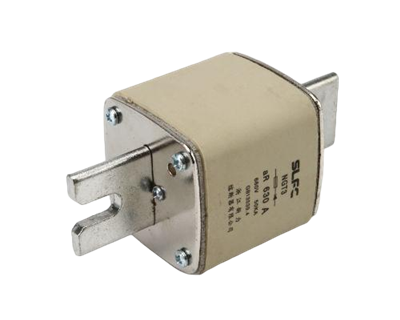
Hey there! As a supplier of EV Fuse Bases, I often get asked about the weight of these crucial components. It might seem like a simple question, but the answer involves a bunch of factors that we'll dig into right now.
First off, let's understand what an EV Fuse Base is. An Electric Vehicle Fuse Base, like the ones you can check out here, is a key part of an electric vehicle's electrical system. It holds the fuse in place, ensuring that the electrical circuit is protected from over - current situations. Think of it as a little guardian for your EV's electrical setup.
The weight of an EV Fuse Base isn't a one - size - fits - all kind of thing. There are several elements that can influence how heavy it is. One of the main factors is the material used in its construction.
Material Matters
EV Fuse Bases can be made from different materials, each with its own weight characteristics. For instance, some are made from plastic. Plastic is generally lightweight, which can be a big advantage in an electric vehicle. You see, in EVs, every bit of weight reduction counts because it can improve the vehicle's energy efficiency. A lighter EV Fuse Base made of plastic won't add much extra heft to the overall electrical system, which in turn helps the battery last a bit longer on a single charge.
On the other hand, there are EV Fuse Bases made from metal, like aluminum or brass. Metal bases are usually heavier than plastic ones. But they have their perks. Metals are more durable and can handle higher temperatures better. In high - power EV applications where there's a lot of electrical current flowing, a metal EV Fuse Base can be a better choice, even though it weighs more.
Let's talk numbers. A basic plastic EV Fuse Base might weigh anywhere from a few grams to maybe 50 grams, depending on its size and design. Meanwhile, a metal EV Fuse Base could weigh anywhere from 50 grams up to a few hundred grams. That's a pretty big difference, right?
Size and Design
Another factor that affects the weight of an EV Fuse Base is its size and design. Bigger bases will naturally weigh more than smaller ones. If an EV Fuse Base is designed to hold a larger fuse, it will need to be more substantial in size, which adds to its weight.
Also, the design features can play a role. Some EV Fuse Bases have complex designs with extra features like built - in terminals or locking mechanisms. These additional elements can increase the weight. For example, an Electric Vehicle Fuse Holder with a fancy locking system to keep the fuse securely in place will be a bit heavier than a simple, basic design.
Function and Application
The function and application of the EV Fuse Base also have an impact on its weight. In a high - voltage EV system, the fuse base needs to be more robust to handle the electrical stress. This often means using thicker materials and a more substantial construction, which leads to a higher weight.
For example, in a large electric bus or a heavy - duty electric truck, the EV Fuse Bases will be heavier compared to those used in a small electric car. The high - power requirements of these larger vehicles demand stronger and more durable fuse bases, and that comes with an increase in weight.
Why Does Weight Matter?
You might be wondering, why do we even care about the weight of an EV Fuse Base? Well, as I mentioned earlier, weight is a big deal in electric vehicles. Every extra gram can reduce the vehicle's range and efficiency.
Manufacturers are constantly looking for ways to make EVs lighter without sacrificing safety or performance. A lighter EV Fuse Base can contribute to this goal. It can also make the installation process easier. When technicians are working on an EV's electrical system, a lighter component is less of a hassle to handle and install.
Our Offerings
At our company, we offer a wide range of EV Fuse Bases. We understand that different customers have different needs. Whether you're looking for a lightweight plastic EV Fuse Holder for a small electric car or a heavy - duty metal EV Fuse Base for a high - power commercial vehicle, we've got you covered.
We've spent a lot of time researching and developing our products to ensure that they meet the highest standards of quality and performance. Our engineers are constantly working on new designs to optimize the weight of our EV Fuse Bases without compromising on their functionality.


Conclusion
So, to sum it up, the weight of an EV Fuse Base can vary widely depending on the material, size, design, and application. Plastic bases are generally lighter, while metal ones are heavier but more durable. Size and design features can also add to the weight, and the function of the base in a specific EV system plays a crucial role.
If you're in the market for EV Fuse Bases and want to learn more about our products, don't hesitate to reach out. We're here to help you find the perfect solution for your electric vehicle needs. Whether you're an EV manufacturer, a repair shop, or an enthusiast, we can provide you with high - quality EV Fuse Bases at competitive prices. Contact us today to start a conversation about your requirements and let's work together to make your EV projects a success!
References
- General knowledge about electric vehicle components and engineering principles.
- Industry reports on electric vehicle technology and development.