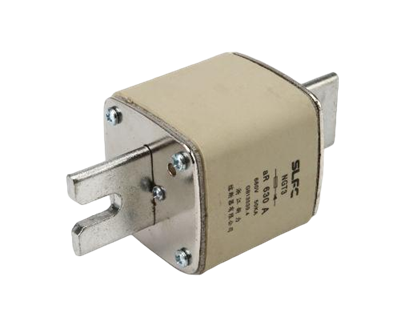
In the dynamic landscape of solar power systems, the role of PV fuses, especially the 1500V variety, is crucial for ensuring safety and efficiency. As a dedicated PV Fuse 1500V supplier, I often encounter questions from customers about whether PV Fuse 1500V can be replaced with other types of fuses. This blog aims to delve into this topic comprehensively, considering various technical, safety, and performance aspects.
Understanding PV Fuse 1500V
Before discussing replacement options, it's essential to understand what PV Fuse 1500V is and why it's used in solar power systems. PV fuses are designed to protect photovoltaic (PV) systems from over - current conditions. The 1500V rating indicates that these fuses can safely operate in systems with a maximum DC voltage of 1500V. This higher voltage rating has become increasingly popular in large - scale solar installations due to its ability to reduce power losses and installation costs by allowing for longer strings of PV panels.
For instance, our SLPV - 32L 10x85 1500Vdc 20A Solar Fuse is specifically engineered to handle the unique electrical characteristics of PV systems. It has a fast - acting response to over - current events, which helps prevent damage to PV panels, inverters, and other components in the system.
Technical Considerations for Replacement
Voltage Rating
The most critical factor when considering replacing a PV Fuse 1500V is the voltage rating. Using a fuse with a lower voltage rating in a 1500V PV system is extremely dangerous. When a fuse blows in a high - voltage system, it must be able to interrupt the circuit without arcing. A fuse with a lower voltage rating may not be able to extinguish the arc, leading to a continuous flow of current, which can cause overheating, fires, and damage to the entire PV system.
On the other hand, using a fuse with a much higher voltage rating than 1500V may seem like a safe option, but it can also have drawbacks. Higher - voltage fuses may have different physical and electrical characteristics, such as slower response times or different melting characteristics, which may not be optimized for the specific requirements of a 1500V PV system.
Current Rating
The current rating of the fuse is also vital. A fuse must be able to carry the normal operating current of the PV system without blowing. However, it should also trip quickly when an over - current condition occurs. If you replace a PV Fuse 1500V with a fuse of a different current rating, it may not provide the appropriate level of protection. For example, if you use a fuse with a higher current rating, it may not blow when there is a dangerous over - current, allowing excessive current to flow through the system and potentially causing damage.
Fuse Type
There are different types of fuses, such as fast - acting, slow - acting, and time - delay fuses. PV systems typically require fast - acting fuses because they need to respond quickly to short - circuit conditions. Replacing a fast - acting PV Fuse 1500V with a slow - acting or time - delay fuse may not be suitable, as it may not protect the system from sudden over - currents.
Safety Implications
Safety is of utmost importance in PV systems. PV Fuse 1500V is designed and tested to meet strict safety standards. When considering replacement, you must ensure that the alternative fuse also meets these standards. Using an uncertified or inappropriate fuse can void the warranty of the PV system and put the entire installation at risk.
For example, if a non - compliant fuse fails to interrupt the circuit properly during an over - current event, it can lead to electrical shock hazards for maintenance personnel and pose a fire risk to the surrounding environment.
Compatibility with PV System Components
PV systems are complex, and each component is designed to work together. The PV Fuse 1500V is an integral part of this system. When replacing it, you need to consider its compatibility with other components, such as the PV panels, inverters, and PV Fuse Base.
The physical dimensions of the fuse must match the fuse base. If the replacement fuse does not fit properly in the base, it can lead to poor electrical connections, which can cause overheating and premature failure of the fuse. Additionally, the electrical characteristics of the fuse should be compatible with the input requirements of the inverter. An incompatible fuse may cause the inverter to malfunction or operate inefficiently.
Cost - Benefit Analysis
In some cases, customers may consider replacing PV Fuse 1500V with other types of fuses to save costs. However, it's important to weigh the short - term cost savings against the long - term risks and costs. A cheaper, non - suitable fuse may lead to system failures, which can result in costly repairs, downtime, and lost energy production.
Moreover, using a non - compliant fuse may also lead to legal and insurance issues. Insurance companies may not cover damages caused by the use of uncertified or inappropriate fuses.
When Replacement May Be Considered
There are some situations where replacement of PV Fuse 1500V with other types of fuses may be considered, but only after careful evaluation. For example, if a particular type of PV Fuse 1500V is temporarily out of stock, and there is an immediate need to restore the PV system. In such cases, you should consult with a qualified electrical engineer or the PV system manufacturer to ensure that the alternative fuse meets the minimum requirements for safety and performance.
Another scenario could be when upgrading a PV system. If the system is being upgraded to a lower voltage or has different electrical characteristics, it may be possible to use a different type of fuse. However, this should be done as part of a comprehensive system upgrade plan, with all components being evaluated and potentially replaced to ensure compatibility.
Conclusion
In conclusion, replacing PV Fuse 1500V with other types of fuses is a complex decision that requires careful consideration of technical, safety, and cost factors. In most cases, it is recommended to use PV Fuse 1500V that is specifically designed for PV systems.
As a PV Fuse 1500V supplier, we offer a wide range of high - quality fuses, such as the SLPV - 32L 10x85 1500Vdc 20A Solar Fuse and Fuse GPV 10x85 Solar, which are designed to meet the strict requirements of PV systems. If you are considering a replacement or have any questions about our products, we encourage you to contact us for professional advice and to discuss your procurement needs.


References
- International Electrotechnical Commission (IEC) standards for PV fuses.
- National Electrical Code (NEC) requirements for PV systems.
- Manufacturer's documentation for PV system components.