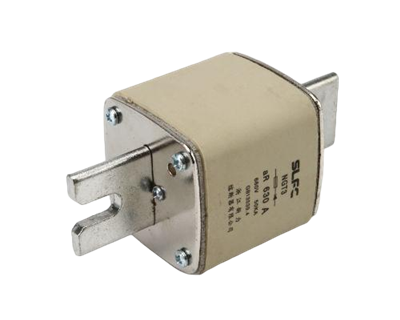
As a supplier of RT18 - 32 Fuses, I've witnessed firsthand the importance of understanding how various external factors can impact the performance of these essential electrical components. One such factor that often goes overlooked is electromagnetic interference (EMI). In this blog, I'll delve into the intricacies of how EMI affects RT18 - 32 Fuses and why it's crucial for both suppliers and end - users to be aware of these effects.
Understanding Electromagnetic Interference
Electromagnetic interference is the disturbance that affects an electrical circuit due to either electromagnetic induction or electromagnetic radiation emitted from an external source. EMI can be generated by a wide range of sources, including power lines, radio frequency transmitters, electric motors, and even lightning strikes. These interferences can manifest in different forms, such as continuous waves, pulses, or transients, and can cause significant disruptions in the normal operation of electrical devices.
How EMI Can Affect RT18 - 32 Fuses
False Tripping
One of the most common effects of EMI on RT18 - 32 Fuses is false tripping. RT18 - 32 Fuses are designed to protect electrical circuits by interrupting the current flow when it exceeds a certain rated value. However, EMI can induce spurious currents in the fuse and its associated circuitry. These induced currents can mimic an over - current condition, causing the fuse to trip even when there is no actual overload in the circuit.
For example, high - frequency electromagnetic fields from a nearby radio transmitter can couple into the electrical conductors connected to the RT18 - 32 Fuse. This coupling can create a small but significant current that the fuse may interpret as an over - current situation, leading to an unnecessary interruption of the power supply. False tripping not only disrupts the normal operation of the electrical system but can also cause wear and tear on the fuse and other components, reducing their overall lifespan.
Degradation of Fuse Performance
EMI can also lead to the degradation of the RT18 - 32 Fuse's performance over time. The electromagnetic fields associated with EMI can cause heating within the fuse element. This additional heating, combined with the normal operating temperature of the fuse, can accelerate the aging process of the fuse material. As the fuse ages, its electrical and thermal properties change, which can affect its ability to accurately detect and interrupt over - currents.
Moreover, the mechanical stress caused by the electromagnetic forces associated with EMI can lead to physical damage to the fuse. The fuse element may become deformed or weakened, reducing its ability to carry the rated current safely. In severe cases, this can result in premature failure of the fuse, leaving the electrical circuit unprotected.
Interference with Fuse Monitoring Systems
Many modern electrical systems are equipped with fuse monitoring systems that can detect the status of fuses in real - time. These systems rely on accurate electrical signals to function properly. EMI can interfere with these signals, causing false readings or complete failure of the monitoring system.
For instance, if an RT18 - 32 Fuse is part of a circuit with a monitoring system, EMI can corrupt the signals sent from the fuse to the monitoring device. This can lead to incorrect status information being displayed, such as indicating that a fuse is intact when it has actually blown or vice versa. As a result, maintenance personnel may not be aware of potential problems in the electrical system, which can pose a safety risk.
Mitigating the Effects of EMI on RT18 - 32 Fuses
Shielding
One of the most effective ways to mitigate the effects of EMI on RT18 - 32 Fuses is through shielding. Shielding involves enclosing the fuse and its associated circuitry in a conductive material that can block or reduce the penetration of electromagnetic fields. For example, using a metal enclosure around the RT18 - 32 Fuse can act as a Faraday cage, preventing EMI from reaching the fuse.
RT18 - 32 Base and RT18 - 32 1P Fuse Base can be designed with shielding features to protect the fuse from EMI. These bases can be made of conductive materials or have shielding layers incorporated into their design.
Filtering
Another approach to reducing the impact of EMI is through the use of filters. Filters can be installed in the electrical circuit to block or attenuate the unwanted electromagnetic frequencies associated with EMI. For RT18 - 32 Fuses, filters can be placed in series or parallel with the fuse to remove the high - frequency components of the EMI.
RT18 - 32 Plastic Fuse Holder can be designed to accommodate filter components. By integrating filters into the fuse holder, the overall EMI protection of the RT18 - 32 Fuse can be enhanced.
Proper Installation and Grounding
Proper installation and grounding are also crucial for minimizing the effects of EMI on RT18 - 32 Fuses. Ensuring that the fuse is installed correctly, with proper electrical connections and clearances, can reduce the likelihood of EMI coupling into the fuse. Additionally, a good grounding system can provide a path for the electromagnetic currents to flow safely to the ground, reducing their impact on the fuse.
Conclusion
As a supplier of RT18 - 32 Fuses, I understand the importance of providing high - quality products that can withstand the challenges posed by EMI. By being aware of how EMI affects RT18 - 32 Fuses and implementing appropriate mitigation strategies, we can ensure the reliable operation of electrical circuits.


If you're in need of RT18 - 32 Fuses or have questions about how to protect them from EMI, I encourage you to reach out for a procurement discussion. We're committed to providing the best solutions for your electrical protection needs.
References
- Grover, F. W. (1946). Inductance Calculations: Working Formulas and Tables. Dover Publications.
- Ott, H. W. (2009). Electromagnetic Compatibility Engineering. Wiley - Interscience.
- Paul, C. R. (2006). Introduction to Electromagnetic Compatibility. Wiley - Interscience.