Can RS3 Fuse be used in a lighting circuit?
As a supplier of RS3 fuses, I often receive inquiries from customers about the suitability of our products for various applications, especially lighting circuits. In this blog post, I will delve into the technical aspects to answer the question: Can RS3 Fuse be used in a lighting circuit?


Understanding RS3 Fuses
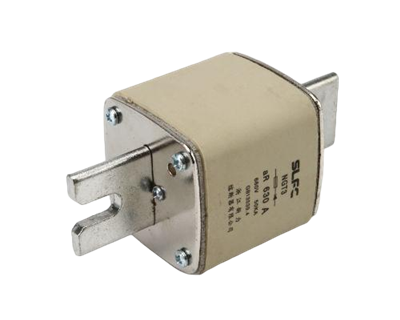
RS3 fuses are a type of high - performance fuses known for their fast - acting characteristics. They are designed to protect electrical circuits from overcurrent conditions by quickly interrupting the flow of current when it exceeds a safe level. The RS3 Fast Fuse is engineered to respond rapidly to short - circuits and excessive current surges, which helps prevent damage to electrical equipment and wiring.
These fuses are typically rated for specific voltage and current values. For example, the RS3 - 600 Fuse is rated for 600 volts, which makes it suitable for a wide range of industrial and commercial electrical systems. The fast - acting nature of RS3 fuses is achieved through their unique construction, which includes a special fuse element that melts quickly when exposed to high currents.
Requirements of Lighting Circuits
Lighting circuits have their own set of requirements. The primary goal of a lighting circuit is to provide a stable and safe supply of electricity to lighting fixtures. The current in a lighting circuit is usually relatively low, depending on the type and number of light bulbs or fixtures connected. For example, a typical incandescent light bulb may draw a few hundred milliamperes to a couple of amperes, while LED lighting fixtures generally consume even less current.
In addition to low - current requirements, lighting circuits also need to be protected from short - circuits. A short - circuit in a lighting circuit can cause a sudden and significant increase in current, which can damage the wiring, the lighting fixtures, and even pose a fire hazard. Therefore, a fuse in a lighting circuit should be able to quickly detect and interrupt the circuit in case of a short - circuit.
Suitability of RS3 Fuses for Lighting Circuits
Advantages
- Fast - acting protection: The fast - acting characteristic of RS3 fuses is a significant advantage for lighting circuits. In the event of a short - circuit, an RS3 fuse can quickly interrupt the current, preventing damage to the lighting fixtures and the wiring. For example, if a wire in a lighting fixture becomes loose and causes a short - circuit, the RS3 fuse will blow before the excessive current can cause overheating or fire.
- High - voltage rating: Many lighting circuits, especially in commercial and industrial settings, operate at relatively high voltages. RS3 fuses, such as the RS3 - 600 Fuse, have a high - voltage rating, which means they can be used in these higher - voltage lighting circuits without the risk of voltage breakdown.
Considerations
- Current rating: One of the key considerations when using an RS3 fuse in a lighting circuit is the current rating. The current rating of the fuse should be carefully selected to match the normal operating current of the lighting circuit. If the current rating of the fuse is too high, it may not blow in the event of a moderate overcurrent, which can still damage the lighting fixtures over time. On the other hand, if the current rating is too low, the fuse may blow frequently even under normal operating conditions.
- Cost - effectiveness: RS3 fuses are generally more expensive than some other types of fuses, such as the Bolt Fast Fuse. For small - scale lighting circuits in residential applications, the cost of using an RS3 fuse may not be justified. However, in commercial and industrial lighting systems where the protection of expensive lighting fixtures and the prevention of downtime are crucial, the higher cost of RS3 fuses may be acceptable.
Installation and Maintenance
When installing an RS3 fuse in a lighting circuit, it is important to follow the manufacturer's instructions. The fuse should be installed in a fuse holder that is designed to accommodate the specific type and size of the RS3 fuse. The fuse holder should be properly connected to the circuit, and all connections should be tight to ensure good electrical contact.
Regular maintenance of the lighting circuit and the fuse is also essential. The fuse should be inspected periodically for signs of damage, such as a blown fuse element or a cracked fuse body. If a fuse has blown, it should be replaced with a new fuse of the same rating. It is important not to replace a blown fuse with a higher - rated fuse, as this can compromise the safety of the lighting circuit.
Conclusion
In conclusion, RS3 fuses can be used in lighting circuits, especially in commercial and industrial settings where fast - acting protection and high - voltage ratings are required. The fast - acting nature of RS3 fuses provides excellent protection against short - circuits, which is crucial for the safety of lighting circuits. However, when using RS3 fuses in lighting circuits, careful consideration should be given to the current rating and cost - effectiveness.
If you are considering using RS3 fuses in your lighting circuits or have any questions about our products, please feel free to contact us for further information and to discuss your specific requirements. Our team of experts is always ready to assist you in making the right choice for your electrical systems.
References
- Electrical Safety Codes and Standards.
- Manufacturer's documentation for RS3 fuses.
- Technical literature on lighting circuit design and protection.