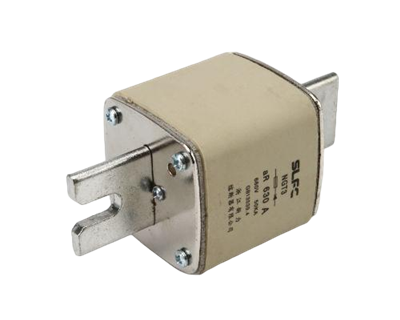
As a supplier of Solar Fuse Links, I understand the critical role these components play in the safety and efficiency of solar power systems. Maintaining solar fuse links is not only essential for the longevity of the fuses themselves but also for the overall performance of the solar installation. In this blog, I'll share some valuable insights on how to maintain solar fuse links effectively.
Understanding Solar Fuse Links
Before delving into maintenance, it's important to have a basic understanding of what solar fuse links are. Solar fuse links are safety devices designed to protect solar panels, inverters, and other components in a solar power system from overcurrent conditions. They are typically rated for high - voltage direct current (DC) applications, such as 1000VDC Fuse, and are engineered to interrupt the electrical circuit when the current exceeds a predetermined level.
Regular Visual Inspections
One of the simplest yet most effective ways to maintain solar fuse links is through regular visual inspections. These inspections should be carried out at least once a quarter, or more frequently in harsh environmental conditions.
- Check for Physical Damage: Look for any signs of physical damage, such as cracks, burns, or discoloration on the fuse link. Physical damage can indicate that the fuse has been subjected to excessive heat or mechanical stress, which may compromise its performance.
- Inspect the Terminals: Examine the terminals of the fuse link for signs of corrosion or loose connections. Corroded terminals can increase resistance, leading to overheating and potential failure of the fuse. Loose connections can also cause arcing, which is a serious safety hazard.
Cleaning the Fuse Links
Over time, dust, dirt, and other contaminants can accumulate on the surface of solar fuse links, affecting their performance. Cleaning the fuse links regularly can help prevent these issues.
- Use the Right Cleaning Agents: When cleaning solar fuse links, it's important to use non - abrasive and non - conductive cleaning agents. A mild soap solution and a soft cloth can be used to gently clean the surface of the fuse. Avoid using solvents or abrasive materials that could damage the fuse.
- Clean the Surrounding Area: In addition to cleaning the fuse links themselves, it's also important to clean the surrounding area, including the PV Fuse Holder and Solar Fuse Clip. This helps prevent the accumulation of debris that could interfere with the proper functioning of the fuse.
Monitoring the Operating Conditions
Monitoring the operating conditions of the solar power system can provide valuable insights into the health of the fuse links.
- Temperature Monitoring: High temperatures can accelerate the aging process of fuse links and reduce their lifespan. Install temperature sensors near the fuse links to monitor the temperature. If the temperature exceeds the recommended operating range, take steps to improve ventilation or reduce the load on the system.
- Current Monitoring: Continuously monitor the current flowing through the fuse links. If the current is consistently close to or above the rated capacity of the fuse, it may indicate a problem with the system, such as a short circuit or an overloaded component. In such cases, it's important to investigate and resolve the issue promptly.
Testing the Fuse Links
Periodic testing of solar fuse links can help ensure their proper functioning.
- Continuity Testing: Use a multimeter to perform continuity tests on the fuse links. A continuity test checks if the fuse is intact and conducting electricity. If the multimeter shows no continuity, it means the fuse has blown and needs to be replaced.
- Resistance Testing: Resistance testing can also be performed to check the condition of the fuse links. A significant increase in resistance compared to the manufacturer's specifications may indicate a problem with the fuse.
Replacing Worn - Out Fuse Links
Even with proper maintenance, solar fuse links will eventually wear out and need to be replaced.
- Follow the Manufacturer's Guidelines: When replacing a fuse link, always follow the manufacturer's guidelines regarding the correct type and rating of the fuse. Using an incorrect fuse can lead to safety hazards and system malfunctions.
- Proper Installation: Ensure that the new fuse link is installed correctly in the PV Fuse Holder or Solar Fuse Clip. Make sure the terminals are clean and tightened securely to prevent loose connections.
Importance of Documentation
Maintaining detailed documentation of the maintenance activities carried out on solar fuse links is crucial.
- Record Maintenance Activities: Keep a record of all inspections, cleanings, tests, and replacements of the fuse links. This documentation can help track the history of the fuses and identify any recurring issues.
- Track Warranty Information: Document the warranty information of the fuse links, including the purchase date, warranty period, and any warranty claims. This can be useful in case of a fuse failure within the warranty period.
Environmental Considerations
The environmental conditions in which solar fuse links operate can have a significant impact on their performance and lifespan.


- Protect from Harsh Weather: In areas with extreme weather conditions, such as high humidity, heavy rain, or extreme temperatures, it's important to protect the fuse links from the elements. This can be achieved by installing the fuses in a weather - proof enclosure.
- Avoid Exposure to Chemicals: Solar fuse links should be kept away from chemicals and pollutants that could cause corrosion or damage. If the fuses are installed in an industrial environment, additional protective measures may be required.
Training and Education
Proper training and education of the personnel responsible for maintaining solar fuse links are essential.
- Provide Training: Ensure that the maintenance staff is trained on the proper procedures for inspecting, cleaning, testing, and replacing solar fuse links. Training should include safety procedures, as well as the correct use of tools and equipment.
- Stay Updated: Encourage the maintenance staff to stay updated on the latest industry standards and best practices for maintaining solar fuse links. This can help ensure that the maintenance activities are carried out effectively and safely.
Conclusion
Maintaining solar fuse links is a critical aspect of ensuring the safety and efficiency of solar power systems. By following the steps outlined in this blog, including regular visual inspections, cleaning, monitoring, testing, and proper replacement, you can extend the lifespan of your solar fuse links and prevent costly system failures.
If you're in the market for high - quality solar fuse links or need more information on their maintenance, we're here to help. Our team of experts can provide you with the right products and advice to meet your specific needs. Contact us to start a procurement discussion and ensure the reliability of your solar power system.
References
- Solar Energy Industries Association (SEIA). Best Practices for Solar Power System Maintenance.
- International Electrotechnical Commission (IEC). Standards for Solar Fuse Links.