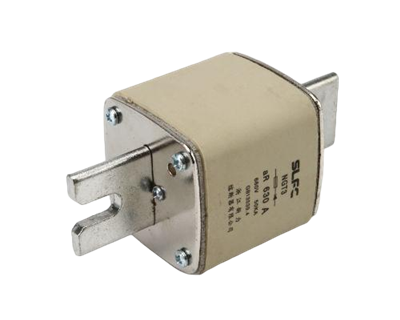
Hey there! As a supplier of RT18 - 32 Fuses, I often get asked whether these fuses can be reused after they blow. It's a pretty common question, and today, I'm gonna break it down for you.
First off, let's understand what an RT18 - 32 Fuse is. These fuses are designed to protect electrical circuits from over - current situations. When there's too much current flowing through a circuit, the fuse "blows," which means the internal conductor inside the fuse melts, breaking the circuit and preventing damage to other components.
Now, the big question: Can you reuse an RT18 - 32 Fuse after it blows? The short answer is, generally, no. And here's why.
When an RT18 - 32 Fuse blows, the internal conductor has melted. Once this happens, the physical structure of the conductor is permanently altered. It's not just a matter of the conductor breaking; the heat generated during the melting process can also cause other changes within the fuse. For example, the insulation around the conductor might have been damaged, and there could be some chemical changes in the materials due to the high - temperature event.
Reusing a blown fuse is like trying to use a broken safety net again. The whole point of a fuse is to act as a sacrificial component. When it blows, it's doing its job, protecting your valuable electrical equipment. If you put a blown fuse back into the circuit, it may not function properly when another over - current situation occurs. It might not break the circuit at the right time, which could lead to serious damage to your electrical devices, or even pose a fire hazard.
Let's talk about some of the risks associated with reusing a blown RT18 - 32 Fuse. One of the main risks is that the fuse might not have the same current - carrying capacity as it did before. The melting and re - solidification process can change the resistance of the conductor. This means that it might allow more current to pass through than it's rated for, which can cause overheating in the circuit.
Another risk is that the blown fuse might have internal damage that's not visible to the naked eye. There could be cracks in the insulation or other structural issues that could lead to short - circuits or intermittent electrical problems.


Now, I know some of you might be thinking, "But it's just a little fuse. Can't I just give it a try?" Well, I strongly advise against it. Electrical safety is no joke. A small mistake with a fuse can lead to big problems.
So, what should you do when an RT18 - 32 Fuse blows? The best thing to do is to replace it with a new one. As a supplier, I can tell you that getting a new fuse is a pretty straightforward process. And when you do replace the fuse, make sure you use the correct rating. Using a fuse with a higher or lower rating than recommended can also cause problems.
When you're replacing the fuse, you might need some accessories. For example, you might need an RT18 - 32 Plastic Fuse Holder. This holder is designed to securely hold the RT18 - 32 Fuse in place and provide proper electrical connections. There's also the RT18 - 32 1P Fuse Base, which is another important component for installing the fuse correctly. And don't forget about the RT18 - 32 Fuse Holder Base, which provides a stable foundation for the fuse and its holder.
In some rare cases, people might think they can repair a blown fuse. But this is also a bad idea. Repairing a fuse is extremely difficult and usually not worth the effort. Even if you manage to repair it, you can't be sure that it will work as it should. The safety and reliability of a repaired fuse are always in question.
As a supplier, I've seen the consequences of people trying to reuse or repair blown fuses. I've heard stories of damaged equipment, electrical fires, and even injuries. That's why I'm so passionate about spreading the word about the importance of using new fuses.
If you're in the market for RT18 - 32 Fuses or any of the related accessories, I'm here to help. I can provide you with high - quality products that meet all the necessary safety standards. Whether you're a professional electrician working on a big project or a DIY enthusiast working on a small home electrical job, I've got the right products for you.
If you have any questions about RT18 - 32 Fuses, or if you're interested in making a purchase, feel free to reach out. We can discuss your specific needs and find the best solutions for you. Remember, electrical safety starts with using the right components, and that includes using new RT18 - 32 Fuses every time one blows.
In conclusion, reusing an RT18 - 32 Fuse after it blows is a bad idea. It's not worth the risk to your electrical equipment or your safety. Always replace a blown fuse with a new one, and make sure you use the right accessories for installation.
If you're ready to take the next step and start purchasing RT18 - 32 Fuses or related products, I'm just a message away. Let's work together to keep your electrical systems safe and running smoothly.
References:
- Electrical Engineering Handbook: This comprehensive handbook provides in - depth information on electrical components, including fuses.
- Safety Standards for Electrical Equipment: These standards outline the proper use and handling of fuses to ensure safety.