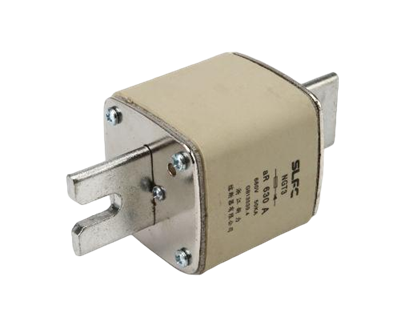
As an automotive fuse supplier, I've encountered numerous inquiries regarding the proper disposal of blown automotive fuses. This topic is not only crucial for environmental protection but also for ensuring the safety of those handling these components. In this blog, I'll share comprehensive insights on how to dispose of blown automotive fuses correctly.


Understanding the Composition of Automotive Fuses
Before delving into the disposal methods, it's essential to understand what automotive fuses are made of. Automotive fuses typically consist of a metal wire or strip that melts when excessive current flows through it, thereby protecting the electrical circuit from damage. The materials used in fuses can vary, but common ones include copper, silver, and various alloys. Some fuses also have a glass or ceramic casing.
For instance, our Automotive Fuse products are designed with high - quality materials to ensure reliable performance. The metal elements are carefully selected for their conductivity and melting characteristics, while the casings are made to withstand different environmental conditions.
Why Proper Disposal Matters
Improper disposal of blown automotive fuses can have several negative consequences. Firstly, the metals in fuses, such as copper and silver, are valuable resources. When these fuses are thrown away carelessly, these precious metals are wasted instead of being recycled. Secondly, some of the materials in fuses can be harmful to the environment. For example, if the glass or ceramic casings break and are released into the soil or water, they can cause long - term pollution.
Moreover, from a safety perspective, a blown fuse may still retain some electrical charge or have sharp edges if the casing is cracked. If not disposed of properly, it can pose a risk of electric shock or physical injury to waste collectors or others who come into contact with it.
Steps for Proper Disposal
1. Isolate and Identify the Blown Fuse
The first step is to isolate the blown fuse from the automotive electrical system. Make sure the vehicle's power is turned off before attempting to remove the fuse. Use a fuse puller or a pair of needle - nose pliers to carefully remove the fuse from its socket. Once removed, visually inspect the fuse to confirm that it is blown. A blown fuse will typically have a broken wire or a charred appearance.
2. Sorting and Storage
After identifying the blown fuse, it's important to sort it according to its type and material. If possible, separate fuses with different metal compositions or casing materials. Store the fuses in a safe and dry place until you are ready to dispose of them. You can use a small plastic container or a zip - lock bag to keep the fuses organized and prevent them from getting damaged.
3. Recycling Options
Recycling is the most environmentally friendly way to dispose of blown automotive fuses. Many recycling centers accept electronic waste, including automotive fuses. You can start by contacting your local recycling facility to check if they have a specific program for recycling fuses.
Some larger automotive parts suppliers also offer recycling services. They may collect used fuses from customers and send them to specialized recycling plants. By choosing to recycle, you contribute to the conservation of natural resources and reduce the environmental impact of fuse production.
Our company also encourages customers to recycle our products. We believe that by promoting recycling, we can create a more sustainable supply chain for Automotive Fuse and other related products.
4. Hazardous Waste Disposal
In some cases, fuses may contain hazardous materials, such as certain types of coatings or chemicals. If you are unsure whether a fuse is hazardous, it's best to contact your local environmental protection agency or a hazardous waste disposal service. They can provide guidance on how to handle and dispose of these fuses safely.
It's important to note that improper disposal of hazardous waste can result in significant fines and environmental damage. Therefore, always err on the side of caution and seek professional advice when dealing with potentially hazardous fuses.
Special Considerations for Electric Vehicle Fuses
With the increasing popularity of electric vehicles (EVs), the disposal of EV fuses has become a more prominent issue. EV fuses, such as our 150V/250V EV Car Fuse and Fuse Electric Vehicle, are designed to handle higher voltages and currents compared to traditional automotive fuses.
These fuses often contain more advanced materials and may have specific disposal requirements. When disposing of EV fuses, it's crucial to follow the manufacturer's instructions. Some EV manufacturers may have their own recycling programs or recommended disposal methods for their fuses.
Additionally, due to the higher energy storage in EV electrical systems, the risk of electrical shock is greater when handling blown EV fuses. Always wear appropriate protective gear, such as insulated gloves, when removing and disposing of these fuses.
Promoting Sustainable Practices in the Automotive Industry
As an automotive fuse supplier, we are committed to promoting sustainable practices throughout the industry. We believe that by educating our customers about proper fuse disposal, we can contribute to a more environmentally friendly automotive ecosystem.
We also strive to improve the recyclability of our products. Through research and development, we are constantly looking for ways to use more recyclable materials in our fuse manufacturing process. This not only reduces the environmental impact of our products but also makes it easier for customers to dispose of them responsibly.
Contact Us for Your Automotive Fuse Needs
If you are in the market for high - quality automotive fuses, whether it's for traditional vehicles or electric vehicles, we are here to serve you. Our Automotive Fuse, 150V/250V EV Car Fuse, and Fuse Electric Vehicle products are designed to meet the highest industry standards.
We offer a wide range of fuse options to suit different applications and requirements. Our team of experts is always ready to provide you with technical support and advice on choosing the right fuse for your vehicle. Whether you are an automotive manufacturer, a repair shop, or an individual car owner, we welcome you to contact us for more information and to discuss your procurement needs.
References
- "Automotive Electrical Systems" by William H. Crouse and Donald L. Anglin
- Local environmental protection agency guidelines on electronic waste disposal
- Manufacturer's manuals for automotive and electric vehicle fuses