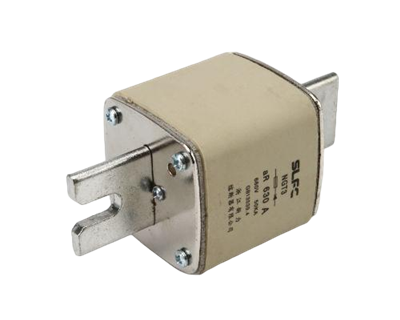
In the automotive industry, fuses play a crucial role in protecting electrical systems from damage caused by overcurrent. Among the various types of fuses available, mini fuses and standard blade fuses are two commonly used options in cars. As an Automotive Fuse supplier, I have extensive knowledge and experience in these products. In this blog, I will delve into the differences between mini fuses and standard blade fuses in cars.

Physical Dimensions
One of the most obvious differences between mini fuses and standard blade fuses lies in their physical dimensions. Standard blade fuses are larger in size compared to mini fuses. A standard blade fuse typically has a width of about 9.5mm, while a mini fuse has a width of around 6.3mm. This difference in size makes mini fuses more suitable for applications where space is limited, such as in modern cars with increasingly compact electrical systems.
The smaller size of mini fuses also allows for a higher density of fuses in a fuse box. This is particularly beneficial in vehicles with a large number of electrical components, as it enables more efficient use of space and simplifies the wiring layout. On the other hand, standard blade fuses, with their larger size, may be easier to handle during installation and replacement, especially for those who have difficulty working with small components.
Amperage Ratings
Another significant difference between mini fuses and standard blade fuses is their amperage ratings. Standard blade fuses are available in a wider range of amperage ratings compared to mini fuses. Standard blade fuses can typically handle amperage ratings from 1 amp to 40 amps or even higher in some cases. This makes them suitable for protecting high - power electrical circuits in a car, such as those powering the starter motor, alternator, or high - wattage lighting systems.

Mini fuses, on the other hand, usually have lower amperage ratings, typically ranging from 2 amps to 30 amps. They are commonly used to protect low - power electrical components, such as interior lights, radio systems, and power windows. The lower amperage ratings of mini fuses are designed to protect these sensitive components from damage caused by overcurrent, while also ensuring that the fuse blows quickly enough to prevent damage to the wiring and other parts of the electrical system.
Performance Characteristics
The performance characteristics of mini fuses and standard blade fuses also differ. Mini fuses are designed to have a faster response time compared to standard blade fuses. This means that they can detect and interrupt an overcurrent condition more quickly, which is crucial for protecting sensitive electronic components. In a car's electrical system, many modern components, such as microcontrollers and sensors, are very sensitive to overcurrent. A mini fuse can help prevent damage to these components by quickly cutting off the power when an overcurrent occurs.
Standard blade fuses, while they may have a slightly slower response time, are more robust and can handle higher inrush currents. Inrush currents are temporary spikes in current that occur when an electrical device is first turned on. For example, when a car's starter motor is engaged, there is a large inrush current as the motor starts to spin. Standard blade fuses can withstand these high inrush currents without blowing, ensuring that the electrical system continues to function properly during normal operation.
Application in Cars
The differences in physical dimensions, amperage ratings, and performance characteristics of mini fuses and standard blade fuses determine their applications in cars. Standard blade fuses are commonly used in high - power circuits that require a higher amperage rating and can tolerate a slightly slower response time. They are often found in the main power distribution circuits of a car, such as the fuse box located under the hood, which protects the engine - related electrical components.

Mini fuses, on the other hand, are widely used in the interior electrical system of a car. They are used to protect components such as the dashboard lights, air conditioning controls, and entertainment systems. The smaller size of mini fuses allows them to be installed in the fuse boxes located inside the car cabin, where space is at a premium.
Compatibility and Interchangeability
It is important to note that mini fuses and standard blade fuses are not directly interchangeable. Their different physical dimensions mean that they have different socket designs. A mini fuse will not fit into a socket designed for a standard blade fuse, and vice versa. Therefore, when replacing a fuse in a car, it is essential to use the correct type of fuse with the appropriate amperage rating.
Using the wrong type of fuse can lead to serious problems. If a mini fuse is replaced with a standard blade fuse of the wrong amperage, it may not blow when an overcurrent occurs, which can damage the electrical components. Conversely, if a standard blade fuse is replaced with a mini fuse that cannot handle the required amperage, the fuse may blow frequently, causing unnecessary interruptions in the electrical system.
Quality and Reliability
As an Automotive Fuse supplier, I understand the importance of quality and reliability in fuses. Both mini fuses and standard blade fuses need to meet strict industry standards to ensure their performance and safety. High - quality fuses are made from materials that can withstand the high temperatures and electrical stresses associated with normal operation.
When choosing fuses for a car, it is advisable to select products from a reputable supplier. A reliable supplier will have a quality control system in place to ensure that each fuse meets the required specifications. This includes testing the fuses for their amperage ratings, response times, and durability. By using high - quality fuses, car owners can reduce the risk of electrical failures and ensure the long - term reliability of their vehicles' electrical systems.
Future Trends
With the increasing electrification of vehicles, the demand for fuses, including both mini fuses and standard blade fuses, is expected to grow. In particular, the development of Fuse Electric Vehicle and Electric Vehicle Fuse Link systems requires fuses that can handle higher voltages and currents.
Manufacturers are constantly innovating to develop fuses with improved performance characteristics. For example, there is a trend towards developing fuses with faster response times and higher breaking capacities. These new fuses will be better able to protect the advanced electrical systems in modern cars, including electric and hybrid vehicles.
Conclusion
In conclusion, mini fuses and standard blade fuses have distinct differences in terms of physical dimensions, amperage ratings, performance characteristics, and applications in cars. Understanding these differences is crucial for car owners, mechanics, and automotive engineers when it comes to selecting the right fuses for a vehicle's electrical system.
As an Automotive Fuse supplier, I am committed to providing high - quality fuses that meet the diverse needs of the automotive industry. Whether you need mini fuses for your car's interior electrical components or standard blade fuses for high - power circuits, we have a wide range of products to choose from.
If you are interested in purchasing automotive fuses, I encourage you to contact us for more information. We can provide you with detailed product specifications, pricing, and technical support. Our team of experts is always ready to assist you in finding the best fuses for your specific requirements. Let's work together to ensure the safety and reliability of your vehicle's electrical system.
References
- Automotive Electrical Systems Handbook
- Fuse Manufacturing Standards and Guidelines
- Industry Reports on Automotive Fuse Market Trends