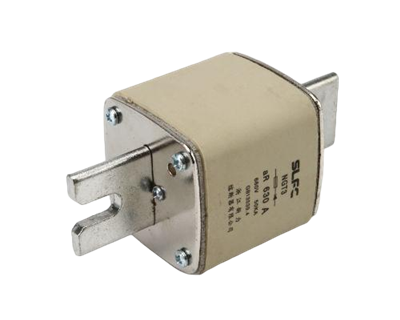
The dielectric strength of an EV (Electric Vehicle) fuse base is a critical parameter that directly impacts the safety and performance of electric vehicle electrical systems. As a leading supplier of EV Fuse Bases, I've had the privilege of delving deep into this topic and would like to share some comprehensive insights.
Understanding Dielectric Strength
Dielectric strength is defined as the maximum electric field that a dielectric material can withstand without breaking down and allowing current to flow through it. In the context of an EV fuse base, this property is crucial because it determines the fuse base's ability to insulate electrical components and prevent short - circuits. When the electric field across the dielectric material of the fuse base exceeds its dielectric strength, a phenomenon known as dielectric breakdown occurs. This can lead to arcing, overheating, and potentially catastrophic failures in the vehicle's electrical system.
Factors Affecting the Dielectric Strength of EV Fuse Bases
Material Selection
The choice of material for the EV fuse base is one of the most significant factors influencing its dielectric strength. Commonly used materials include high - performance plastics such as polycarbonate and phenolic resins. Polycarbonate is known for its excellent mechanical properties and good dielectric strength. It can withstand high - voltage applications and is resistant to impact and heat. Phenolic resins, on the other hand, offer high heat resistance and good electrical insulation properties. They are often used in applications where the fuse base may be exposed to elevated temperatures. As a supplier, we carefully select materials based on the specific requirements of the EV application, ensuring that the fuse base meets or exceeds the necessary dielectric strength standards.
Manufacturing Process
The manufacturing process also plays a vital role in determining the dielectric strength of an EV fuse base. Precision molding techniques are used to ensure that the fuse base has a uniform thickness and no internal defects. Any voids, cracks, or impurities in the material can significantly reduce the dielectric strength. For example, during the injection molding process, the temperature, pressure, and cooling rate must be carefully controlled to avoid the formation of defects. Our manufacturing facilities are equipped with state - of - the - art equipment and adhere to strict quality control measures to produce fuse bases with consistent and high dielectric strength.
Environmental Conditions
The operating environment of the EV can have a profound impact on the dielectric strength of the fuse base. Factors such as temperature, humidity, and the presence of contaminants can all degrade the dielectric properties of the material over time. High temperatures can cause the material to expand and may lead to a decrease in dielectric strength. Humidity can introduce moisture into the material, which can also reduce its insulating properties. In addition, exposure to contaminants such as dust, dirt, and chemicals can further compromise the dielectric strength. To address these issues, our EV fuse bases are designed to be robust and resistant to environmental factors. We use special coatings and seals to protect the fuse base from moisture and contaminants, and they are tested under a variety of environmental conditions to ensure reliable performance.
Importance of Dielectric Strength in EV Applications
Safety
Safety is of utmost importance in electric vehicles. The high - voltage electrical systems in EVs pose significant risks if not properly insulated. A fuse base with inadequate dielectric strength can lead to electrical arcing, which can cause fires, damage to electrical components, and endanger the lives of vehicle occupants. By ensuring that our EV fuse bases have high dielectric strength, we help to prevent these safety hazards and provide a reliable solution for the automotive industry.

Performance
In addition to safety, dielectric strength also affects the performance of the EV's electrical system. A fuse base with good dielectric strength can maintain a stable electrical insulation, which is essential for the proper functioning of the fuse. This ensures that the fuse can accurately detect and interrupt over - current conditions, protecting the electrical system from damage. A high - quality fuse base with excellent dielectric strength can also contribute to the overall efficiency of the electrical system by reducing energy losses due to leakage currents.
Testing and Certification
To guarantee the dielectric strength of our EV fuse bases, we conduct rigorous testing procedures. These tests include high - voltage withstand tests, where the fuse base is subjected to a specified high voltage for a certain period of time to ensure that it does not break down. We also perform partial discharge tests to detect any internal discharges within the material, which can be an indication of potential dielectric breakdown. Our products are certified to meet international standards such as UL (Underwriters Laboratories) and IEC (International Electrotechnical Commission) standards, which provide assurance of their quality and performance.

Our Product Range
As a supplier of EV Fuse Bases, we offer a wide range of products to meet the diverse needs of the electric vehicle industry. Our Electric Vehicle Fuse Base is designed to provide reliable insulation and support for fuses in high - voltage applications. We also offer EV Fuse Holder and Electric Vehicle Fuse Holder options, which are engineered to ensure proper fuse installation and protection. Our products are available in various sizes, configurations, and voltage ratings to accommodate different EV models and electrical system requirements.
Conclusion
The dielectric strength of an EV fuse base is a key factor in ensuring the safety and performance of electric vehicle electrical systems. Through careful material selection, precise manufacturing processes, and strict quality control, we are able to supply high - quality EV fuse bases with excellent dielectric strength. Our products are designed to withstand the harsh operating conditions of electric vehicles and are certified to meet international standards. If you are in the market for reliable EV fuse bases, we invite you to contact us for procurement and further discussions. Our team of experts is ready to assist you in finding the right solutions for your specific needs.
References
- International Electrotechnical Commission (IEC). IEC standards related to electrical insulation and high - voltage testing.
- Underwriters Laboratories (UL). UL standards for electrical components in automotive applications.
- Textbooks on electrical engineering and materials science, such as "Electricity and Magnetism" by Purcell and Morin.