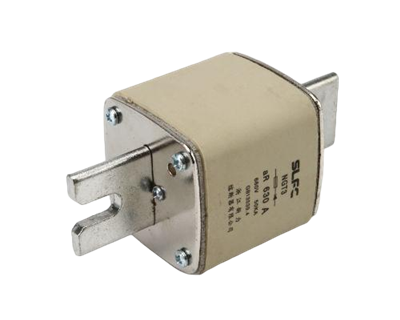
Hey there! As a supplier of RT18 - 125 Fuse, I've got a ton of knowledge about how these little guys work, especially when it comes to responding to different types of faults in a circuit. So, let's dive right in and take a closer look at what makes the RT18 - 125 Fuse such a reliable component in electrical systems.
Understanding the Basics of RT18 - 125 Fuse
First off, what's the deal with the RT18 - 125 Fuse? Well, it's a type of fuse designed to protect electrical circuits from overcurrent situations. Think of it as a safety net for your circuit. When things start to go wrong and the current gets too high, the fuse steps in to prevent damage to your equipment.
The RT18 - 125 Fuse is rated for a specific current capacity, in this case, up to 125 amps. This means it can handle normal operating currents up to that limit without a problem. But when the current exceeds this rating, the fuse will blow, breaking the circuit and stopping the flow of electricity.
How It Responds to Overload Faults
One of the most common types of faults in a circuit is an overload. This happens when the current in the circuit exceeds the normal operating level for an extended period. It could be due to a number of reasons, like too many devices being connected to the same circuit or a malfunctioning appliance drawing more power than it should.
When an overload occurs, the RT18 - 125 Fuse starts to heat up. The fuse element, which is a thin wire or strip inside the fuse, is designed to have a specific resistance. As the current increases, the heat generated by the resistance also increases. Eventually, the heat becomes so intense that the fuse element melts, breaking the circuit.
This process is not instantaneous. The RT18 - 125 Fuse has a time - current characteristic, which means it takes some time to blow depending on the magnitude of the overload. For smaller overloads, the fuse may take several seconds or even minutes to blow. This is important because it allows for temporary spikes in current that are normal in some electrical systems without causing unnecessary interruptions.


Response to Short - Circuit Faults
Short - circuit faults are a bit more serious. A short circuit occurs when there is a direct connection between the live and neutral wires in a circuit, bypassing the normal load. This creates a very low - resistance path, causing a massive surge in current.
When a short - circuit happens, the RT18 - 125 Fuse responds much more quickly. The high - current surge causes an almost immediate increase in heat in the fuse element. In a matter of milliseconds, the fuse element melts and breaks the circuit. This rapid response is crucial in preventing damage to the electrical system and reducing the risk of fire or other hazards.
Ground - Fault Response
Ground faults are another type of fault that can occur in a circuit. A ground fault happens when an electrical current leaks from the circuit to the ground, usually due to damaged insulation or a faulty connection.
The RT18 - 125 Fuse can also help protect against ground faults. When a ground fault occurs, it often causes an imbalance in the current flow. This imbalance can lead to an increase in the total current in the circuit, which the fuse will detect. Similar to an overload or short - circuit, the fuse will heat up and eventually blow if the current exceeds its rated capacity.
The Importance of Proper Fuse Selection
It's important to note that to ensure the RT18 - 125 Fuse works effectively, it needs to be properly selected for the circuit. Choosing the wrong fuse rating can lead to problems. If the fuse rating is too high, it may not blow when a fault occurs, allowing the overcurrent to damage the equipment. On the other hand, if the rating is too low, the fuse may blow even during normal operation, causing unnecessary interruptions.
Compatibility with Other Components
The RT18 - 125 Fuse is also designed to work well with other components in the electrical system. For example, it can be used in conjunction with RT18-125 Fuse Holder. The fuse holder provides a secure and reliable way to mount the fuse in the circuit. It also helps with proper heat dissipation and electrical connection.
Another related product is the 22*58 Fuse. While it may have different specifications, it can be used in similar applications depending on the requirements of the circuit.
Advantages of Using RT18 - 125 Fuse
There are several advantages to using the RT18 - 125 Fuse in your electrical systems. Firstly, it's a cost - effective solution for circuit protection. Compared to more complex protection devices, fuses are relatively inexpensive and easy to replace.
Secondly, they are very reliable. The simple design of the fuse means there are fewer components that can fail. Once installed correctly, the RT18 - 125 Fuse can provide long - term protection for your electrical circuits.
Finally, fuses are easy to install. You don't need a lot of technical knowledge to replace a blown fuse. This makes them a practical choice for both professionals and DIY enthusiasts.
Contact Us for Your Fuse Needs
If you're looking for a reliable RT18 - 125 Fuse for your electrical projects, look no further. As a supplier, we have a wide range of RT18 - 125 Fuses in stock, ready to be shipped to you. We can also provide expert advice on fuse selection and installation to ensure you get the right product for your specific needs.
Whether you're working on a small home electrical project or a large industrial application, our RT18 - 125 Fuses are up to the task. So, don't hesitate to contact us today to discuss your requirements and start your procurement process.
References
- Electrical Engineering Handbook, Third Edition
- Fuse Application Guide by the Institute of Electrical and Electronics Engineers (IEEE)