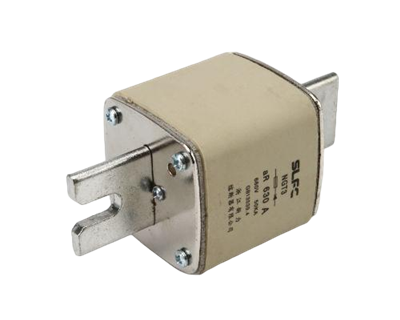
As a supplier of NH PV Fuse, I've witnessed firsthand the growing demand for reliable photovoltaic (PV) components in various environments. High - altitude areas, with their unique environmental characteristics, pose specific challenges to the performance of NH PV Fuse. In this blog, I'll explore the performance changes of NH PV Fuse in high - altitude areas and why understanding these changes is crucial for PV system operators.
Environmental Characteristics of High - Altitude Areas
High - altitude areas are characterized by lower air pressure, lower oxygen content, and larger temperature differences between day and night compared to low - altitude regions. The air pressure decreases with increasing altitude, which has a direct impact on the arc - extinguishing ability of fuses. Oxygen is essential for the combustion process, and its lower concentration at high altitudes can affect the heat dissipation and melting characteristics of the fuse element. The large temperature differences can cause thermal stress on the fuse components, potentially leading to mechanical failures over time.
Impact on Arc - Extinguishing Performance
The arc - extinguishing performance of NH PV Fuse is significantly affected by the lower air pressure in high - altitude areas. In a normal - altitude environment, the air pressure helps to cool and extinguish the arc that forms when the fuse blows. The air acts as a dielectric medium, and its density plays a crucial role in arc interruption. At high altitudes, the lower air density reduces the effectiveness of air - based arc - extinguishing mechanisms.
When the air pressure drops, the arc column becomes more difficult to cool. The arc may sustain for a longer time, which can lead to higher temperatures and more severe damage to the fuse and the surrounding PV system components. This extended arcing time can also increase the risk of short - circuits and electrical fires. To address this issue, NH PV Fuse designed for high - altitude applications often incorporate special arc - extinguishing materials and structures. These fuses are engineered to enhance the arc - quenching ability under low - pressure conditions. For example, some fuses use ceramic materials with high thermal conductivity to dissipate heat more effectively and interrupt the arc more quickly.
Influence on Heat Dissipation
Heat dissipation is another critical factor affected by high - altitude environments. In a low - altitude area, the relatively high air density allows for efficient convective heat transfer from the fuse to the surrounding air. However, at high altitudes, the lower air density reduces the convective heat transfer coefficient. This means that the fuse may not be able to dissipate heat as effectively as it would at sea level.
As a result, the operating temperature of the NH PV Fuse in high - altitude areas tends to be higher. Higher operating temperatures can accelerate the aging process of the fuse element and other internal components. The fuse element may experience increased resistance due to thermal expansion, which can further raise the temperature. Over time, this can lead to premature failure of the fuse. To mitigate this problem, our NH PV Fuse for high - altitude use are designed with larger surface areas or enhanced heat - sink structures. These features help to improve heat dissipation and keep the operating temperature within a safe range.
Effect on Mechanical Performance
The large temperature differences between day and night in high - altitude areas can cause significant thermal stress on the NH PV Fuse. Different materials within the fuse, such as the fuse element, ceramic body, and metal terminals, have different coefficients of thermal expansion. When the temperature fluctuates, these materials expand and contract at different rates, creating internal stress.
This thermal stress can lead to mechanical failures, such as cracks in the ceramic body or loose connections at the terminals. A cracked ceramic body can compromise the arc - extinguishing performance and the overall electrical insulation of the fuse. Loose terminals can increase the contact resistance, resulting in additional heat generation and potential system failures. To ensure the mechanical reliability of our NH PV Fuse in high - altitude areas, we use materials with similar coefficients of thermal expansion and employ advanced manufacturing processes to minimize internal stress.
Importance of Selecting the Right NH PV Fuse for High - Altitude Areas
Selecting the appropriate NH PV Fuse for high - altitude PV systems is of utmost importance. Using a standard fuse designed for low - altitude areas in a high - altitude environment can lead to frequent fuse failures, reduced system efficiency, and increased safety risks. A fuse that is not optimized for high - altitude conditions may not be able to interrupt the circuit effectively during a fault, which can cause extensive damage to the PV system.
On the other hand, our specially designed NH PV Fuse for high - altitude applications are tested and certified to meet the unique requirements of these environments. These fuses are engineered to provide reliable over - current protection, even under the challenging conditions of high altitudes. They offer improved arc - extinguishing performance, better heat dissipation, and enhanced mechanical stability.
Related Products and Their Compatibility
In addition to NH PV Fuse, we also offer related products such as TUV Solar Fuse and Solar Fuse Clip. The TUV Solar Fuse is a high - quality fuse that has passed TUV certification, ensuring its reliability and safety in PV systems. It can be used in combination with our NH PV Fuse to provide an extra layer of protection.
The Solar Fuse Clip is an essential accessory for installing and securing the NH PV Fuse in the PV system. It provides a stable electrical connection and mechanical support for the fuse. Our Solar Fuse Clips are designed to be compatible with our NH PV Fuse, ensuring seamless integration and optimal performance.
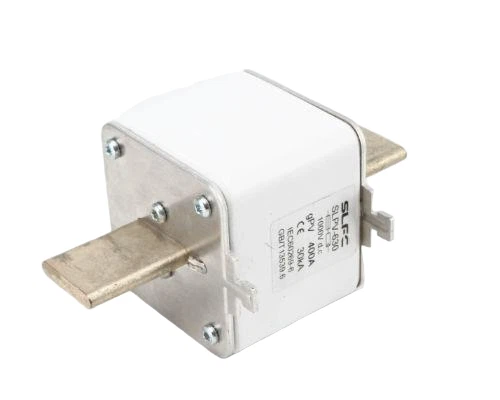

Contact Us for High - Altitude NH PV Fuse Solutions
If you are planning a PV project in a high - altitude area or need to upgrade your existing PV system with high - altitude - compatible NH PV Fuse, we are here to help. Our team of experts has extensive experience in providing customized solutions for high - altitude PV applications. We can assist you in selecting the right NH PV Fuse based on your specific requirements and the environmental conditions of your project site.
We understand the importance of reliable over - current protection in PV systems, especially in high - altitude areas where the operating conditions are more challenging. By choosing our NH PV Fuse, you can ensure the long - term stability and safety of your PV system. Contact us today to start a discussion about your procurement needs and explore how our products can meet your high - altitude PV protection requirements.
References
- IEEE Standards Association. "IEEE Standard for Photovoltaic (PV) DC Fuses."
- International Electrotechnical Commission (IEC). "IEC 60269 - 6: Low - voltage fuses - Part 6: Supplementary requirements for fuses for photovoltaic applications."
- National Renewable Energy Laboratory (NREL). "PV System Design and Installation Best Practices."