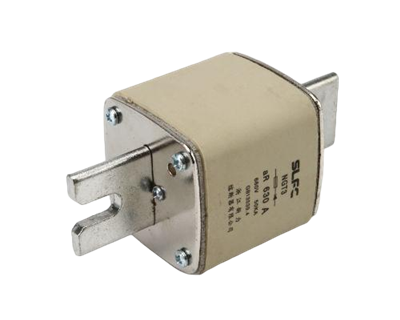
Hey there! As a supplier of PV Fuse Holders, I know how crucial it is to ensure a proper connection for these components. A well - connected PV Fuse Holder not only guarantees the safety of your solar power system but also enhances its overall efficiency. So, let's dive into some key steps and tips on how to make sure your PV Fuse Holder is properly connected.
Understanding the Basics
First off, it's important to understand what a PV Fuse Holder is and what it does. A PV Fuse Holder, like the ones you can check out here, is designed to hold a PV fuse in place. The fuse is a safety device that protects your solar panels and other components from overcurrent situations. If there's a sudden surge in current, the fuse will blow, breaking the circuit and preventing damage to your equipment.
Pre - installation Checks
Before you even start connecting the PV Fuse Holder, there are a few things you need to do.
Inspect the Fuse Holder
Take a close look at the PV Fuse Holder. Check for any visible damage, such as cracks, bent pins, or loose parts. If you notice any issues, don't use it. A damaged fuse holder can lead to poor connections and potentially cause safety hazards.
Choose the Right Fuse
Selecting the correct fuse is super important. The fuse should be rated for the specific current and voltage requirements of your solar system. You can find NH PV Fuses that are suitable for various applications. Make sure the fuse fits properly into the holder. If it's too loose or too tight, it won't work as it should.
Installation Steps
Once you've completed the pre - installation checks, it's time to start connecting the PV Fuse Holder.
Mounting the Fuse Holder
Find a suitable location to mount the PV Fuse Holder. It should be in a dry, well - ventilated area away from direct sunlight and moisture. Use the appropriate mounting hardware to secure it firmly. A loose fuse holder can vibrate and cause the connections to loosen over time.
Connecting the Wires
When connecting the wires to the PV Fuse Holder, make sure you follow the correct polarity. Usually, there are markings on the holder indicating the positive and negative terminals. Strip the ends of the wires to expose the conductor, and then insert them into the appropriate terminals. Use a screwdriver to tighten the terminal screws securely. Loose wire connections can lead to overheating and voltage drops.
Inserting the Fuse
Carefully insert the fuse into the PV Fuse Holder. Make sure it's seated properly and that there's good contact between the fuse and the holder. You can use Solar Fuse Clips to help ensure a secure fit.
Post - installation Checks
After you've connected the PV Fuse Holder, it's essential to do some final checks.
Visual Inspection
Take another look at the installation. Make sure all the wires are properly connected, the fuse is in place, and there are no loose parts. Check for any signs of damage or wear that might have occurred during the installation process.
Electrical Testing
Use a multimeter to test the electrical connections. Check the voltage across the fuse holder to make sure it's within the expected range. Also, test the continuity of the circuit to ensure that the fuse is working correctly.
Maintenance and Monitoring
Proper connection is just the beginning. To keep your PV Fuse Holder working well over time, you need to perform regular maintenance and monitoring.
Regular Inspections
Periodically inspect the PV Fuse Holder for any signs of wear, corrosion, or damage. Check the wire connections for tightness and look for any discoloration or overheating.
Fuse Replacement
If the fuse blows, replace it with a new one of the same rating. Make sure to follow the correct procedures for removing and installing the fuse.


Troubleshooting
Even with proper installation and maintenance, you might encounter some issues with your PV Fuse Holder. Here are some common problems and how to fix them.
Overheating
If the PV Fuse Holder is overheating, it could be due to a loose wire connection, a faulty fuse, or an overcurrent situation. Check the wire connections and tighten them if necessary. Replace the fuse if it's damaged. If the problem persists, there might be an issue with your solar system that needs further investigation.
Voltage Drops
A voltage drop across the fuse holder can indicate a poor connection or a high - resistance path. Check the wire connections and the fuse for any signs of damage. You might need to clean the terminals or replace the wires if they're corroded.
Importance of Professional Installation
While it's possible to install a PV Fuse Holder yourself, it's often a good idea to have a professional do it. A professional installer has the knowledge and experience to ensure that the installation is done correctly and safely. They can also perform more detailed electrical testing and troubleshooting if needed.
Conclusion
Ensuring the proper connection of a PV Fuse Holder is essential for the safety and efficiency of your solar power system. By following the steps outlined in this blog, you can install and maintain your PV Fuse Holder correctly. If you have any questions or need more information about our PV Fuse Holders, feel free to reach out to us for a procurement discussion. We're here to help you make the best choices for your solar energy needs.
References
- General knowledge of solar power systems and electrical safety.
- Industry standards and guidelines for PV Fuse Holder installation and maintenance.