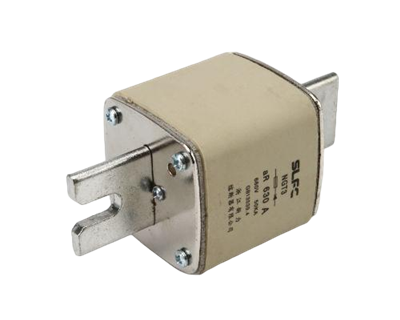
Identifying a blown 1000VDC fuse is a crucial skill, especially in high - voltage DC systems where these fuses play a vital role in protecting equipment and ensuring safety. As a 1000VDC Fuse supplier, I've witnessed firsthand the importance of being able to accurately detect a blown fuse. In this blog post, I'll share some effective methods to identify a blown 1000VDC fuse.
Visual Inspection
The first and simplest method is visual inspection. A blown fuse often shows visible signs of damage. When you look at a 1000VDC fuse, check for a broken or melted fuse element inside the glass or ceramic housing. If the fuse has a clear body, you can easily see if the thin wire or strip that conducts electricity is intact. A broken element indicates that the fuse has blown.
In some cases, the fuse may also show signs of overheating, such as a darkened or charred appearance. This can be a result of excessive current flowing through the fuse for an extended period. However, it's important to note that not all blown fuses will show obvious visual signs, especially if the break occurs deep within the fuse element or if the fuse has a non - transparent housing.
Using a Multimeter
A multimeter is a versatile tool that can be used to test the continuity of a fuse. Set the multimeter to the resistance or continuity mode. Before testing, make sure the power to the circuit is turned off to avoid any electrical hazards.


Connect the two probes of the multimeter to the two ends of the fuse. If the fuse is intact, the multimeter should show a very low resistance, close to zero ohms. This indicates that there is a continuous path for the current to flow through the fuse. On the other hand, if the fuse is blown, the multimeter will show infinite resistance, indicating a break in the circuit.
It's important to use a multimeter that is rated for high - voltage DC measurements, as a 1000VDC system requires a meter with appropriate voltage and current ratings. Using an under - rated multimeter can be dangerous and may give inaccurate readings.
Testing with a Fuse Tester
A dedicated fuse tester is another option for identifying a blown 1000VDC fuse. Fuse testers are designed specifically to test fuses and can provide a quick and accurate result.
To use a fuse tester, insert the fuse into the tester according to the manufacturer's instructions. The tester will then apply a small current through the fuse and check for continuity. If the fuse is good, the tester will indicate this with a light or a sound signal. If the fuse is blown, the tester will show a different indication, such as a lack of signal or a warning light.
Fuse testers are convenient because they are easy to use and do not require any complex settings. However, like multimeters, they also need to be rated for high - voltage DC applications to ensure accurate and safe testing.
Circuit - Level Indicators
In some high - voltage DC systems, there may be circuit - level indicators that can help identify a blown fuse. These indicators can be in the form of lights, alarms, or monitoring systems.
For example, some systems are equipped with indicator lights that will turn on when a fuse blows. This provides a visual indication of the problem and can help quickly locate the faulty fuse. Alarms can also be set up to sound when a fuse fails, alerting operators to the issue.
Monitoring systems can provide more detailed information about the status of the fuses. They can continuously monitor the current and voltage in the circuit and detect any abnormal changes that may indicate a blown fuse. These systems can also record data over time, which can be useful for troubleshooting and preventive maintenance.
Importance of Regular Inspections
Regular inspections of 1000VDC fuses are essential to ensure the proper functioning of the electrical system. Even if a fuse appears to be working fine, it may be damaged internally due to factors such as aging, overheating, or electrical surges.
By conducting regular visual inspections and testing, you can identify potential problems before they cause a major failure. This can help prevent equipment damage, downtime, and safety hazards.
Considerations for High - Voltage DC Systems
When dealing with 1000VDC fuses, there are several important considerations. High - voltage DC systems are more dangerous than low - voltage systems, so it's crucial to follow all safety procedures when working on these systems.
Always wear appropriate personal protective equipment (PPE), such as insulated gloves and safety glasses. Make sure the power to the circuit is turned off before attempting to test or replace a fuse. Additionally, be aware of the potential for electrical arcing, which can occur when working with high - voltage DC systems.
The Role of Quality Fuses
Using high - quality 1000VDC fuses is essential for the reliability and safety of the electrical system. As a 1000VDC Fuse supplier, I understand the importance of providing fuses that meet the highest standards.
Quality fuses are designed to withstand the high - voltage and high - current conditions of 1000VDC systems. They are made from high - quality materials and are manufactured using strict quality control processes. This ensures that the fuses will operate correctly when needed and will provide reliable protection for the equipment.
When choosing a 1000VDC fuse, look for products that are certified by recognized standards organizations, such as TUV. TUV Solar Fuse are designed to meet the specific requirements of solar power systems and other high - voltage DC applications.
Complementary Products
In addition to fuses, other components such as Solar Fuse Clip play an important role in the proper functioning of the electrical system. Fuse clips are used to hold the fuses in place and provide a secure electrical connection.
When selecting fuse clips, make sure they are compatible with the 1000VDC fuses and the electrical system. They should be able to withstand the high - voltage and high - current conditions of the system and should provide a reliable connection.
Conclusion
Identifying a blown 1000VDC fuse is an important skill for anyone working with high - voltage DC systems. By using a combination of visual inspection, testing tools, and circuit - level indicators, you can accurately detect a blown fuse and take appropriate action.
Regular inspections and the use of high - quality fuses and complementary products are essential for the reliability and safety of the electrical system. If you are in need of 1000VDC Fuse or have any questions about identifying or using these fuses, feel free to contact us for more information and to discuss your procurement needs.
References
- Electrical Safety Standards for High - Voltage DC Systems
- Manufacturer's Manuals for Multimeters and Fuse Testers
- Industry Best Practices for Fuse Maintenance and Inspection