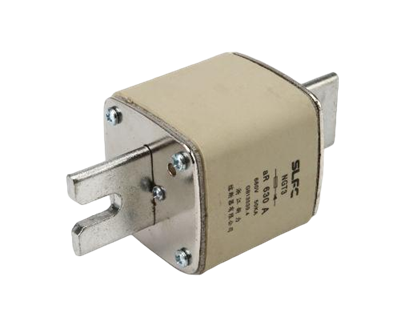
Hey there! As a supplier of RT14 Fuses, I often get asked about the short - circuit protection ability of these fuses. So, let's dive right in and break it down.
First off, what exactly is short - circuit protection? Well, a short - circuit occurs when there's an abnormal connection between two points in an electrical circuit with very low resistance. This causes a huge surge of current to flow, way more than what the circuit is designed to handle. If not stopped quickly, it can lead to overheating, damage to electrical equipment, and even start a fire. That's where the RT14 Fuse comes in.


The RT14 Fuse is a real workhorse when it comes to short - circuit protection. It's designed to detect and respond to these sudden spikes in current almost instantaneously. When a short - circuit happens, the high - current flow causes the fuse element inside the RT14 Fuse to heat up rapidly. The fuse element is made of a special material that has a specific melting point. Once the temperature reaches that melting point, the element melts, breaking the circuit and stopping the flow of current.
One of the key features that make the RT14 Fuse so effective at short - circuit protection is its high interrupting rating. The interrupting rating is the maximum amount of current that a fuse can safely interrupt without causing any damage to itself or the surrounding equipment. RT14 Fuses have a high interrupting rating, which means they can handle really large short - circuit currents. For example, in a industrial electrical system where there's a high risk of short - circuits, an RT14 Fuse can quickly and safely cut off the current, protecting the expensive machinery and preventing costly downtime.
Another important aspect is the speed of operation. In a short - circuit situation, every millisecond counts. The RT14 Fuse is engineered to operate very fast. It can detect and interrupt a short - circuit within a fraction of a second. This rapid response time helps to minimize the damage caused by the short - circuit. Imagine a large electrical panel in a commercial building. If a short - circuit occurs, the RT14 Fuse will quickly isolate the problem area, preventing the damage from spreading to other parts of the system.
Now, let's talk about the different types of RT14 Fuses and how they contribute to short - circuit protection. There are various models available, such as the ones that fit into different bases like the RT14 - 63 Fuse Base, RT14 - 20 Base, and RT14 - 32 Fuse Holder. Each of these bases and holders is designed to work in harmony with the RT14 Fuse to ensure optimal short - circuit protection.
The RT14 - 63 Fuse Base, for instance, is built to handle higher current loads. It provides a stable and secure connection for the RT14 Fuse, which is crucial for proper short - circuit protection. When a short - circuit occurs, the base helps to channel the current through the fuse in a controlled manner, allowing the fuse to do its job effectively.
The RT14 - 20 Base is more suitable for lower current applications. It's designed to be compact and efficient. Even in smaller electrical systems, short - circuits can still pose a significant risk. The RT14 - 20 Base, along with the RT14 Fuse, provides reliable short - circuit protection for these types of systems.
The RT14 - 32 Fuse Holder is another important component. It holds the RT14 Fuse in place and ensures good electrical contact. A proper electrical contact is essential for the fuse to operate correctly during a short - circuit. The holder is also designed to be durable and resistant to environmental factors, which helps to maintain the integrity of the short - circuit protection system.
In addition to the physical design, the RT14 Fuse also has excellent thermal stability. During normal operation, the fuse will generate a certain amount of heat. However, it's designed to dissipate this heat effectively so that it doesn't affect the performance of the fuse. But in a short - circuit situation, the rapid increase in current will cause a significant rise in temperature. The thermal stability of the RT14 Fuse ensures that it can withstand this sudden temperature change without failing prematurely.
When it comes to installation, the RT14 Fuse is relatively easy to install. It can be quickly and securely inserted into the appropriate base or holder. This ease of installation means that you can set up a short - circuit protection system in no time. Whether you're a professional electrician or a DIY enthusiast, you'll find that working with RT14 Fuses is straightforward.
Moreover, the RT14 Fuse is highly reliable. It's been tested and proven to work under a wide range of conditions. In harsh industrial environments where there are vibrations, high temperatures, and electrical noise, the RT14 Fuse will continue to provide reliable short - circuit protection. This reliability is crucial for businesses that depend on their electrical systems to operate smoothly.
So, if you're looking for a reliable and effective short - circuit protection solution, the RT14 Fuse is definitely a great choice. Whether you're in the industrial, commercial, or residential sector, these fuses can offer the peace of mind that your electrical system is protected from short - circuits.
If you're interested in purchasing RT14 Fuses or have any questions about their short - circuit protection ability, don't hesitate to get in touch. We're here to help you find the right solution for your specific needs. Let's start a conversation and see how we can work together to keep your electrical systems safe and running smoothly.
References
- Electrical Engineering Handbook, various editions
- Manufacturer's documentation for RT14 Fuses