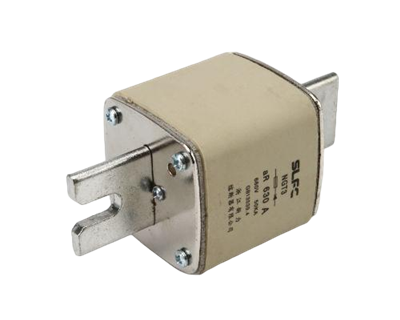
Hey there, solar enthusiasts! If you're into solar concentrator systems, you know how crucial it is to keep everything running smoothly and safely. One key component that often gets overlooked but is super important is the solar fuse link. As a solar fuse link supplier, I've seen firsthand how a properly installed fuse link can make all the difference in the performance and longevity of a solar concentrator system. In this blog, I'll walk you through the steps of installing a solar fuse link in a solar concentrator system.
Why You Need a Solar Fuse Link
Before we dive into the installation process, let's quickly talk about why you need a solar fuse link in the first place. A solar fuse link acts as a safety device in your solar concentrator system. It's designed to protect your equipment from overcurrent situations. When there's too much current flowing through the system, the fuse link will "blow," breaking the circuit and preventing damage to your expensive solar panels, inverters, and other components. It's like a little guardian angel for your solar setup.
Types of Solar Fuse Links
There are different types of solar fuse links available in the market. Some of the popular ones include DC Fuse for Solar, TUV Solar Fuse, and NH PV Fuse. Each type has its own features and is suitable for different applications. For example, DC fuses are commonly used in direct current circuits in solar systems, while TUV solar fuses are certified to meet certain safety standards, giving you an extra layer of confidence in their performance. NH PV fuses are known for their high interrupting capacity and are often used in larger solar installations.
Tools and Materials You'll Need
Before you start the installation, make sure you have all the necessary tools and materials. Here's a list of what you'll typically need:
- Solar fuse link: Choose the right type and rating for your system.
- Fuse holder: This is where the fuse link will be installed. Make sure it's compatible with your fuse link.
- Screwdriver: You'll need it to open and close the fuse holder.
- Insulated gloves: Safety first! These will protect you from electric shock.
- Voltage tester: To check if the circuit is live before you start working.
Step-by-Step Installation Process
Now, let's get down to business and install that solar fuse link.
Step 1: Turn Off the Power
This is a no-brainer, but it's the most important step. Before you start working on the solar concentrator system, make sure to turn off the power. You can do this by switching off the circuit breaker or disconnecting the solar panels from the system. Use a voltage tester to double-check that there's no voltage in the circuit. It's better to be safe than sorry!
Step 2: Locate the Fuse Holder
The fuse holder is usually located near the solar panels, inverter, or other components in the system. It's a small box or enclosure where the fuse link will be installed. Look for a place that's easily accessible and well-ventilated.
Step 3: Open the Fuse Holder
Use a screwdriver to open the fuse holder. Some fuse holders have a screw-on cover, while others may have a latch or a clip. Be careful not to damage the fuse holder or the surrounding components.
Step 4: Remove the Old Fuse Link (if applicable)
If there's an old fuse link already installed in the holder, carefully remove it. You may need to use a pair of pliers to grip the fuse link and pull it out. Make sure to dispose of the old fuse link properly.
Step 5: Insert the New Fuse Link
Take the new solar fuse link and insert it into the fuse holder. Make sure it's inserted correctly and securely. The fuse link should fit snugly into the holder without any wiggling.
Step 6: Close the Fuse Holder
Once the fuse link is installed, use the screwdriver to close the fuse holder. Make sure it's tightly sealed to prevent any dust or moisture from getting inside.
Step 7: Turn On the Power
After you've installed the fuse link and closed the fuse holder, it's time to turn on the power. Switch on the circuit breaker or reconnect the solar panels to the system. Use a voltage tester to check if the circuit is working properly.


Testing the System
Once you've installed the solar fuse link and turned on the power, it's a good idea to test the system to make sure everything is working as it should. Check the voltage and current readings on your solar panels and inverter. If you notice any abnormal readings or if the system isn't working properly, turn off the power immediately and check the fuse link and other components for any issues.
Maintenance Tips
To keep your solar fuse link and the entire solar concentrator system in good working condition, here are some maintenance tips:
- Regularly check the fuse link: Inspect the fuse link periodically to make sure it's not damaged or blown. If you notice any signs of damage, such as a broken filament or a charred appearance, replace the fuse link immediately.
- Keep the fuse holder clean: Dust and dirt can accumulate in the fuse holder over time, which can affect the performance of the fuse link. Use a dry cloth to clean the fuse holder regularly.
- Follow the manufacturer's instructions: Different solar fuse links and fuse holders may have different maintenance requirements. Make sure to follow the manufacturer's instructions for proper use and maintenance.
Conclusion
Installing a solar fuse link in a solar concentrator system is a relatively simple process, but it's an important one. By following the steps outlined in this blog, you can ensure that your solar system is protected from overcurrent situations and operates safely and efficiently. If you have any questions or need help choosing the right solar fuse link for your system, don't hesitate to reach out. We're here to help you make the most of your solar investment.
If you're interested in purchasing solar fuse links for your solar concentrator system, we'd love to have a chat with you. We offer a wide range of high-quality solar fuse links at competitive prices. Contact us today to start the procurement negotiation process and take your solar system to the next level.
References
- Solar Energy Industries Association (SEIA)
- National Renewable Energy Laboratory (NREL)