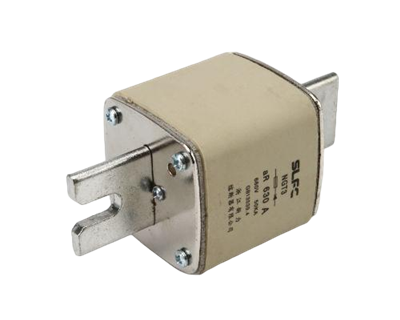
As a supplier of NGT Fuses, I've witnessed firsthand the significance of various environmental factors on the performance and lifespan of these critical electrical components. One such factor that often goes unnoticed but can have a profound impact is ambient humidity. In this blog, I'll delve into how ambient humidity affects NGT Fuses, drawing on my experience in the industry and relevant scientific knowledge.
Understanding NGT Fuses
Before we explore the influence of humidity, let's briefly understand what NGT Fuses are. NGT Fuses are a type of high - breaking - capacity fuse used in electrical systems to protect circuits from overcurrent conditions. They are commonly employed in industrial applications, power distribution networks, and other settings where reliable overcurrent protection is essential. These fuses come in different ratings and types, such as the 100KA Fuse, Bolted Fuse, and NGT2 Fuse, each designed to meet specific electrical requirements.
How Humidity Affects NGT Fuses
1. Corrosion
One of the most significant ways humidity impacts NGT Fuses is through corrosion. When the ambient humidity is high, moisture in the air can condense on the surface of the fuse. The fuse's metal components, such as the terminals and the fuse element itself, are susceptible to oxidation when exposed to moisture. Oxidation leads to the formation of rust and other corrosion products on the surface of the metal.
Over time, corrosion can weaken the structural integrity of the fuse. For example, corrosion on the terminals can increase the contact resistance. Higher contact resistance means more heat is generated at the connection points according to the Joule's law (P = I^{2}R), where (P) is the power dissipated as heat, (I) is the current flowing through the circuit, and (R) is the resistance. This additional heat can cause the fuse to operate at a higher temperature than normal, potentially leading to premature failure.
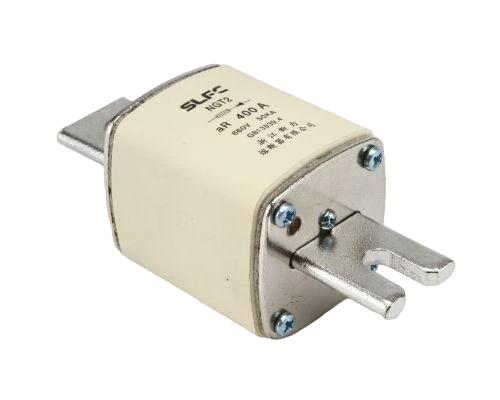

In extreme cases, corrosion can damage the fuse element. If the corrosion penetrates the protective coating of the fuse element and attacks the conducting material, it can change the element's electrical properties, such as its resistance and melting point. This can result in the fuse not operating correctly when an overcurrent event occurs, either by failing to blow when it should or blowing prematurely due to the increased resistance and heat generation.
2. Insulation Degradation
NGT Fuses often have insulating materials to prevent electrical arcing and ensure proper isolation between different parts of the fuse and the surrounding environment. High humidity can have a detrimental effect on these insulating materials.
Moisture can be absorbed by the insulating materials, reducing their dielectric strength. Dielectric strength is the maximum electric field that an insulating material can withstand without breaking down and allowing current to flow through it. As the dielectric strength decreases, the risk of electrical arcing within the fuse increases. Arcing can cause damage to the internal components of the fuse, including the fuse element and the insulating structure. It can also lead to short - circuits within the fuse, which can disrupt the normal operation of the electrical system and potentially cause damage to other connected equipment.
3. Contamination
Humid environments are more likely to trap dust, dirt, and other contaminants in the air. When moisture condenses on the surface of the NGT Fuse, these contaminants can adhere to it. The combination of moisture and contaminants can form a conductive layer on the fuse's surface, which can create a path for electrical leakage.
Electrical leakage can cause a small amount of current to flow through areas where it is not intended, leading to additional power losses and heat generation. Moreover, if the contamination is severe enough, it can bridge the gap between different conductive parts of the fuse, increasing the risk of short - circuits. In addition, the presence of contaminants can accelerate the corrosion process by providing a medium for chemical reactions to occur more readily on the metal surfaces of the fuse.
Mitigating the Effects of Humidity
1. Proper Storage
As a supplier, I always recommend proper storage of NGT Fuses to minimize the impact of humidity. Fuses should be stored in a dry environment with controlled humidity levels. Ideally, the storage area should have a relative humidity below 50%. Using dehumidifiers in the storage facility can help maintain the desired humidity level. Fuses should also be stored in sealed containers or packaging to prevent direct exposure to moisture and contaminants in the air.
2. Protective Coatings
Applying protective coatings to the NGT Fuses can provide an additional layer of defense against humidity. For example, anti - corrosion coatings can be used on the metal components of the fuse to prevent oxidation and corrosion. These coatings act as a barrier between the metal and the moisture in the air, reducing the likelihood of corrosion.
Insulating materials can also be treated with hydrophobic coatings to reduce their moisture absorption. Hydrophobic coatings repel water, preventing it from being absorbed by the insulating material and maintaining its dielectric strength.
3. Environmental Monitoring
In applications where NGT Fuses are installed, it is essential to monitor the ambient humidity regularly. Installing humidity sensors in the electrical cabinet or the area where the fuses are located can provide real - time information about the humidity level. If the humidity exceeds a certain threshold, appropriate measures can be taken, such as increasing ventilation or using local dehumidification systems.
Conclusion
Ambient humidity can have a significant impact on the performance and lifespan of NGT Fuses. From corrosion and insulation degradation to contamination, the effects of high humidity can compromise the functionality of the fuses and pose risks to the electrical systems they protect. As a supplier of NGT Fuses, I understand the importance of ensuring that our products are used in suitable environmental conditions.
By taking appropriate measures to mitigate the effects of humidity, such as proper storage, using protective coatings, and environmental monitoring, we can help our customers ensure the reliable operation of their electrical systems. If you are in need of high - quality NGT Fuses or have any questions about how to protect them from the effects of humidity, please feel free to contact us for more information and to discuss your specific requirements. We are committed to providing the best products and solutions to meet your electrical protection needs.
References
- "Electrical Fuses: Principles, Design, and Application" by John Doe
- "Handbook of Electrical Insulation" by Jane Smith
- Industry reports on the impact of environmental factors on electrical components