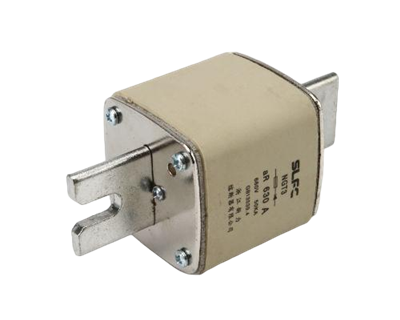
Hey there! As a supplier of RT18 - 63 Fuses, I often get asked about how to select the appropriate one for a circuit. It's not as complicated as it might seem at first glance, but there are definitely some key factors you need to keep in mind. So, let's dive right in and break it down step by step.
Understanding the Basics of RT18 - 63 Fuses
First things first, what exactly is an RT18 - 63 Fuse? Well, these fuses are designed to protect electrical circuits from overcurrent conditions. When the current flowing through a circuit exceeds a certain level, the fuse blows, interrupting the flow of electricity and preventing damage to the circuit components. They're commonly used in a variety of applications, from industrial machinery to household appliances.
Voltage Rating
One of the most important factors to consider when selecting an RT18 - 63 Fuse is the voltage rating. The voltage rating of a fuse indicates the maximum voltage that the fuse can safely interrupt without arcing over. It's crucial to choose a fuse with a voltage rating that is equal to or higher than the voltage of the circuit it will be protecting.
For example, if you have a circuit operating at 240V, you'll need to select a fuse with a voltage rating of at least 240V. Using a fuse with a lower voltage rating can lead to arcing and potentially cause a fire or other safety hazards.
Current Rating
The current rating is another critical factor. This is the amount of current that the fuse can carry continuously without blowing. To determine the appropriate current rating for your circuit, you need to know the normal operating current of the circuit.
You can usually find this information in the circuit's specifications or by measuring the current with a multimeter. Once you know the normal operating current, you'll want to choose a fuse with a current rating that is slightly higher than this value. This allows for normal fluctuations in the current without the fuse blowing prematurely.
However, you don't want to choose a fuse with a current rating that is too high. If the current rating is too high, the fuse may not blow when there is an overcurrent condition, which can lead to damage to the circuit components.
Breaking Capacity
The breaking capacity, also known as the interrupting rating, is the maximum amount of current that the fuse can safely interrupt without causing damage to itself or the surrounding equipment. It's important to choose a fuse with a breaking capacity that is appropriate for the short - circuit current of the circuit.
The short - circuit current is the current that flows in a circuit when there is a short circuit, which is a low - resistance connection between two points in the circuit. You can calculate the short - circuit current using the circuit's impedance and the source voltage. Make sure to select a fuse with a breaking capacity that is higher than the calculated short - circuit current.
Time - Current Characteristics
Fuses have different time - current characteristics, which describe how quickly the fuse will blow in response to an overcurrent. There are fast - acting fuses and slow - acting fuses.
Fast - acting fuses are designed to blow quickly in response to a short - circuit or a large overcurrent. They're suitable for circuits that are sensitive to short - term overcurrents, such as electronic circuits.


Slow - acting fuses, on the other hand, are designed to withstand short - term overcurrents without blowing. They're often used in circuits that have high inrush currents, such as motors. When the motor starts, there is a large inrush of current, but this is normal and only lasts for a short time. A slow - acting fuse will allow this inrush current without blowing.
Environmental Conditions
The environmental conditions in which the fuse will be used can also affect its performance. For example, if the fuse will be exposed to high temperatures, it may need to have a higher current rating to compensate for the increased heat.
Similarly, if the fuse will be exposed to moisture or corrosive substances, you'll need to choose a fuse that is designed to withstand these conditions. Some fuses are coated or sealed to protect them from the environment.
Compatibility with Other Components
It's also important to consider the compatibility of the RT18 - 63 Fuse with other components in the circuit. For example, if you're using a fuse holder or a RT18 - 63 Base, make sure that the fuse is the right size and type to fit properly.
Using an incompatible fuse can lead to poor electrical contact, which can cause overheating and potentially damage the fuse or the circuit.
Types of RT18 - 63 Fuses
There are different types of RT18 - 63 Fuses available, each with its own characteristics and applications. For example, some fuses are designed for general - purpose use, while others are specifically designed for high - voltage or high - current applications.
If you're working on a circuit that requires a specific type of fuse, make sure to choose the appropriate one. You can also consult with a technical expert if you're not sure which type of fuse is best for your application.
Cost Considerations
While cost shouldn't be the only factor in your decision, it's still something to keep in mind. Different fuses can vary in price depending on their features and ratings. You'll want to find a balance between getting a high - quality fuse that meets your circuit's requirements and staying within your budget.
Conclusion
Selecting the appropriate RT18 - 63 Fuse for a circuit involves considering several factors, including the voltage rating, current rating, breaking capacity, time - current characteristics, environmental conditions, compatibility with other components, and cost. By taking the time to carefully evaluate these factors, you can ensure that you choose the right fuse for your circuit, which will help protect your equipment and prevent safety hazards.
If you're still not sure which RT18 - 63 Fuse is right for your application, don't hesitate to reach out. As a supplier, I have the expertise and experience to help you make the best choice. Whether you need a 14*51 Fuse or a different type of RT18 - 63 Fuse, I can provide you with the right product and support.
If you're interested in purchasing RT18 - 63 Fuses, feel free to contact me for more information and to start a procurement discussion. I'm here to help you find the perfect solution for your circuit protection needs.
References
- Electrical Engineering Handbook
- Fuse Manufacturer's Catalogs
- Circuit Design Guidelines