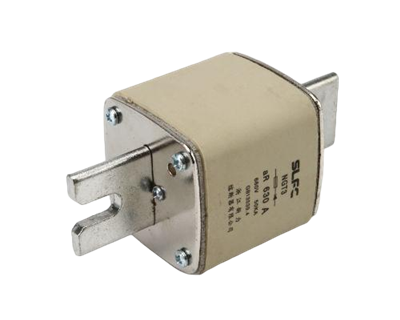
Hey there! As a supplier of GPV fuses, I've seen firsthand how important it is to store these little guys properly. In this blog, I'll share some tips on how to store GPV fuses correctly to ensure they work when you need them most.

Why Proper Storage Matters
First off, let's talk about why proper storage is a big deal. GPV fuses are crucial components in electrical systems, especially in solar power setups. They protect your equipment from overcurrent situations, preventing damage and potential safety hazards. If they're not stored correctly, their performance can degrade over time. For example, exposure to extreme temperatures, humidity, or contaminants can cause the fuse elements to corrode or the insulation to break down. This means that when an overcurrent event occurs, the fuse might not blow as it should, leaving your equipment at risk.
Ideal Storage Conditions
Temperature
Temperature plays a huge role in fuse storage. GPV fuses are designed to operate within a specific temperature range, and storing them outside of this range can have negative effects. Generally, it's best to store them in a cool, dry place. The ideal temperature range for most GPV fuses is between 20°C and 30°C (68°F and 86°F). Avoid storing them in areas that get too hot, like near heaters or in direct sunlight. High temperatures can cause the fuse material to expand and contract, which can lead to internal stress and eventually affect its performance. On the other hand, extremely cold temperatures can make the fuse elements brittle, increasing the risk of breakage.
Humidity
Humidity is another factor to watch out for. High humidity can cause moisture to accumulate on the fuse, leading to corrosion. Corrosion can damage the fuse's contacts and the element itself, reducing its effectiveness. Aim to keep the relative humidity in the storage area below 60%. You can use dehumidifiers in areas where humidity tends to be high, especially in basements or coastal regions.
Contaminants
Keep the storage area clean and free from contaminants. Dust, dirt, and chemicals can all have a negative impact on the fuses. For example, dust can accumulate on the fuse and interfere with its electrical conductivity. Chemicals, such as solvents or cleaning agents, can corrode the fuse's materials. Make sure the storage area is well - ventilated to prevent the buildup of harmful fumes.
Storage Containers
Sealed Containers
Using sealed containers is a great way to protect your GPV fuses. They can keep out dust, moisture, and contaminants. You can use plastic storage boxes with tight - fitting lids. Make sure the containers are made of a non - reactive material, so they don't interact with the fuses. Label the containers clearly with the type, rating, and quantity of the fuses inside. This will make it easier to find the right fuse when you need it.
Anti - Static Bags
If you're dealing with sensitive GPV fuses, consider using anti - static bags. These bags can prevent static electricity from damaging the fuses. Static electricity can cause sudden discharges that might affect the fuse's internal components. Anti - static bags are especially important if you're transporting or handling the fuses frequently.
Organization
Categorization
Organize your fuses by type and rating. This will make it much easier to find the right fuse when you need it. For example, you can group all the 1A fuses together, then the 2A fuses, and so on. You can also separate them based on the application, such as solar PV fuses for different voltage levels.
Inventory Management
Keep an inventory of your fuses. This will help you keep track of how many you have, when you last used them, and when you need to reorder. You can use a simple spreadsheet or a more advanced inventory management system. Regularly check your inventory to make sure you have an adequate supply of fuses on hand.
Special Considerations for Different Fuse Types
500VDC 1A 2A 3A 4A 5A 6A 8A 10A 12A 15A 20A 25A 30A Solar PV Fuse
These solar PV fuses are designed for use in solar power systems. They need to be stored in a way that protects them from the unique conditions associated with solar installations. Since they're often used in outdoor or semi - outdoor environments, they should be stored in a way that mimics the conditions they'll face. Make sure they're protected from UV radiation, as this can degrade the insulation over time.
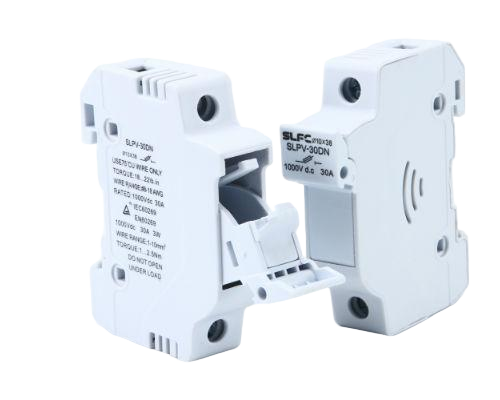
DC1000V TUV RoHS GPV Fuse Holder Base
The fuse holders also need proper storage. They should be stored in a way that protects their contacts from damage. Make sure they're not bent or deformed during storage. You can store them in separate containers or compartments to prevent them from getting tangled or damaged.
DC500V Solar Fuse Holder
Similar to the 1000V fuse holders, the DC500V solar fuse holders need to be stored carefully. Check for any signs of wear or damage before storage, and make sure they're clean and dry.
Conclusion
Proper storage of GPV fuses is essential for maintaining their performance and ensuring the safety of your electrical systems. By following these tips on temperature, humidity, storage containers, and organization, you can extend the lifespan of your fuses and keep them ready for use when you need them.
If you're in the market for high - quality GPV fuses, fuse holders, or have any questions about proper storage or usage, don't hesitate to reach out. We're here to help you with all your GPV fuse needs and can assist you in making the right choices for your electrical systems. Contact us for more information and to start a purchase negotiation.
References
- Electrical Safety Standards for Fuses, National Electrical Code
- Fuse Manufacturer's Guidelines for Storage and Handling