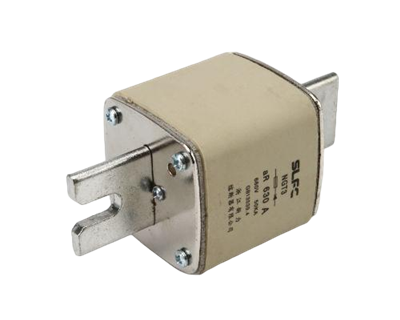
Hey there! As a 1000vdc fuse supplier, I've got a lot of insights to share about testing these high-voltage fuses. Testing a 1000vdc fuse is no joke; it's crucial for safety and proper system operation, especially in applications like solar power systems.
First off, let's understand why testing a 1000vdc fuse is so important. In high-voltage DC circuits, fuses act as the last line of defense. They're designed to break the circuit when the current exceeds a safe level, preventing damage to equipment and potential safety hazards like fires or electrical shocks. A faulty fuse can't do its job, which is why regular testing is a must.
Safety First
Before you start testing, safety comes first. Working with 1000 volts DC is extremely dangerous. I can't stress this enough - you need to wear the right personal protective equipment (PPE). That means insulated gloves, safety glasses, and flame-resistant clothing. Make sure to work in a well-ventilated area too, as some tests might generate heat or small sparks.
Tools You'll Need
To test a 1000vdc fuse, you're going to need a few key tools. A high-voltage digital multimeter is a must. This tool can measure voltage, current, and resistance accurately at high voltages. You'll also need a fuse puller to safely remove the fuse from its holder without touching it directly. And of course, a test rig or a circuit breaker test set that can handle 1000vdc.
Visual Inspection
The first step in testing a 1000vdc fuse is a visual inspection. Take a good look at the fuse. Check for any signs of physical damage like cracks, burns, or melted parts. If you see any, it's a clear sign that the fuse is faulty and needs to be replaced. Sometimes, a blown fuse will have a visible break in the internal element. It might look like a thin wire inside the fuse has snapped.

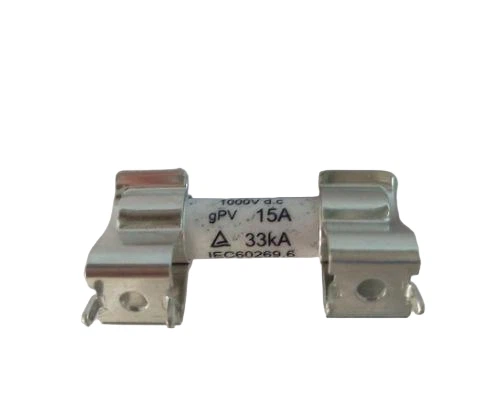
Continuity Testing
Once you've done the visual inspection, it's time for continuity testing. This is where the high-voltage digital multimeter comes in. Set the multimeter to the resistance (ohms) setting. Connect the probes to the two ends of the fuse. If the fuse is good, the multimeter should show a very low resistance, close to zero ohms. If the reading is infinite or very high, it means the fuse is blown and needs to be replaced.
Rated Current Testing
Another important test is the rated current testing. This test checks if the fuse can handle its rated current without blowing. You'll need a test rig for this. Connect the fuse to the test rig and gradually increase the current until it reaches the rated current of the fuse. The fuse should stay intact. If it blows before reaching the rated current, it's a faulty fuse.
Overcurrent Testing
Overcurrent testing is a bit more extreme. It's designed to check if the fuse will blow when the current exceeds its rated value. Again, use the test rig and gradually increase the current above the rated value. The fuse should blow within a certain time frame, depending on its specifications. If it doesn't blow or takes too long to blow, it's not working properly.
Testing in the Field
If you're testing a 1000vdc fuse in a real-world application, like a solar power system, there are a few extra things to keep in mind. First, make sure to isolate the circuit before testing the fuse. This means turning off all the power sources and discharging any capacitors in the circuit. You don't want to accidentally get electrocuted while testing the fuse.
When testing fuses in a solar system, you might need some specialized equipment. For example, Solar Fuse Clip can be very useful for safely removing and testing fuses in solar panels. And if you're dealing with DC circuits in solar installations, DC Fuse for Solar is a common type of fuse you'll encounter.
NH PV Fuse Testing
NH PV Fuse is another popular type of high-voltage DC fuse used in solar applications. Testing an NH PV fuse is similar to testing other 1000vdc fuses, but there are a few specific things to consider. These fuses are designed to handle high short-circuit currents, so make sure your test equipment can handle these high currents without getting damaged.
Using the Right Test Equipment
Using the right test equipment is crucial. Make sure your high-voltage digital multimeter and test rig are calibrated regularly. An uncalibrated meter can give inaccurate readings, which can lead to false conclusions about the condition of the fuse.
Troubleshooting
If you're getting unexpected test results, don't panic. There could be a few reasons for this. Maybe the test equipment is not working properly, or there could be a problem with the circuit itself. Double-check all your connections and make sure the test equipment is set up correctly. If you're still having trouble, it might be a good idea to consult with an expert.
Conclusion
Testing a 1000vdc fuse is an important task that requires careful attention to safety and the right testing procedures. By following the steps I've outlined in this blog, you can ensure that your fuses are working properly and your high-voltage DC circuits are safe.
If you're in the market for high-quality 1000vdc fuses, we're here to help. We offer a wide range of fuses that are designed to meet the highest standards of quality and safety. Whether you need fuses for solar power systems, industrial applications, or any other high-voltage DC circuit, we've got you covered. Contact us today to discuss your requirements and start a procurement洽谈.
References
- Electrical Safety Standards Handbook
- High-Voltage DC Circuit Testing Manual